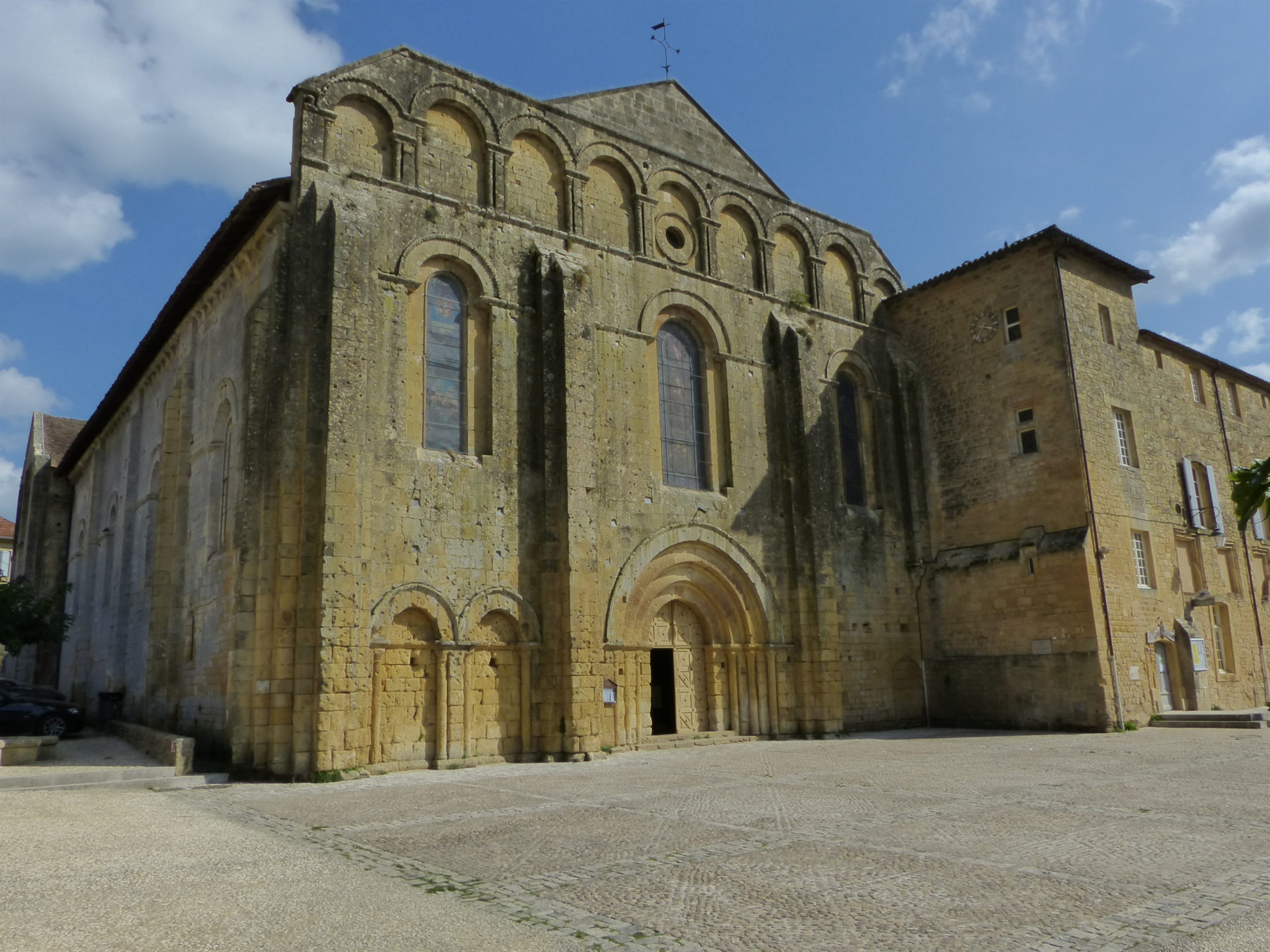
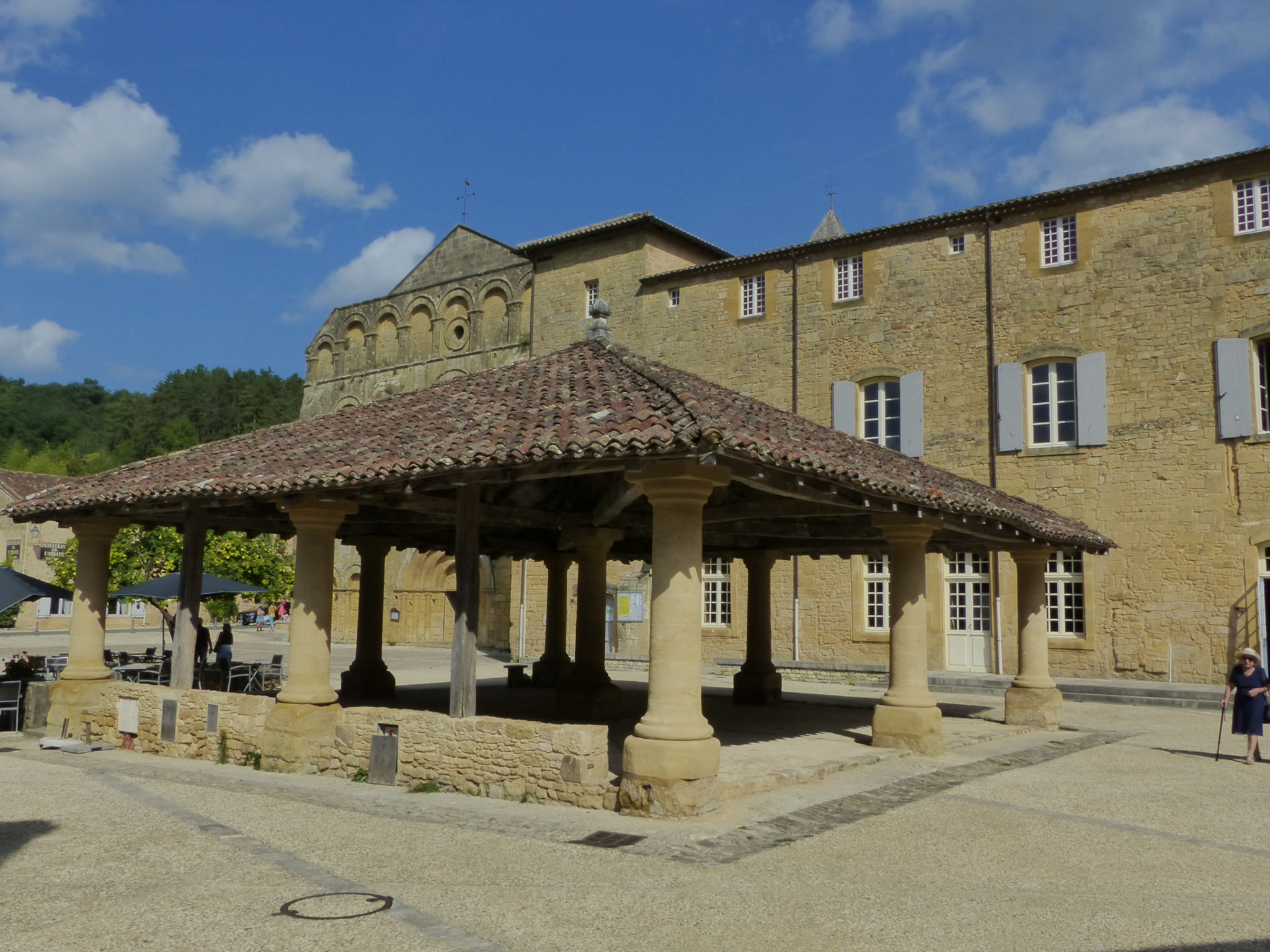
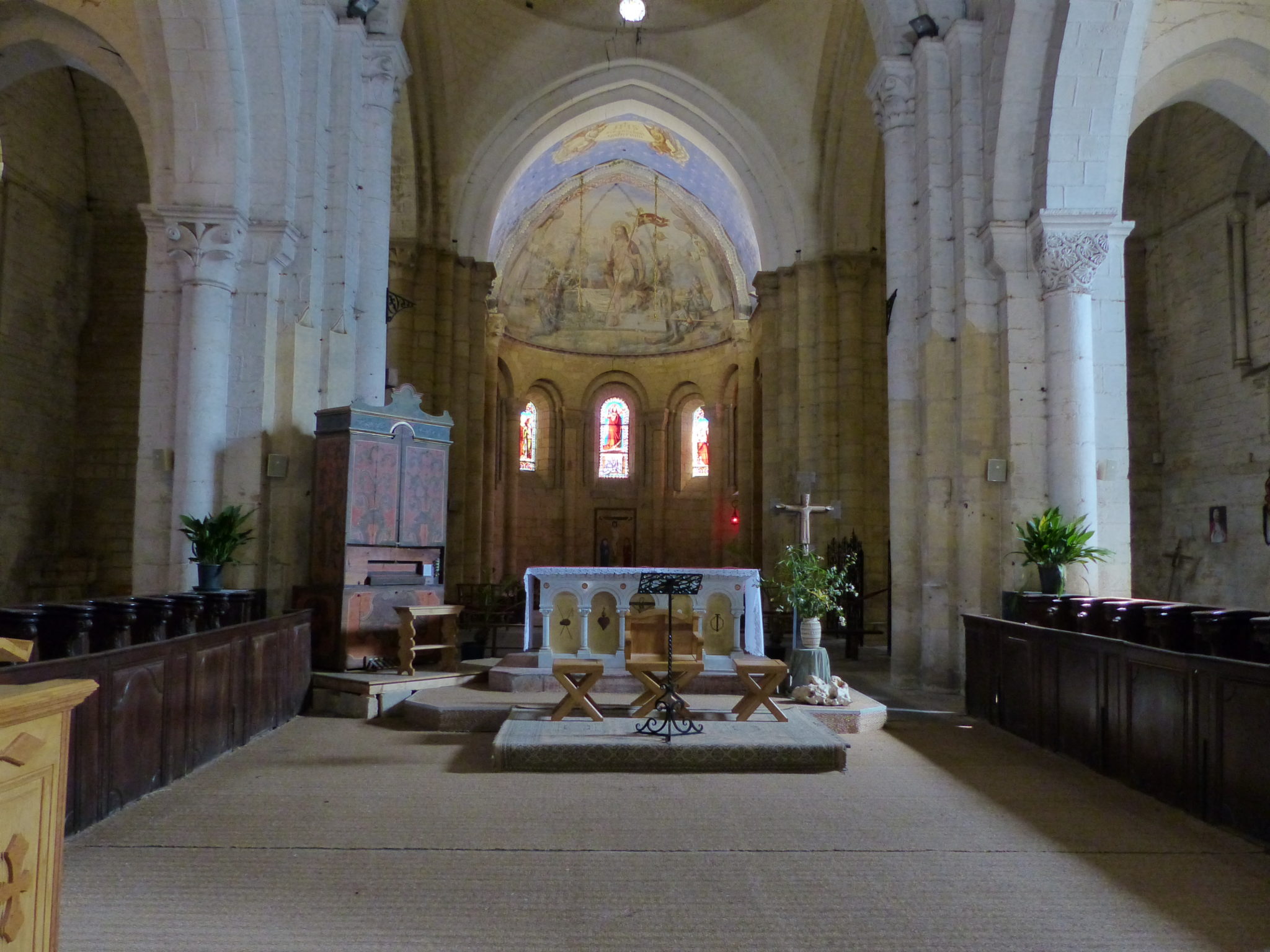
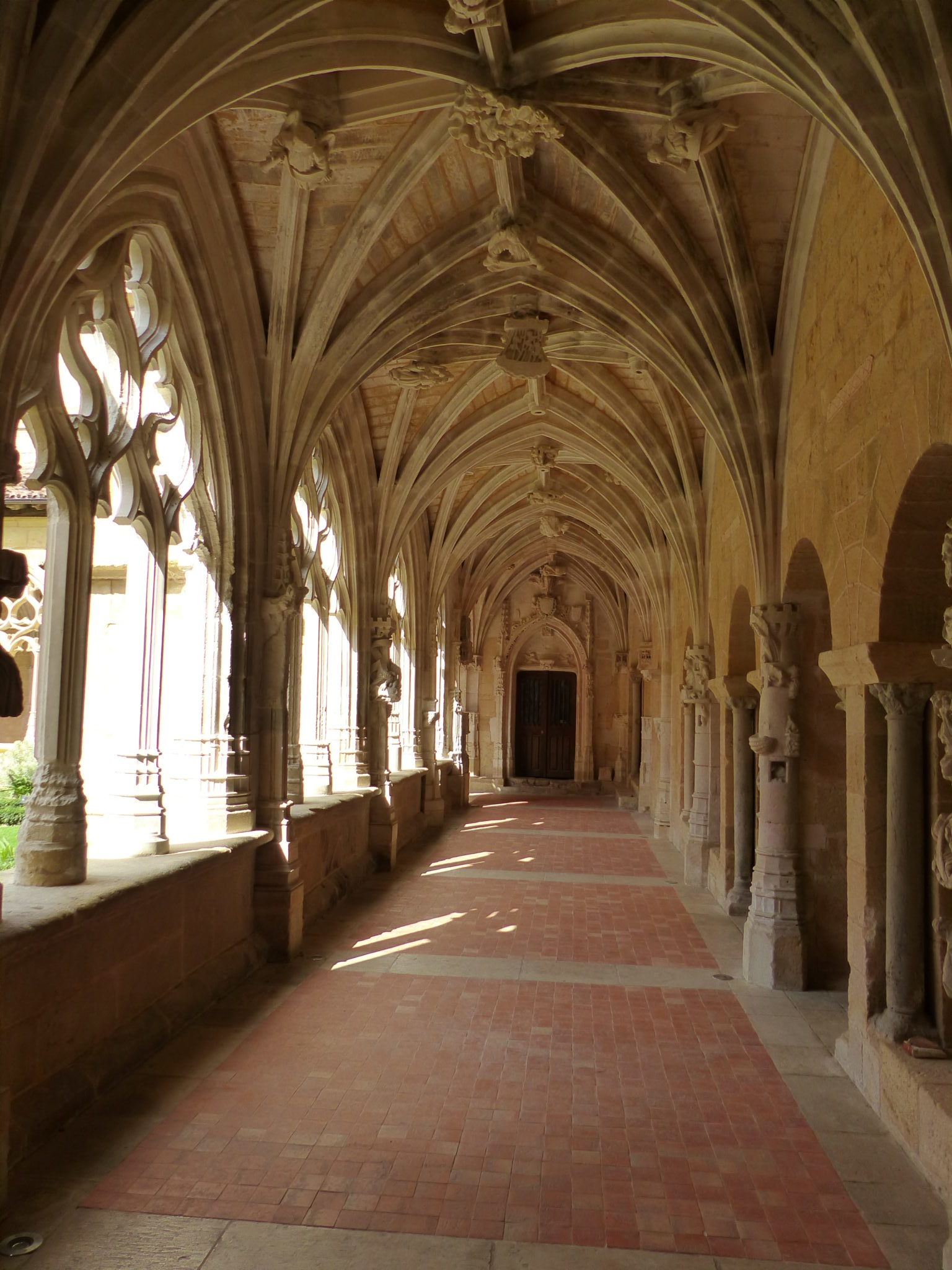
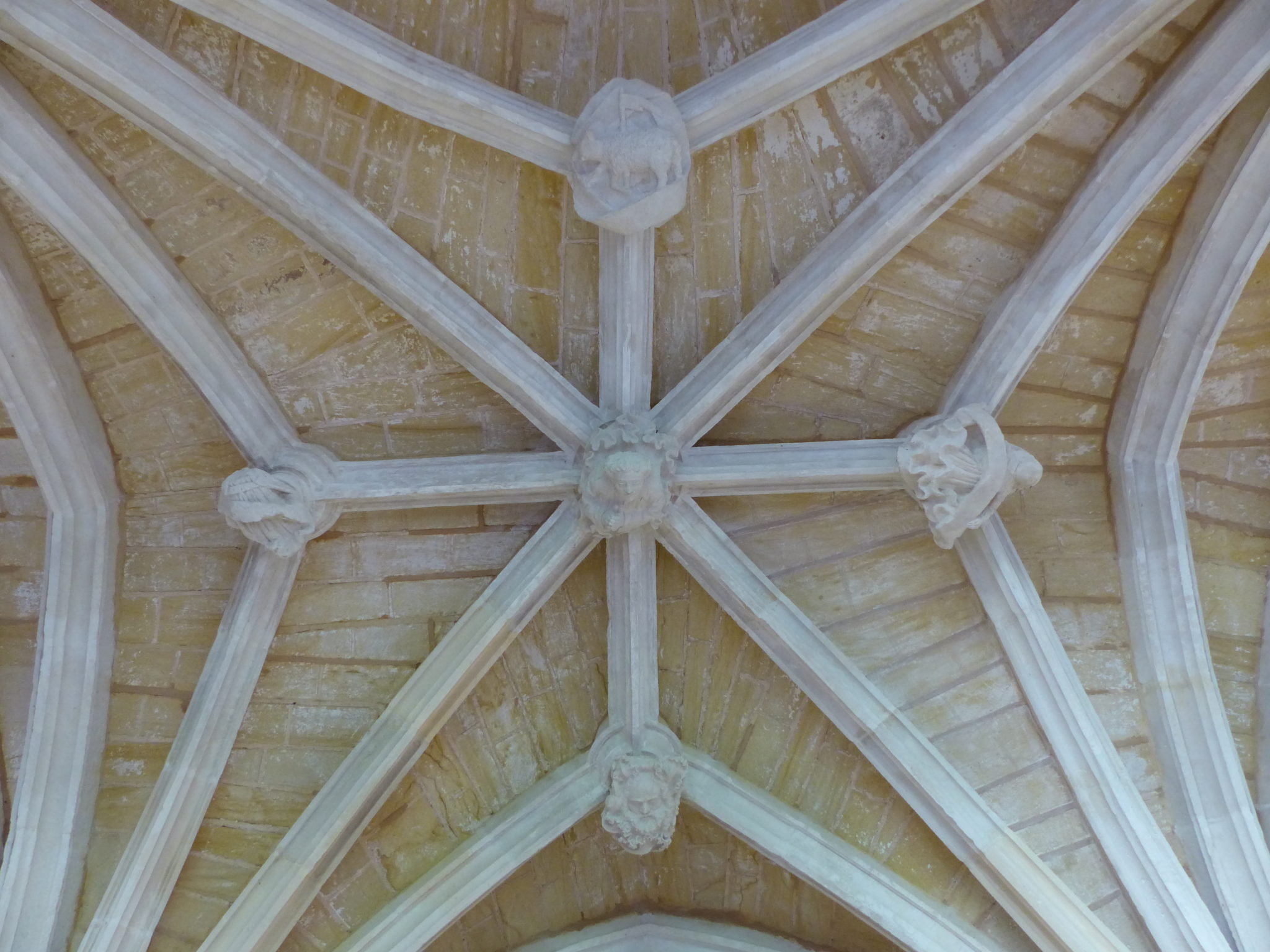
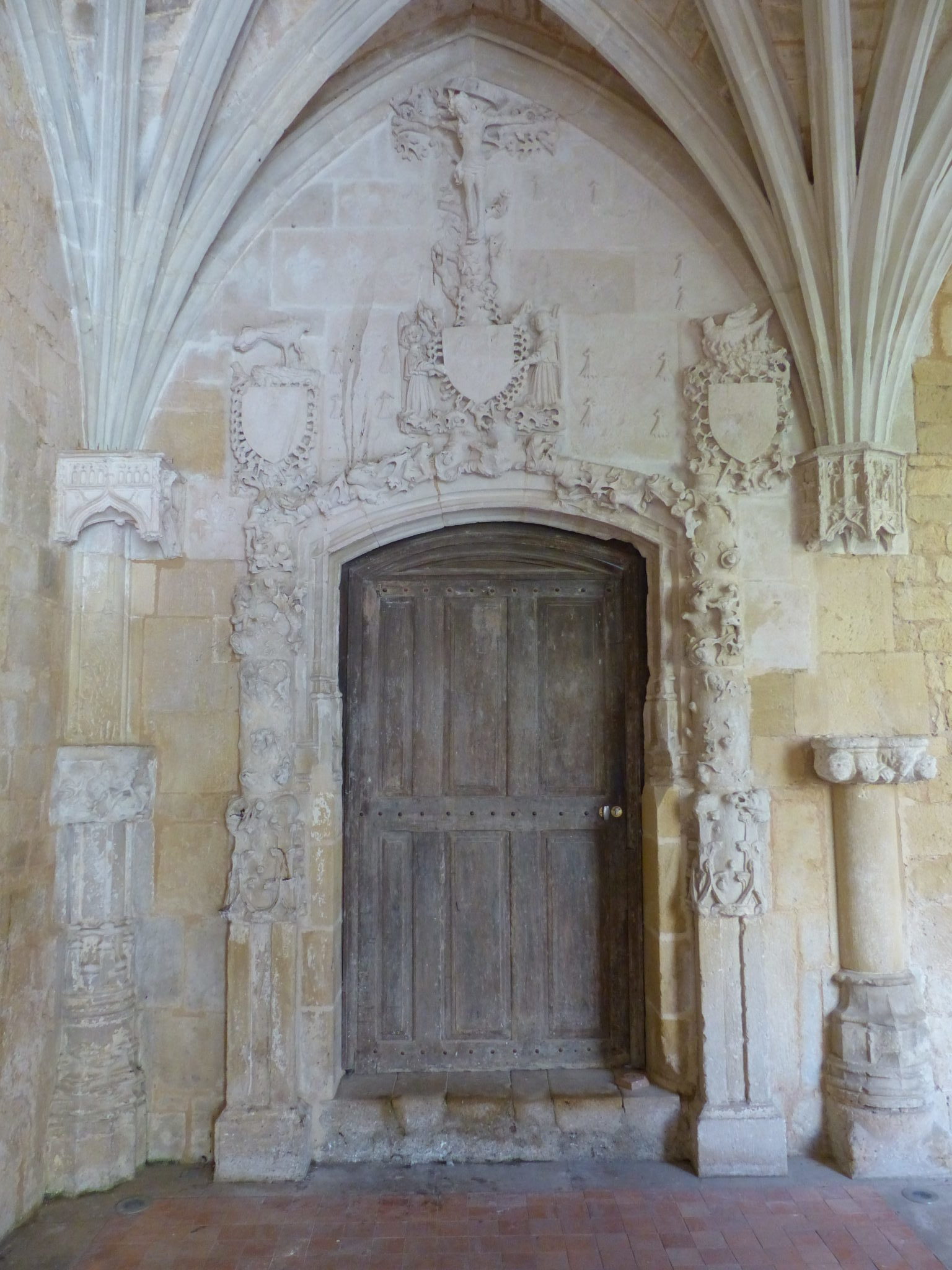
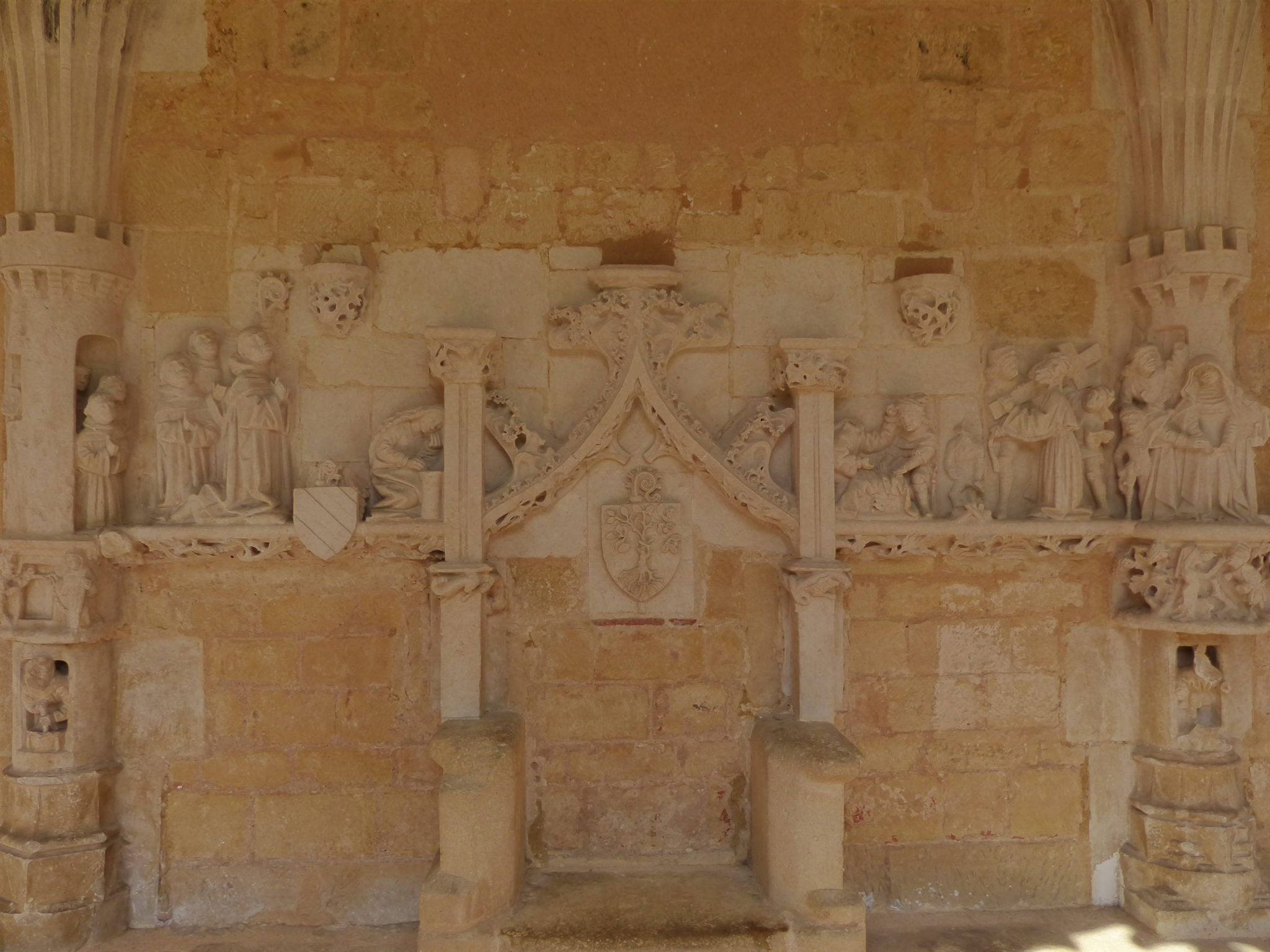
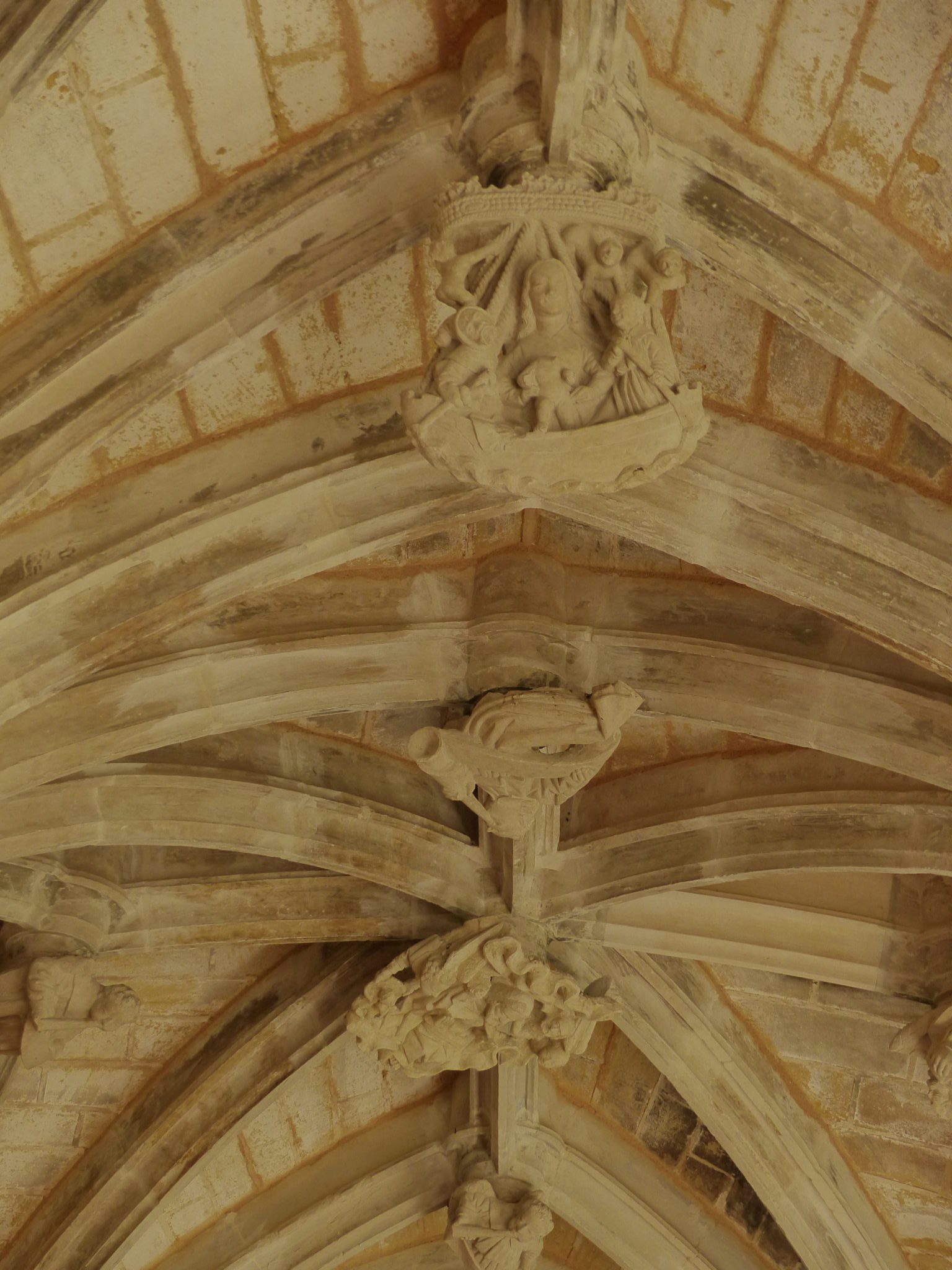
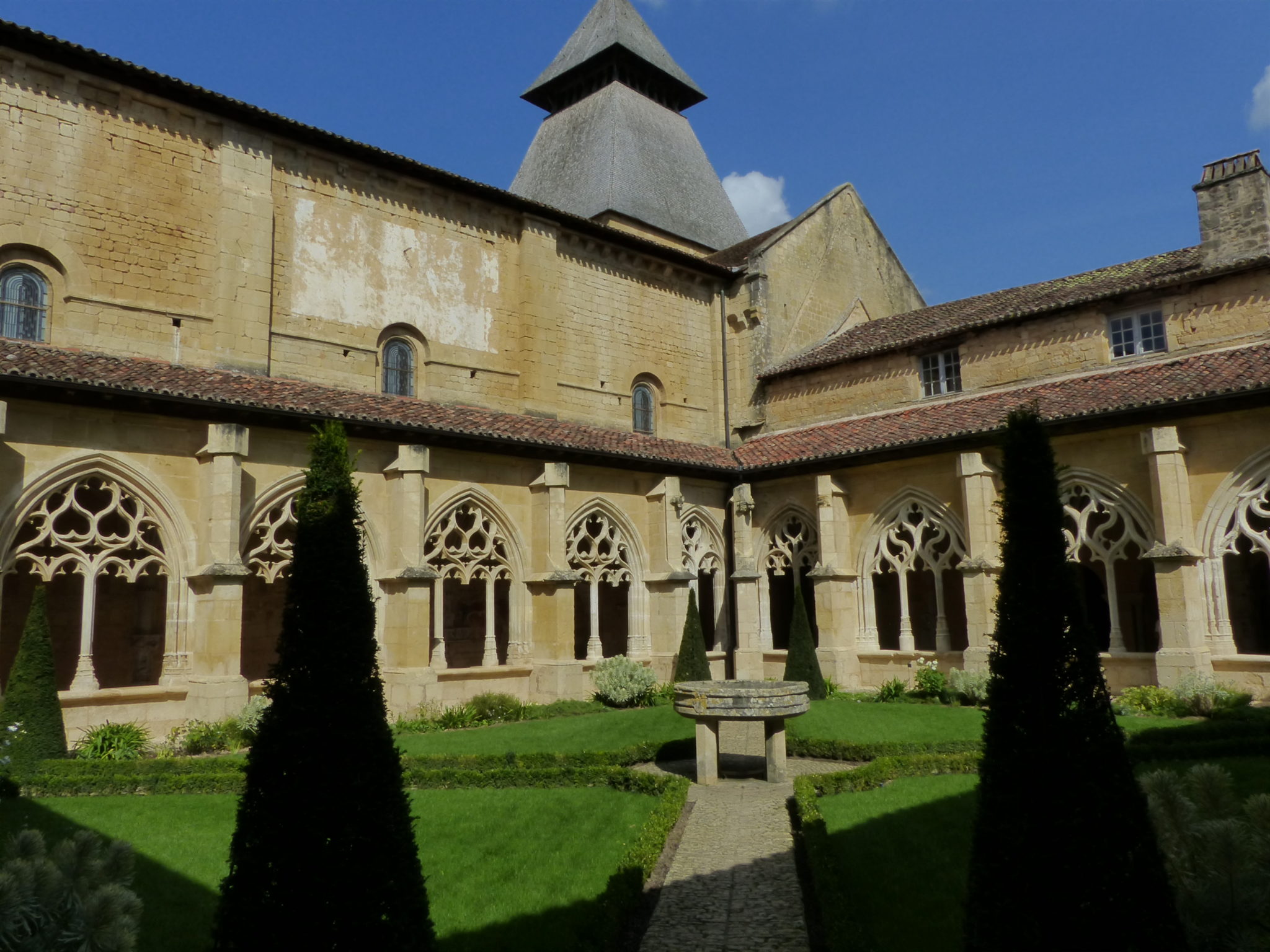
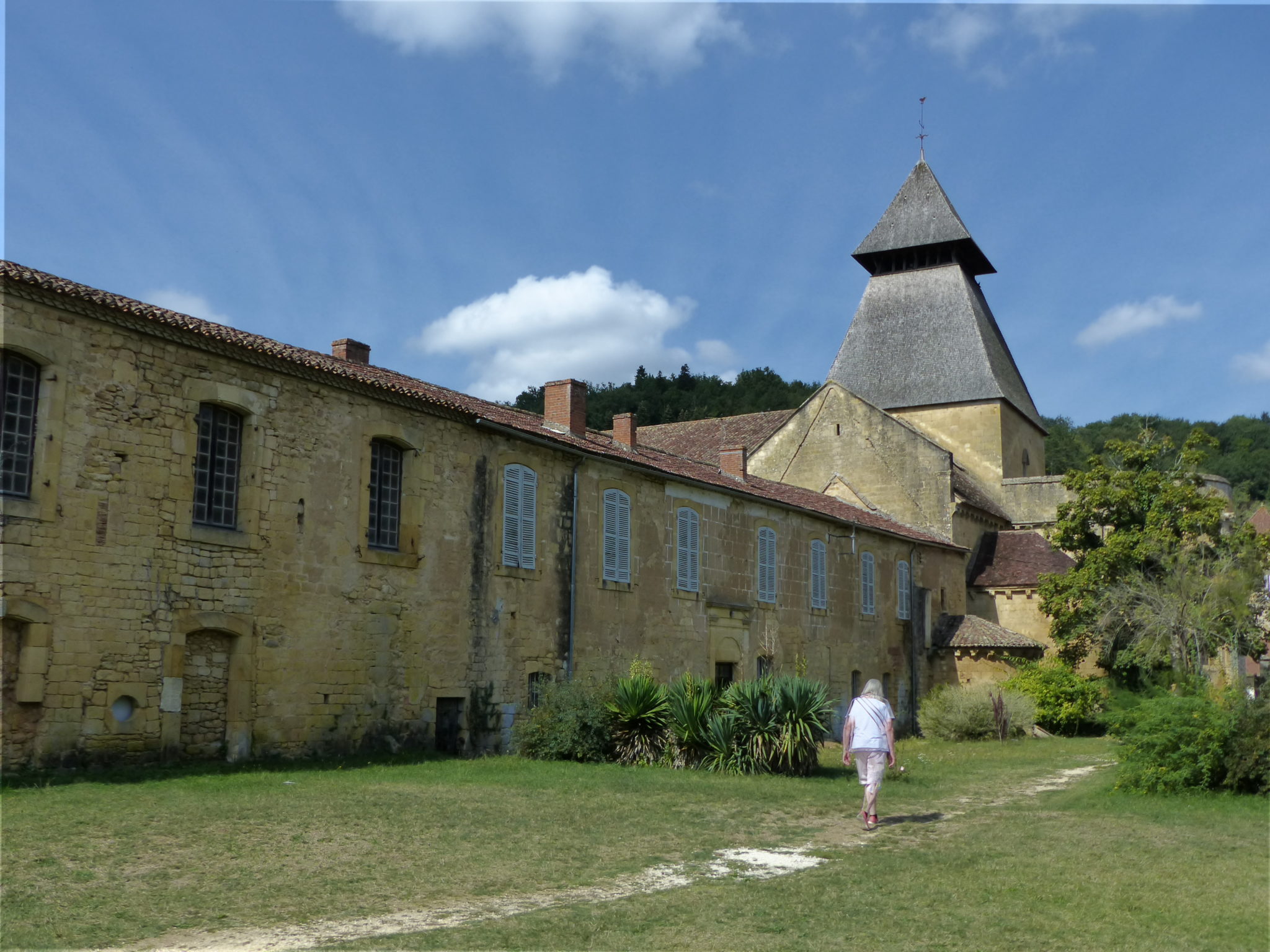
After reacquainting ourselves with Sarlat, we first headed for Cadouin Abbey in the south of the Périgord region. This is another Cistercian Abbey that is a UNESCO World Heritage Site. The Cistercian’s really built to last as so many of their monasteries have survived the wars and religious upheavals of the centuries. The church part of the abbey was consecrated in 1154 and one of the things that brought it to fame was the ‘Shroud of Cadouin’ which was believed to be the shroud from Christ’s head brought back after the first crusade. It made Cadouin a major pilgrimage site and aided its survival until 1934 when an expert evaluation revealed it to be a cloth produced around 1100 with Kufic characters referring to Allah and the caliph of Egypt! It’s still an important artifact and carefully preserved today. The abbey is an example of ‘high gothic’ design, reflected in some of the exceptional carved decoration in the cloister galleries and around the doors.
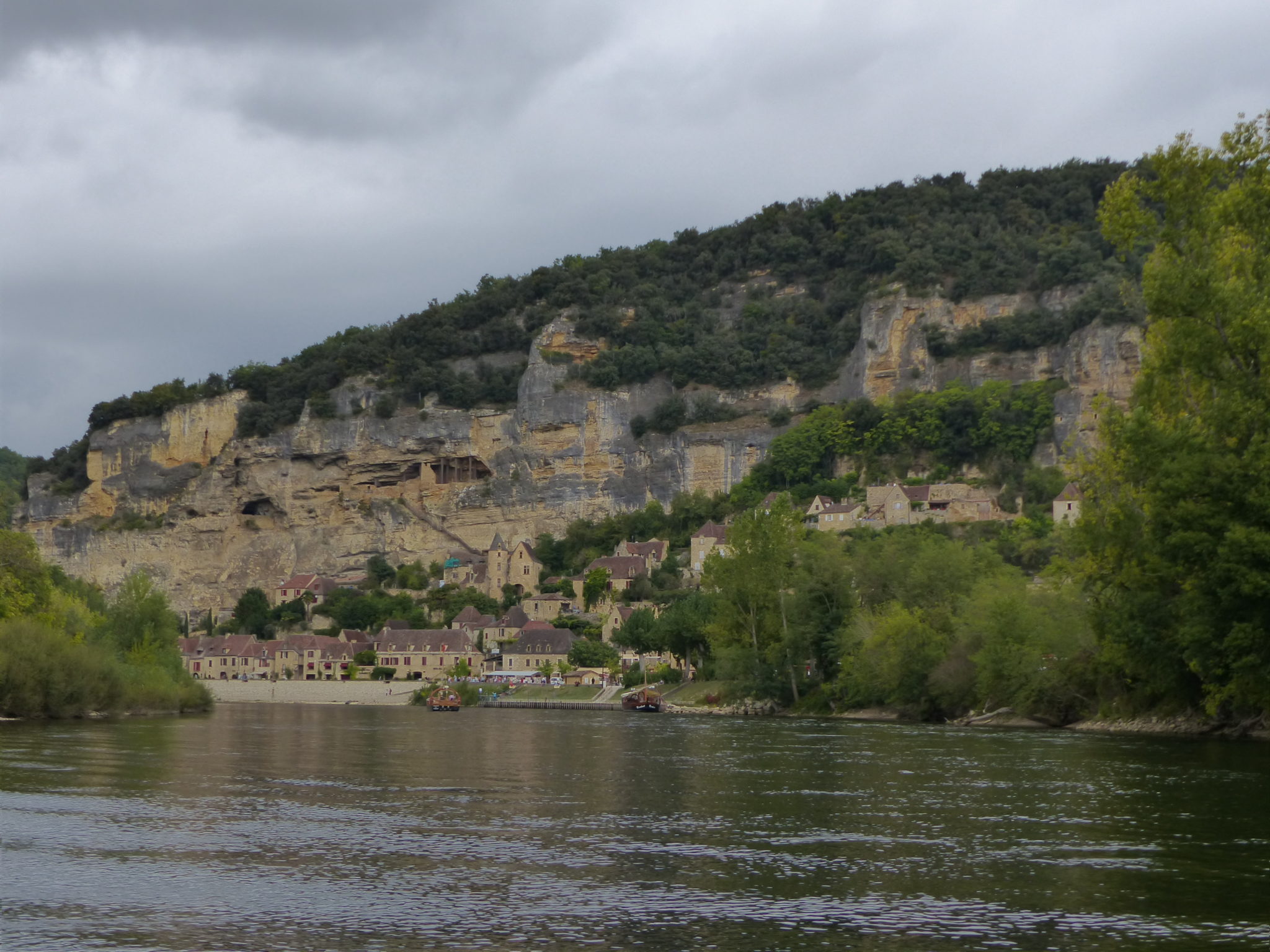
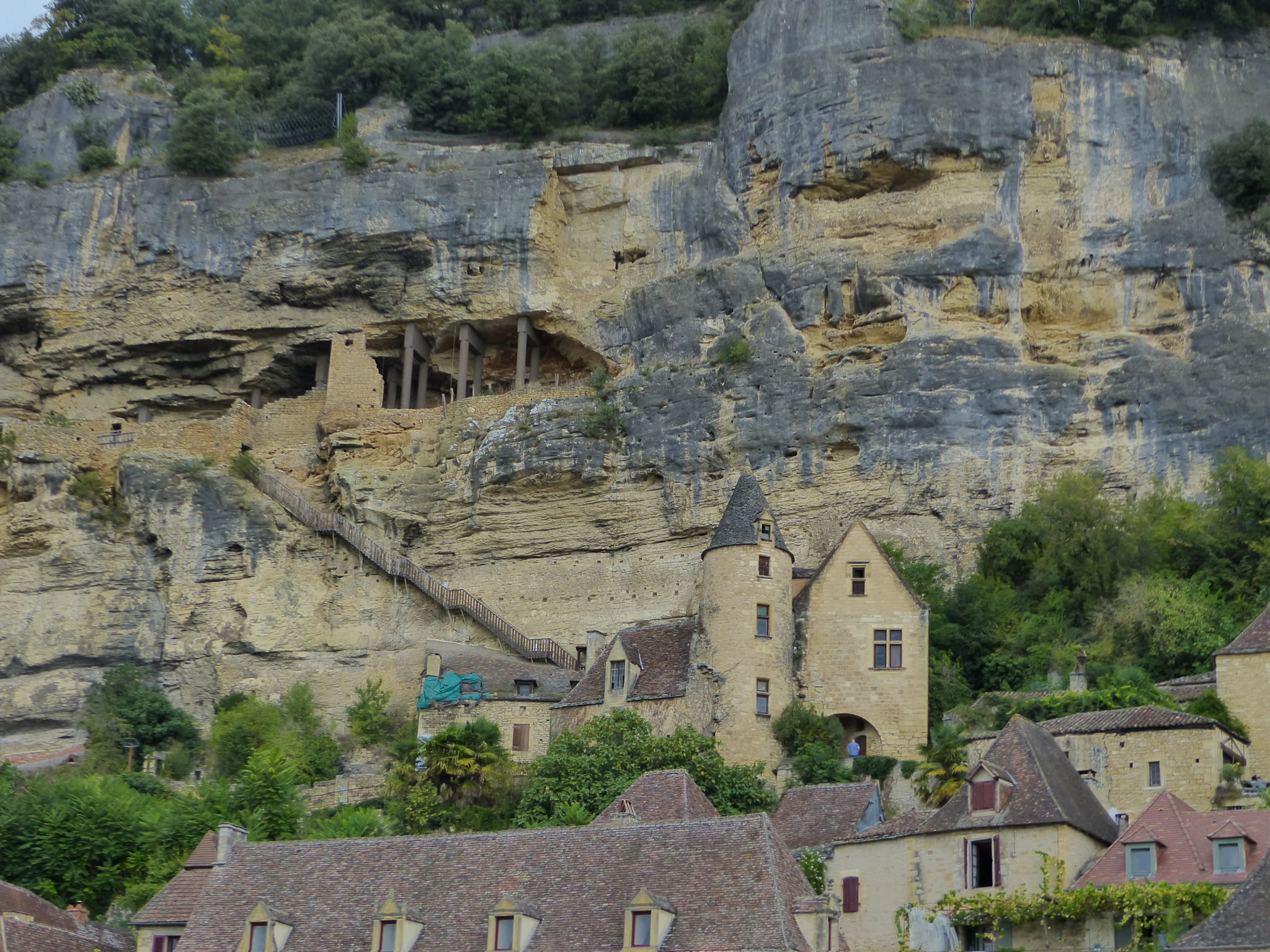
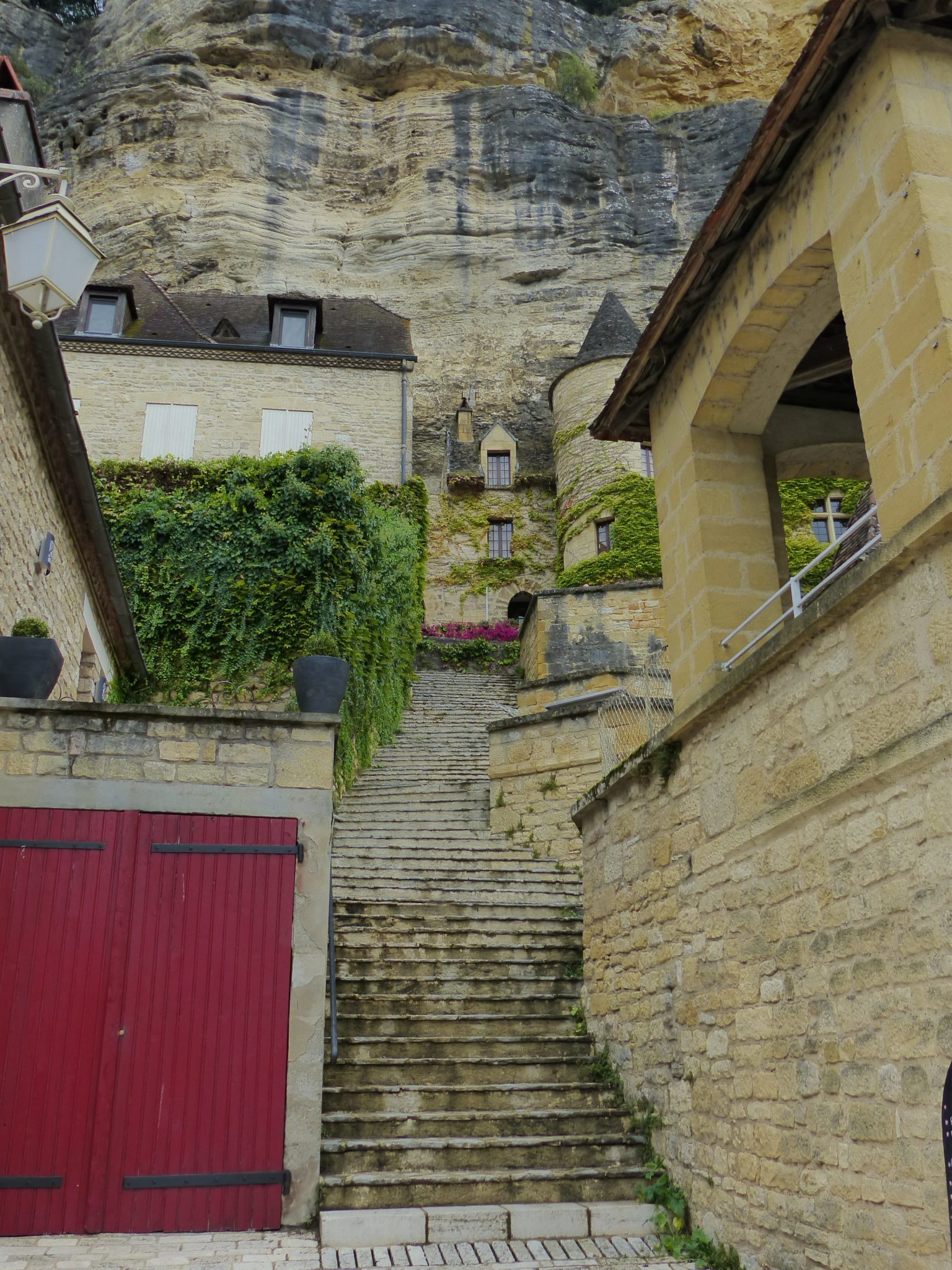
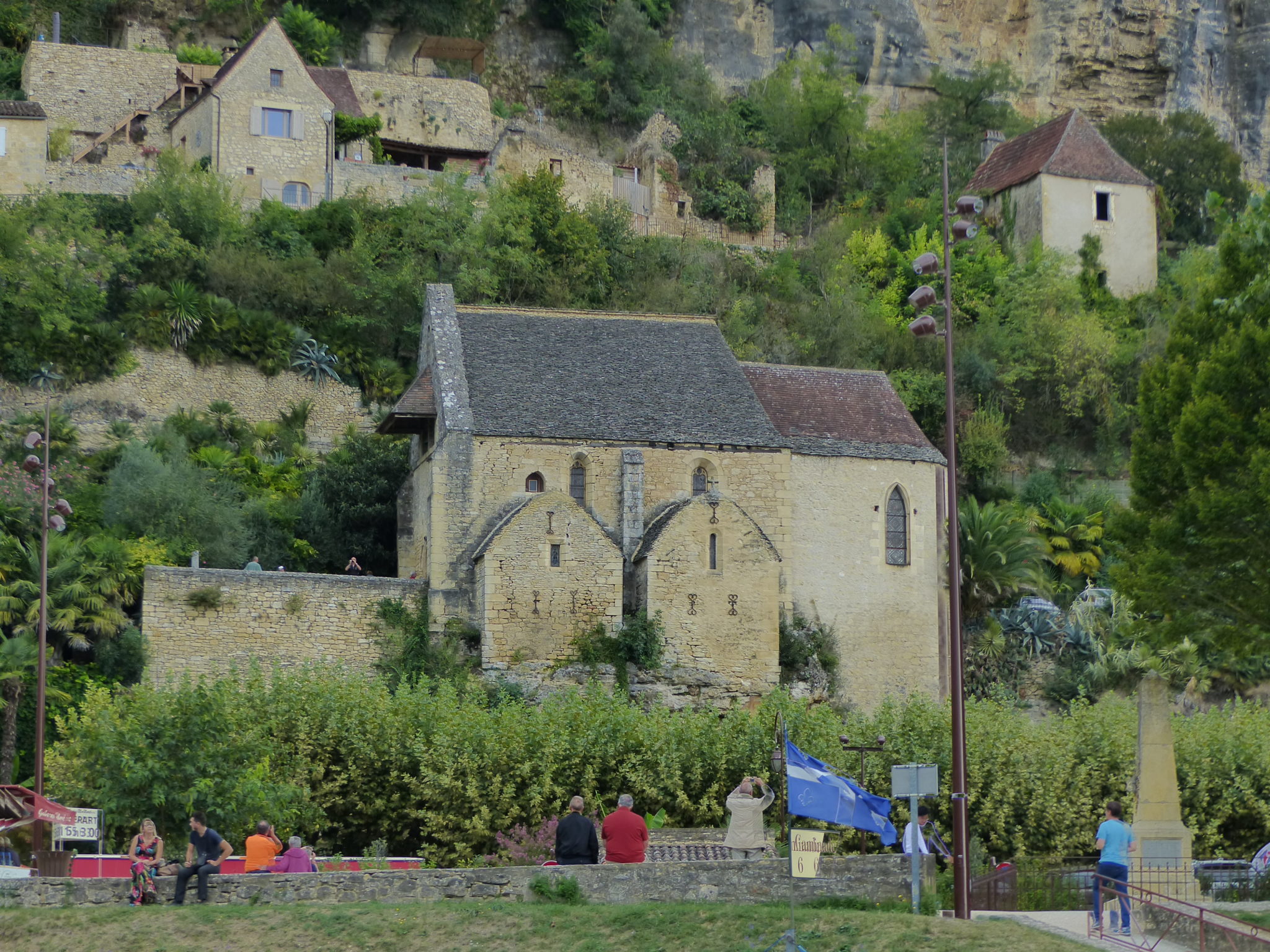
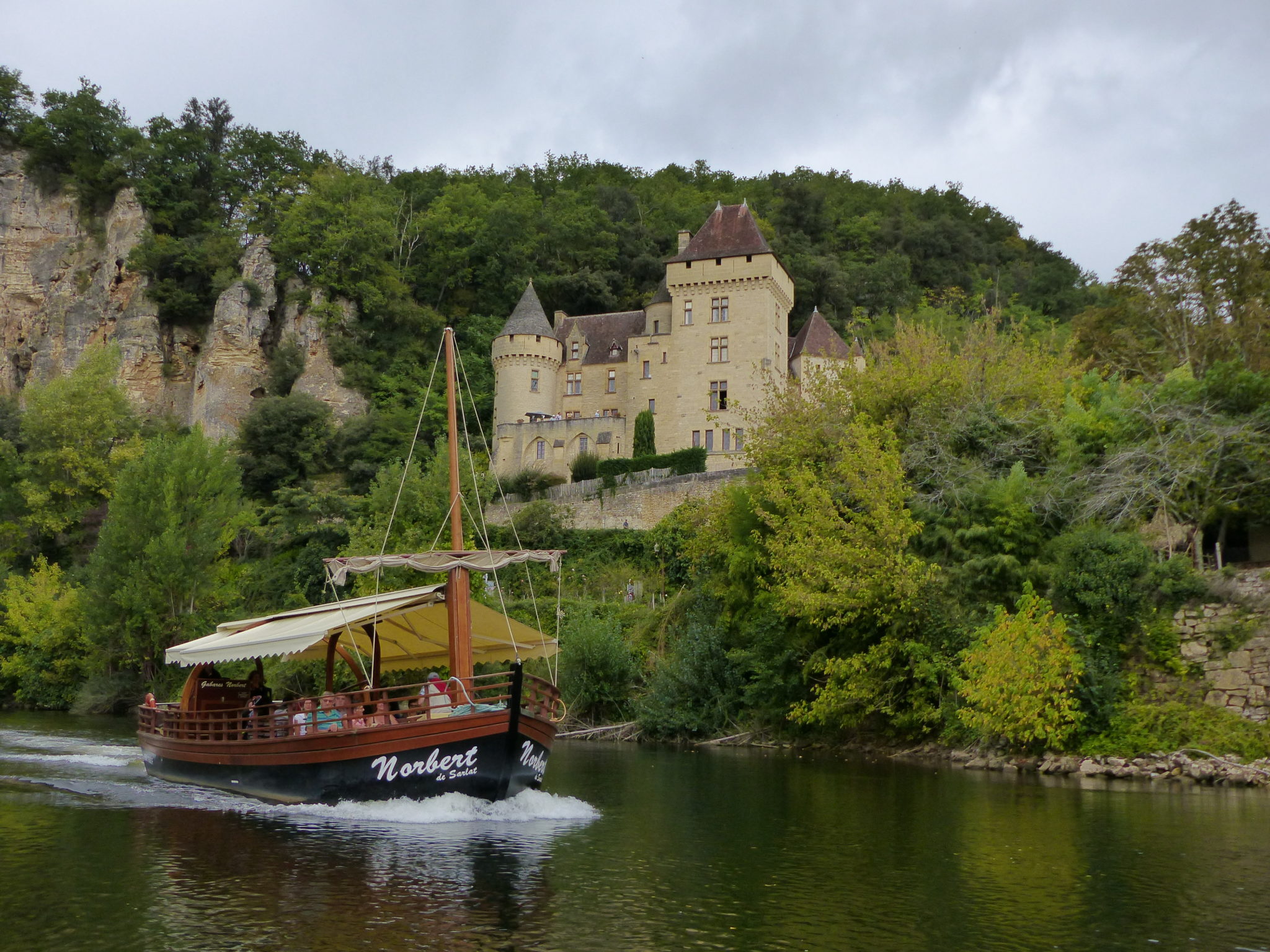
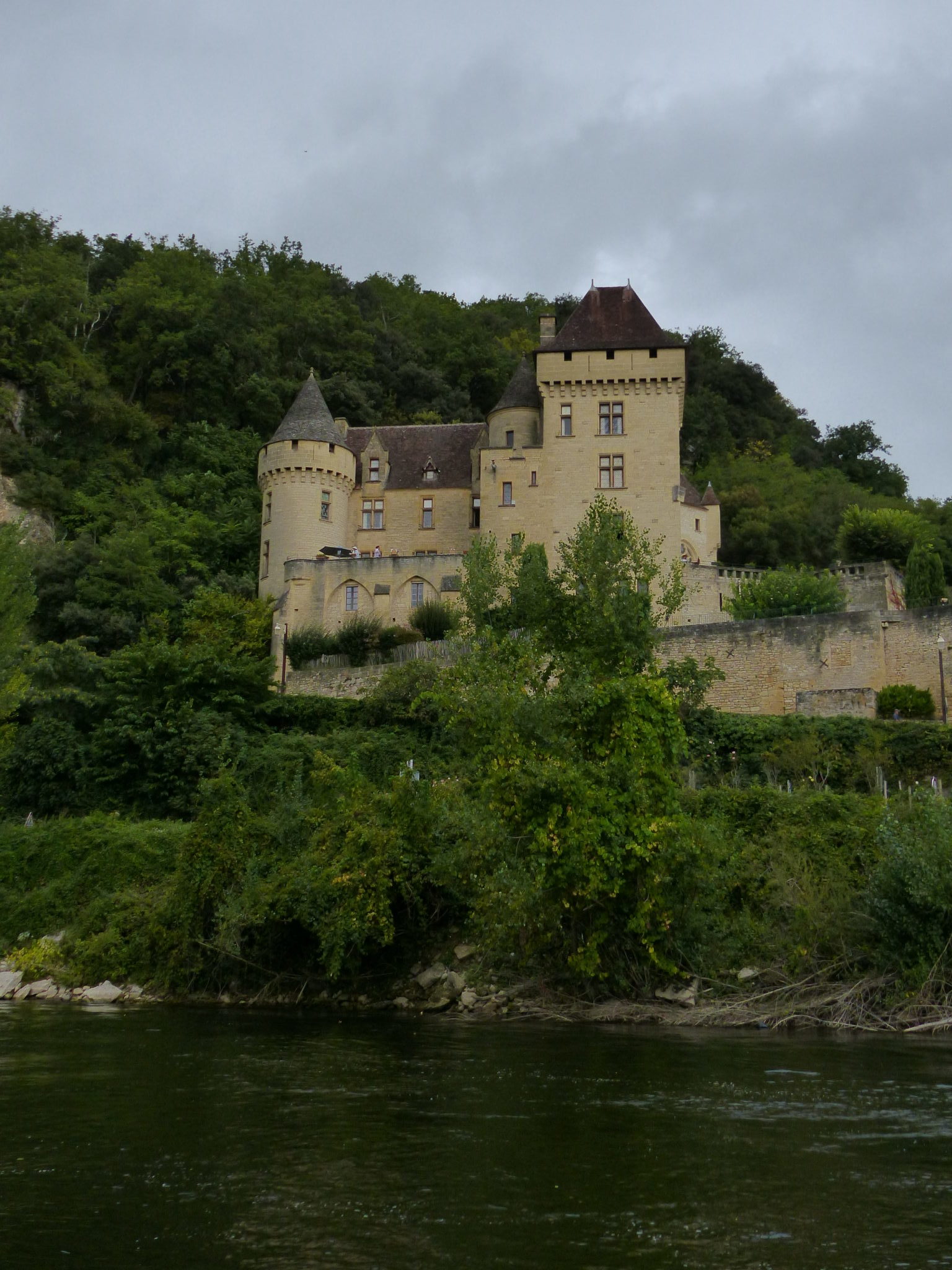
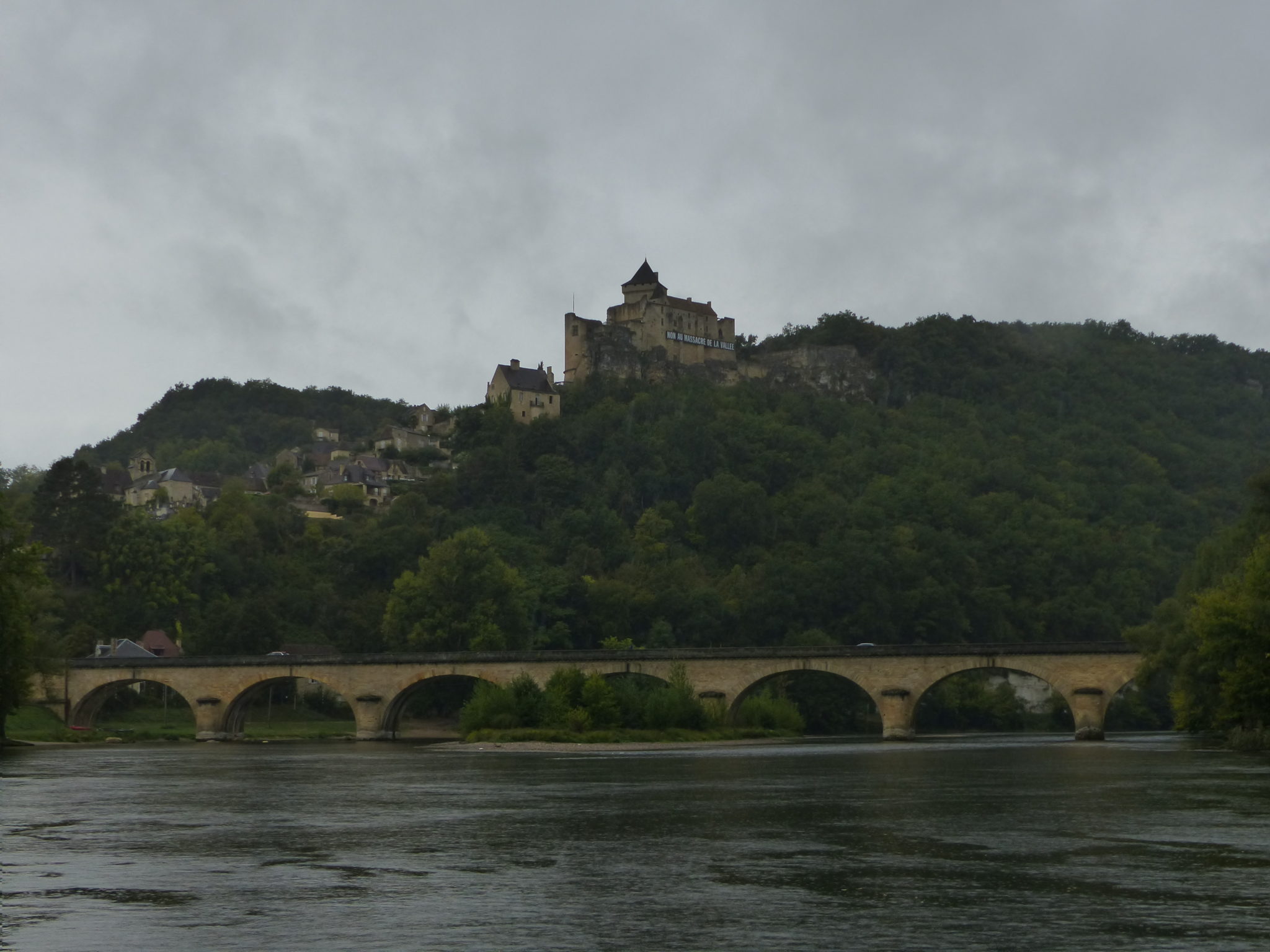
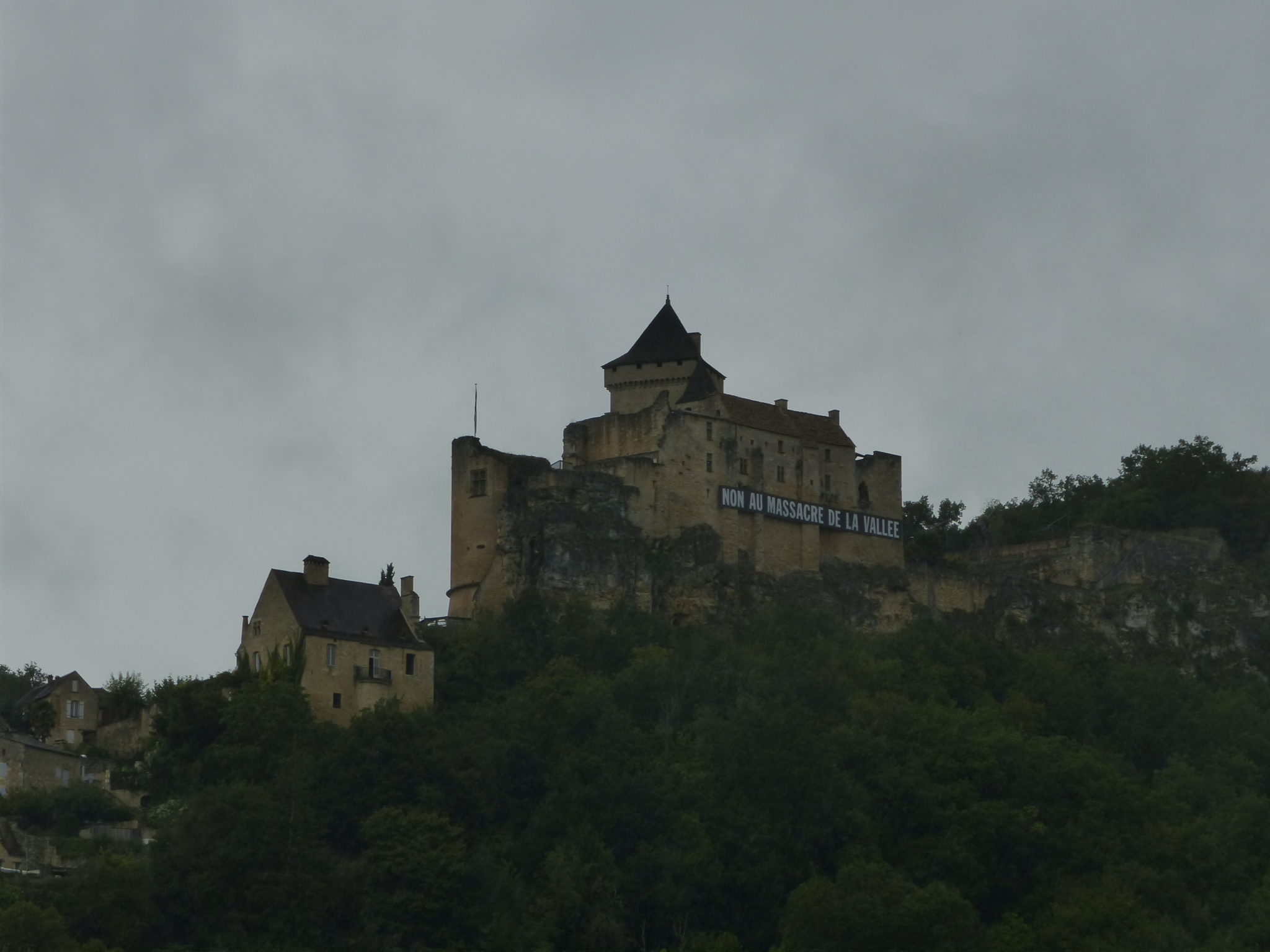
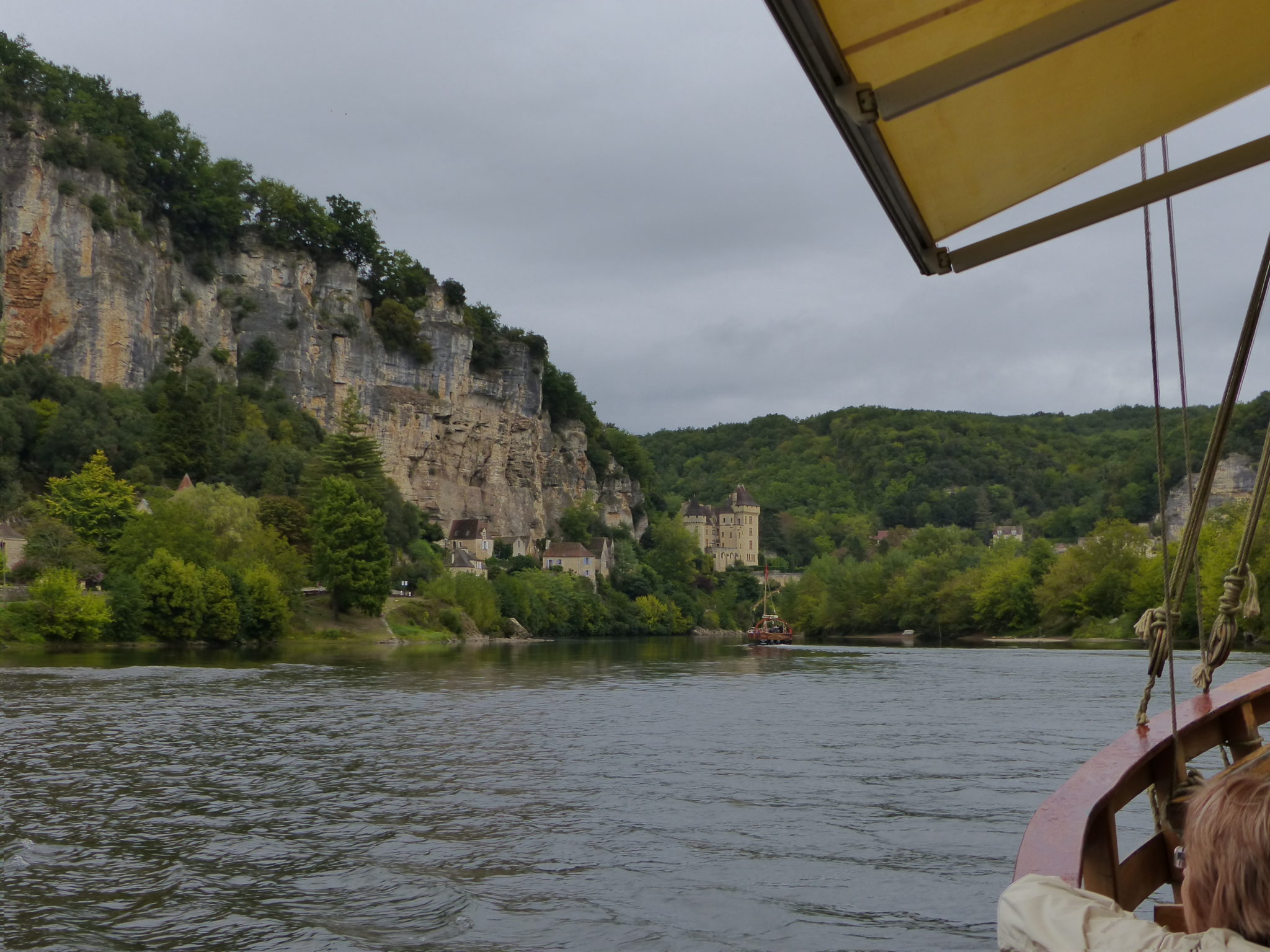
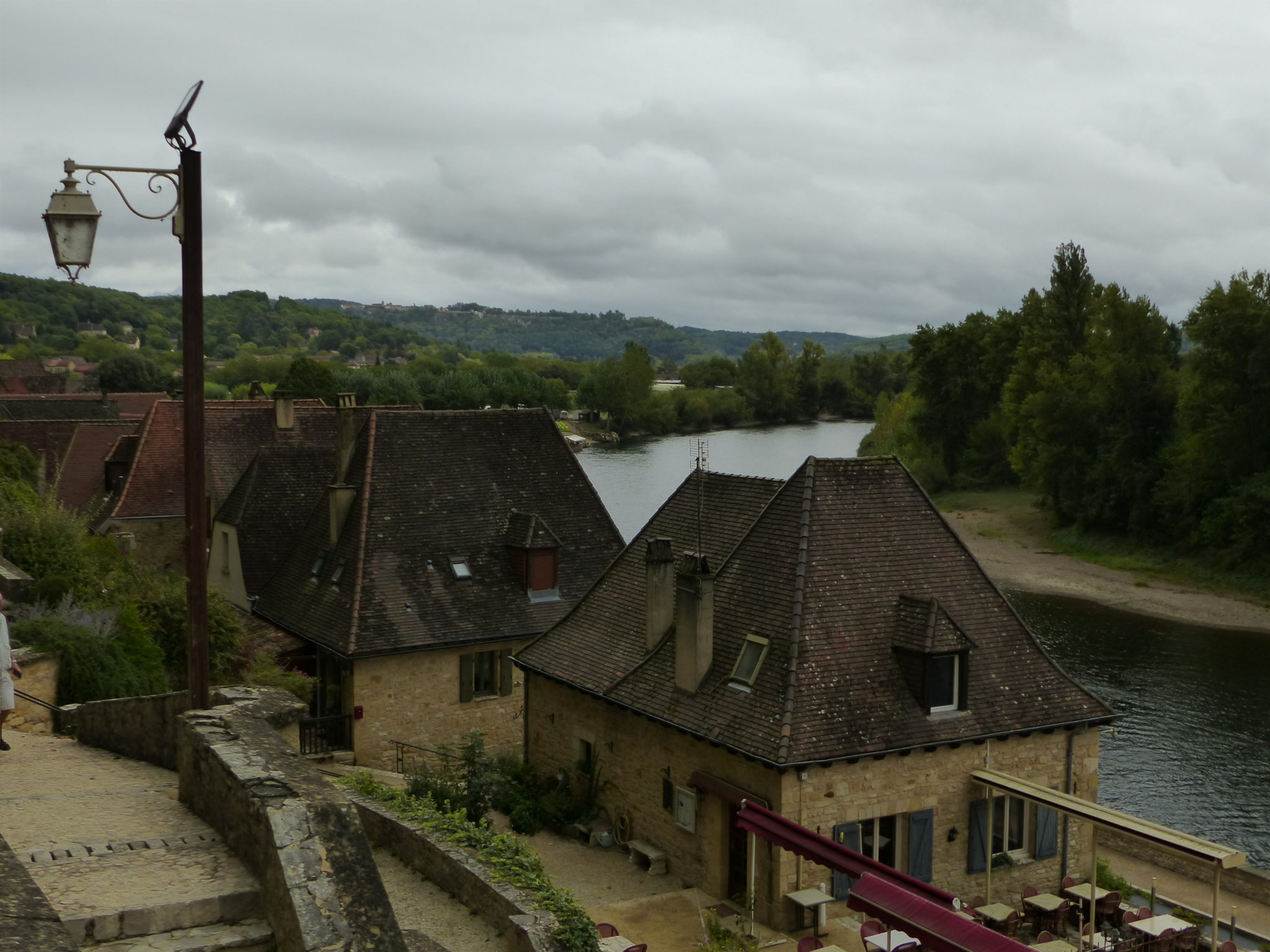
Our next venture took us to the village of La Roque-Gageac on the Dordogne River. The Périgord region is very rugged and features many limestone cliffs and caverns. Of course, this is the area where the famous prehistoric cave paintings of Lescaux are located. As a result, there are many picturesque villages built on narrow strips of land between the Dordogne and the cliffs and climbing up them in many cases. La Roque is a very popular one near Sarlat and where you can take excursions up the river on traditional boats known a gabarres. Of course, the only rain we have experienced while here came during our boat trip! Never mind, it was a short rain squall and, while we all got wet, we still enjoyed the views from the river, especially of Chateau Castlenaud (more on it later).

Be First to Comment