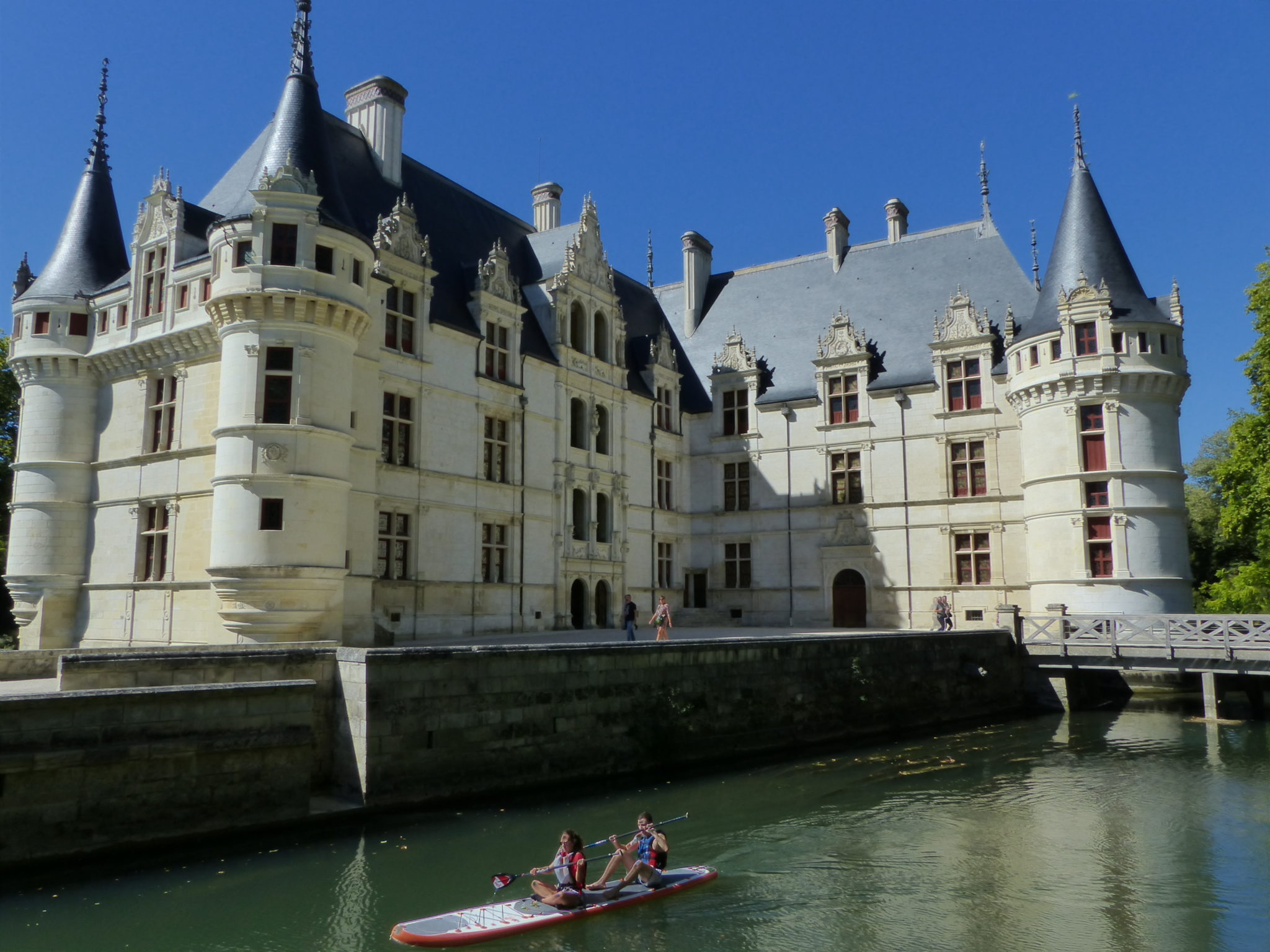
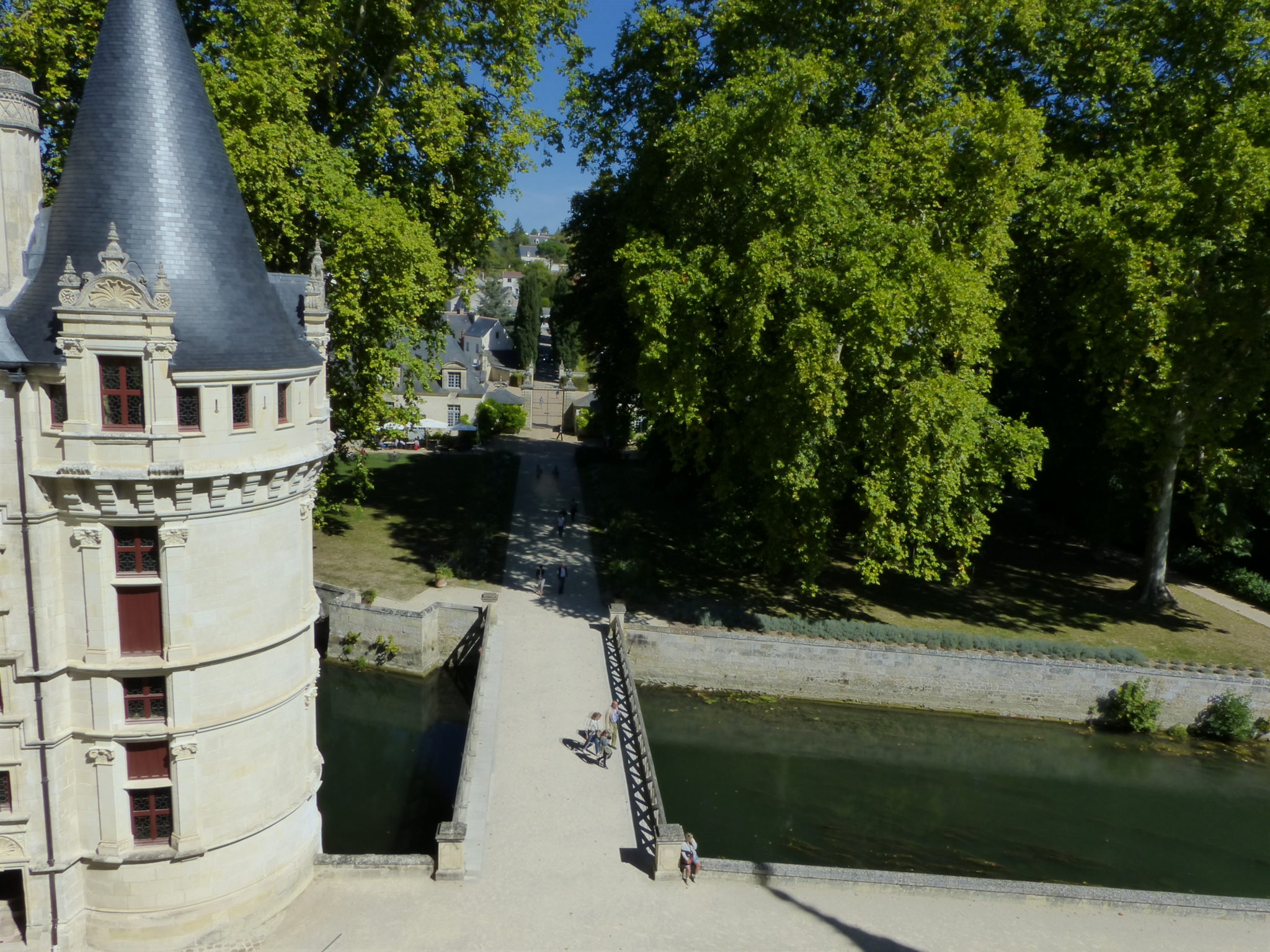
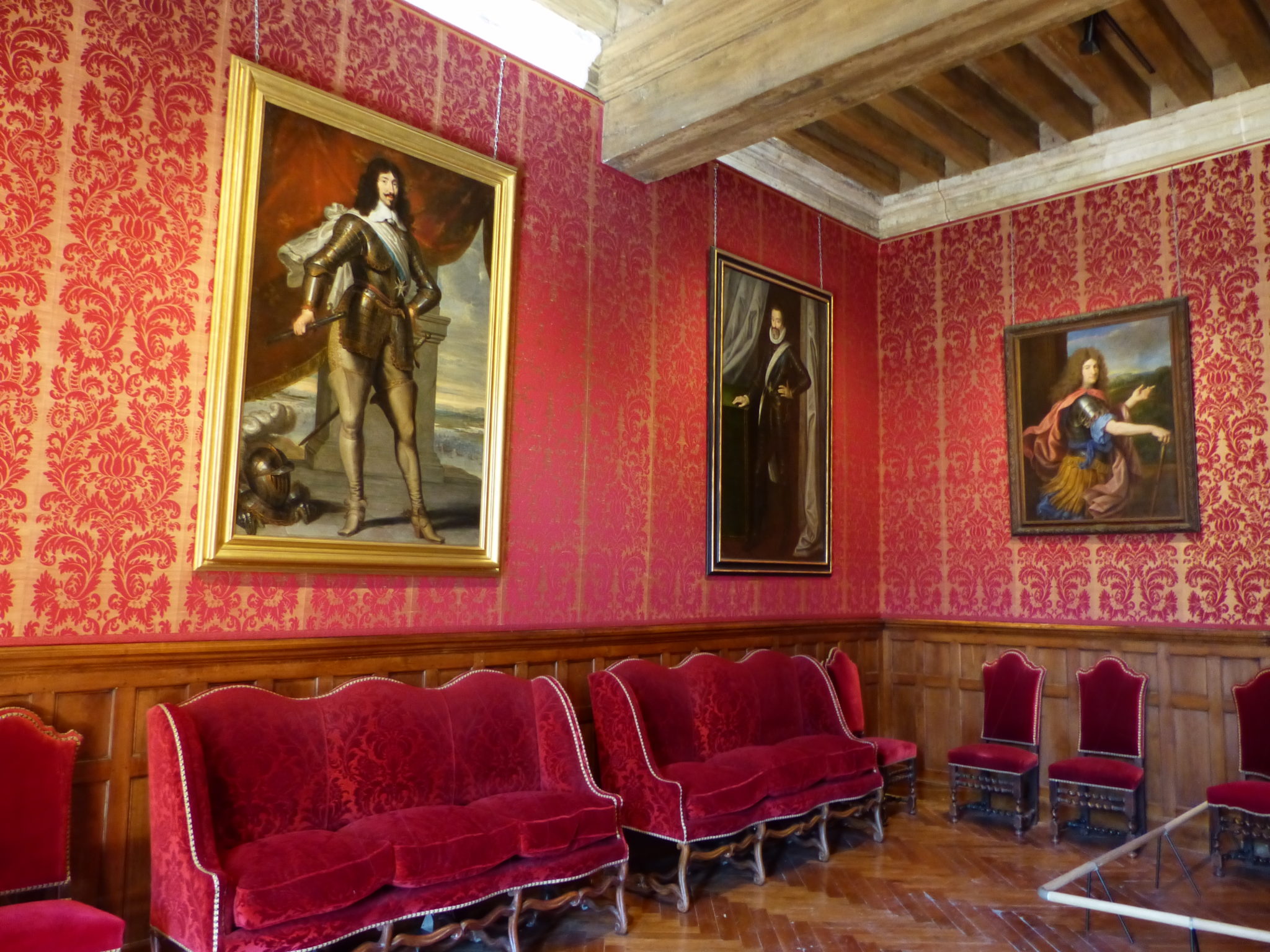
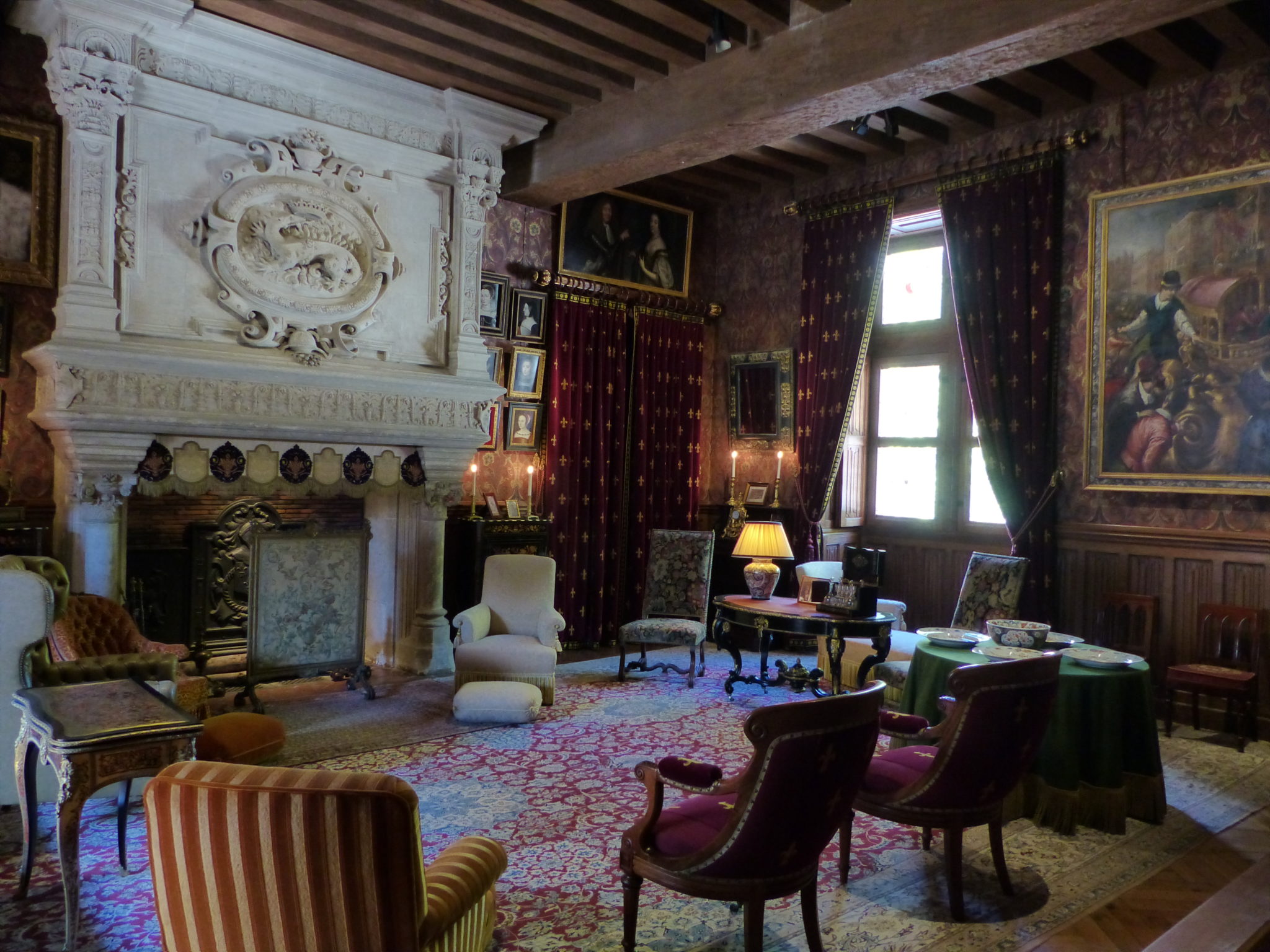
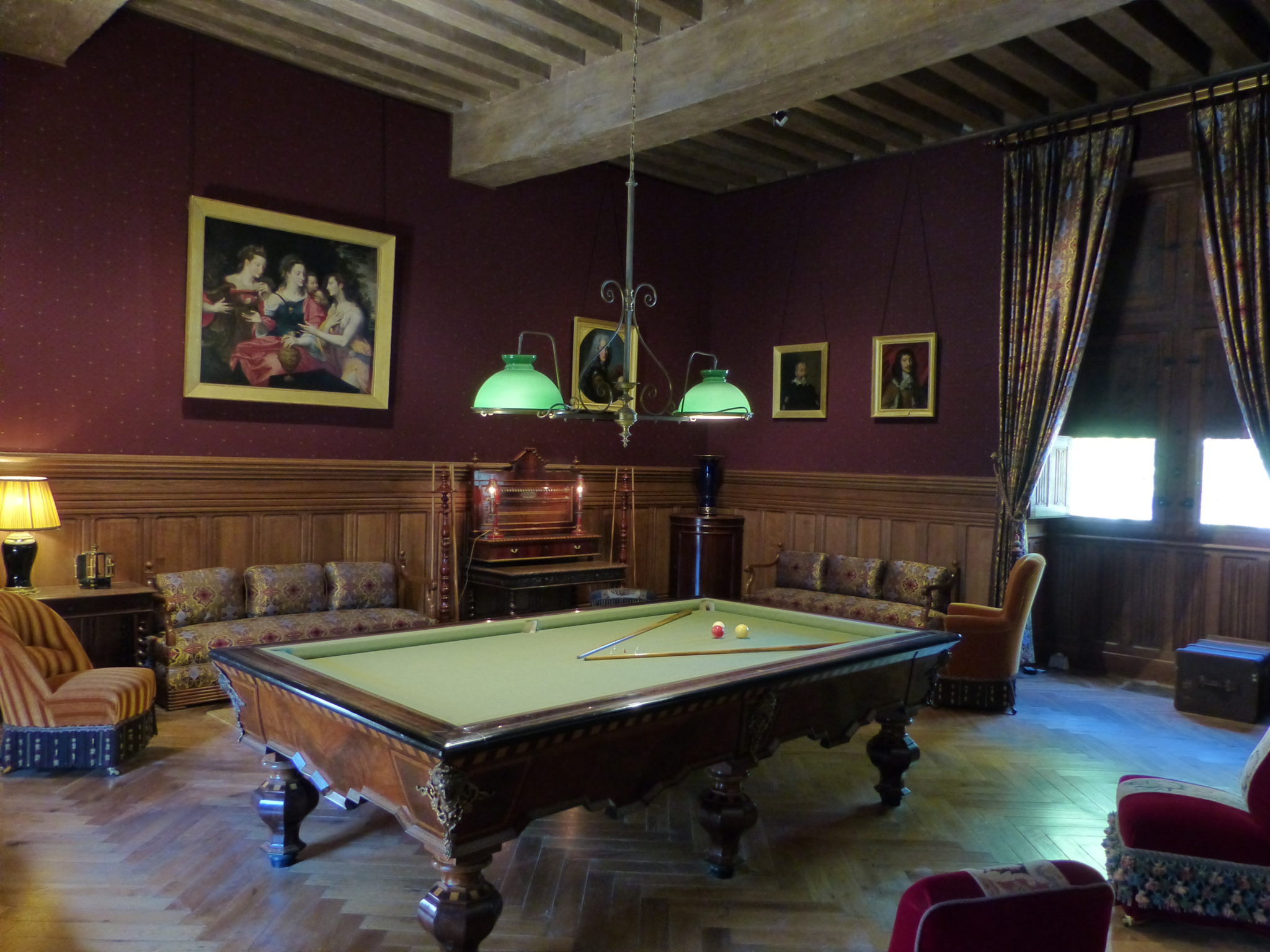
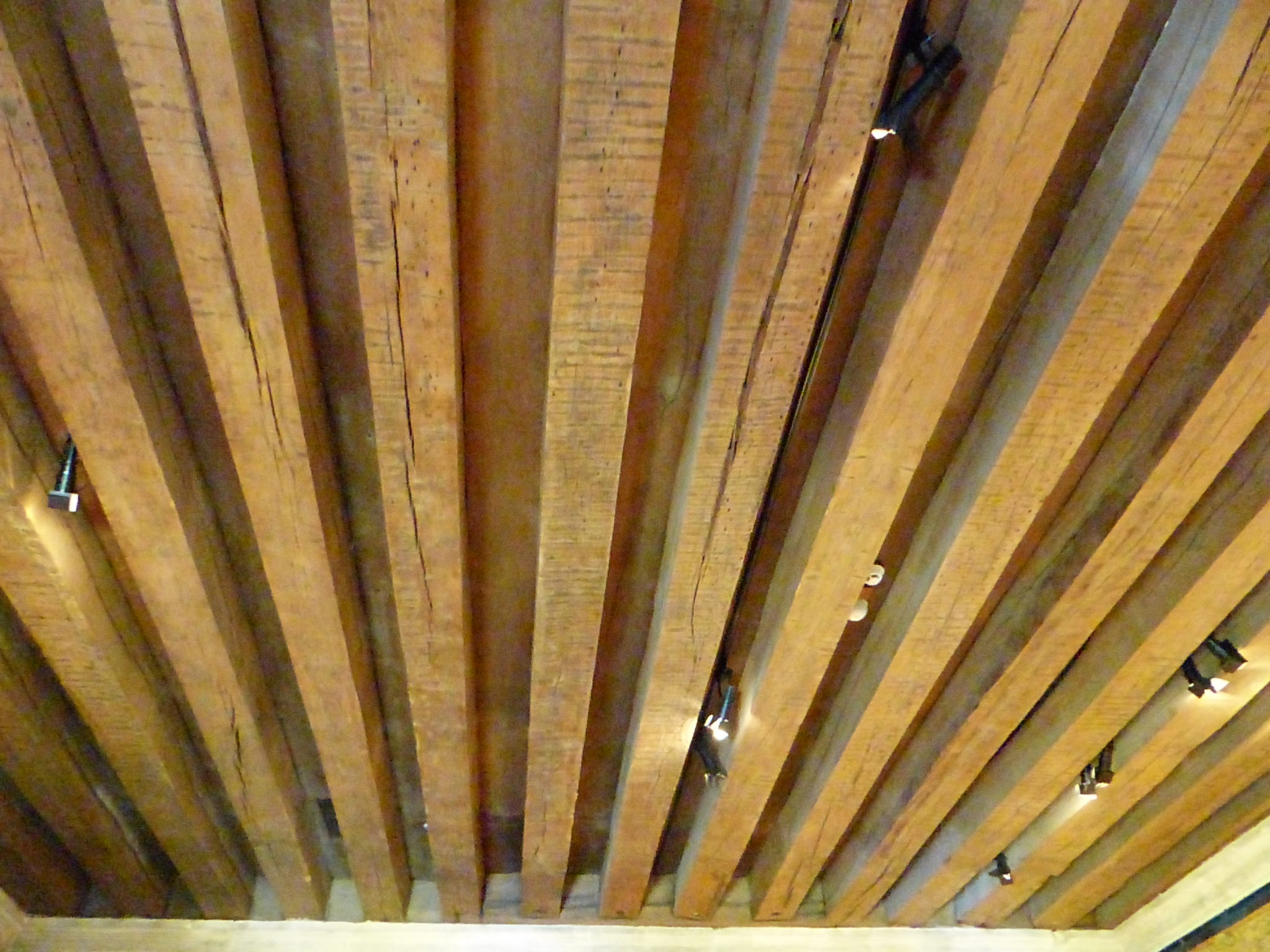
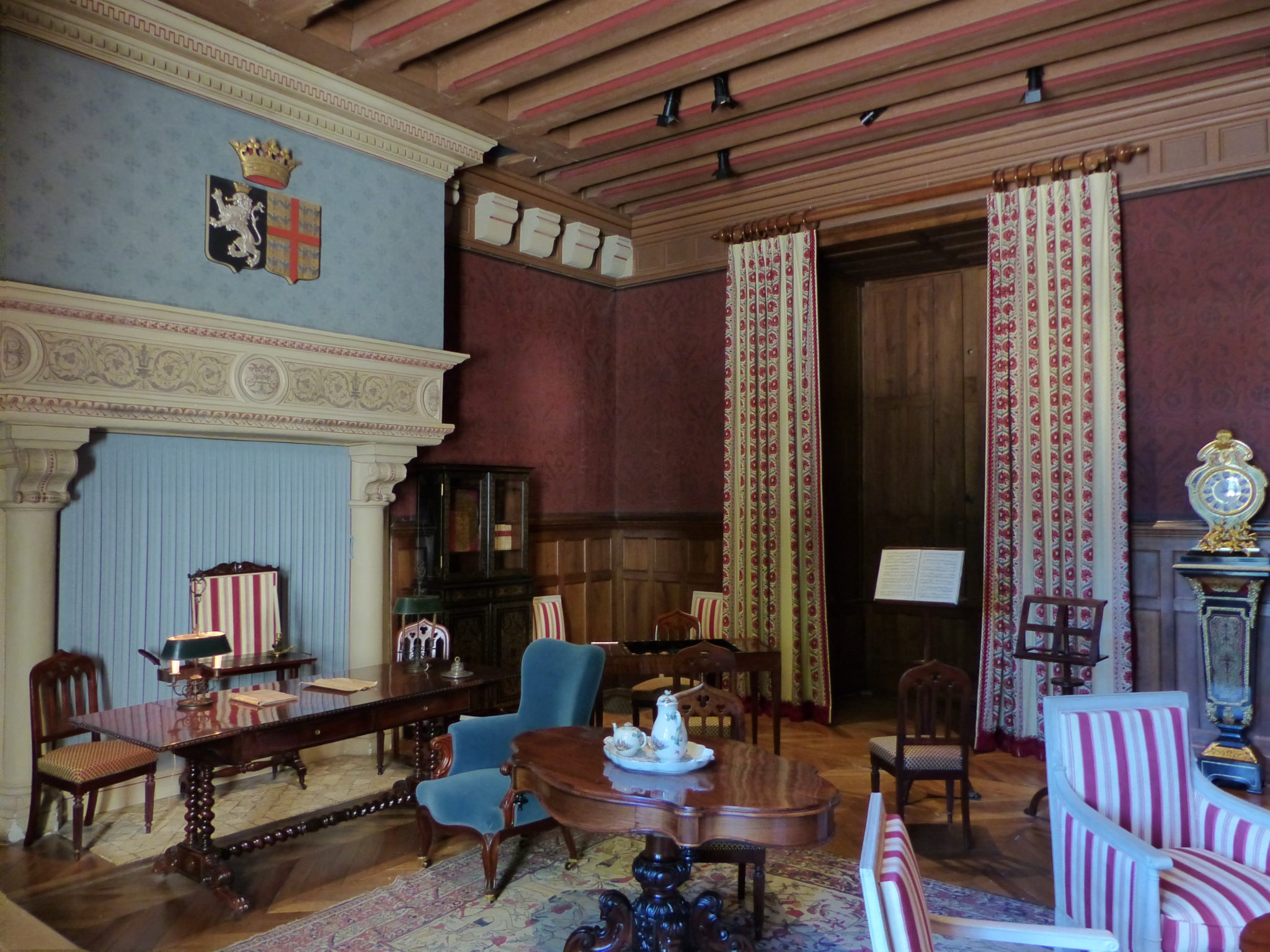
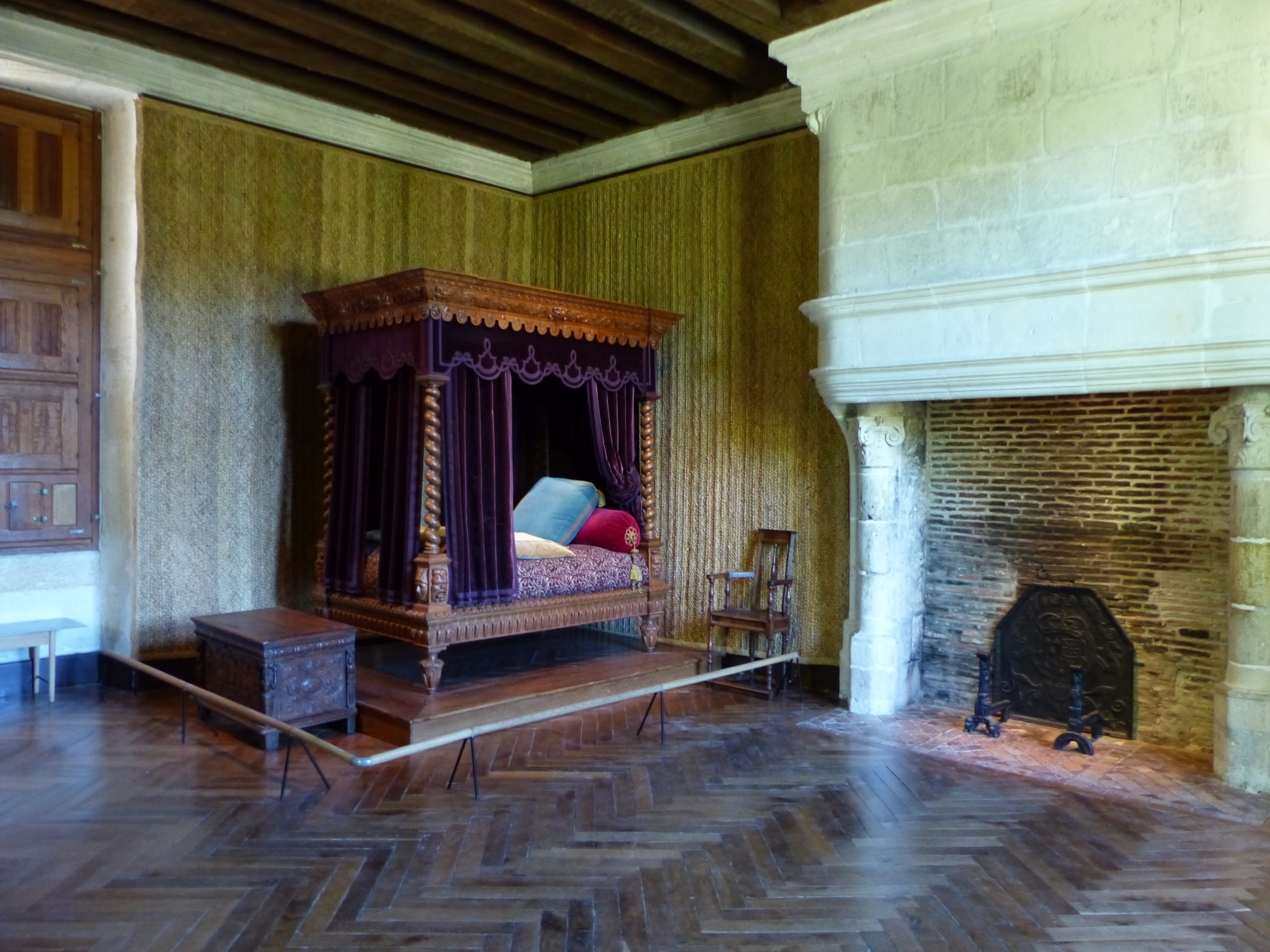
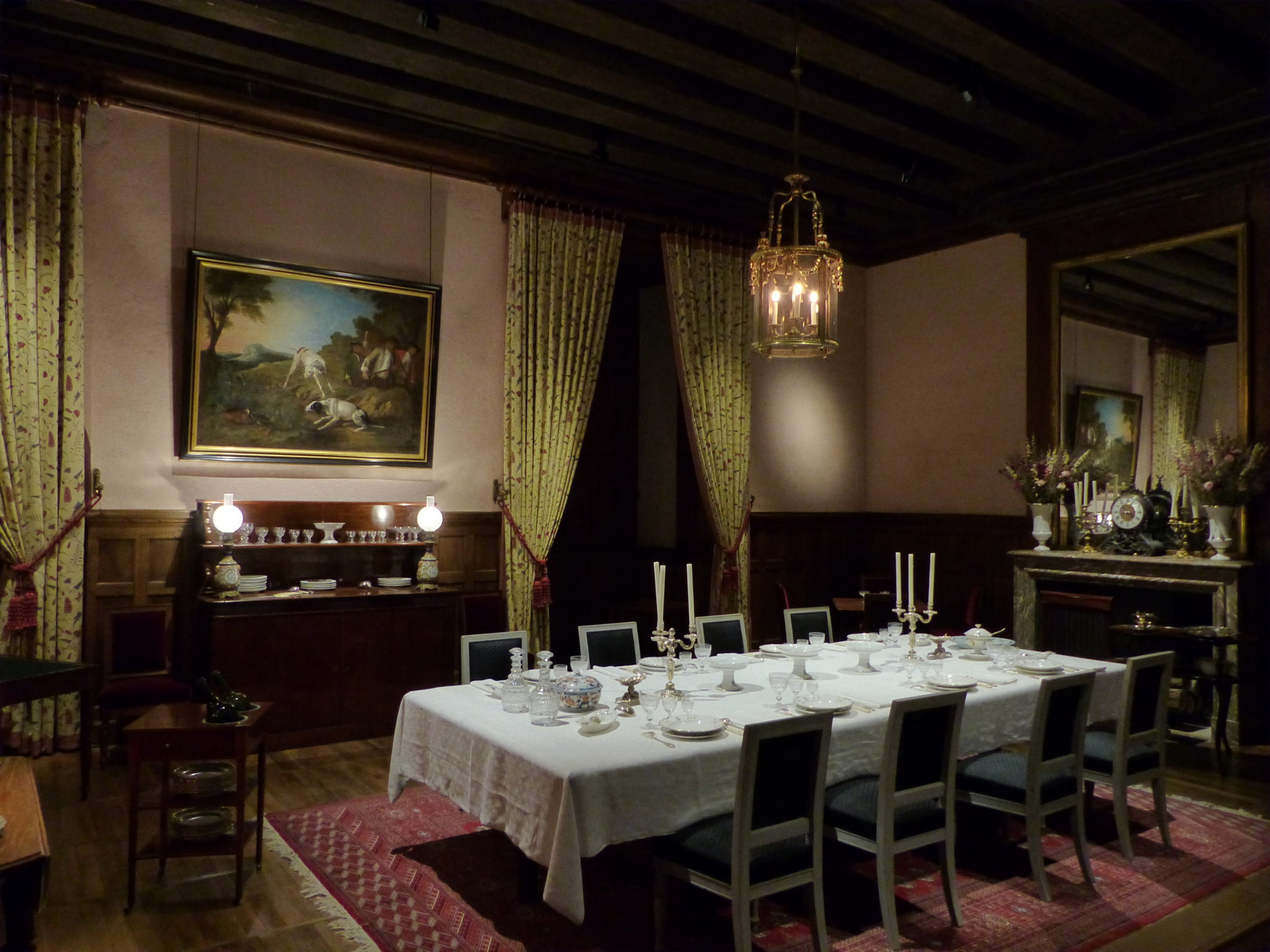
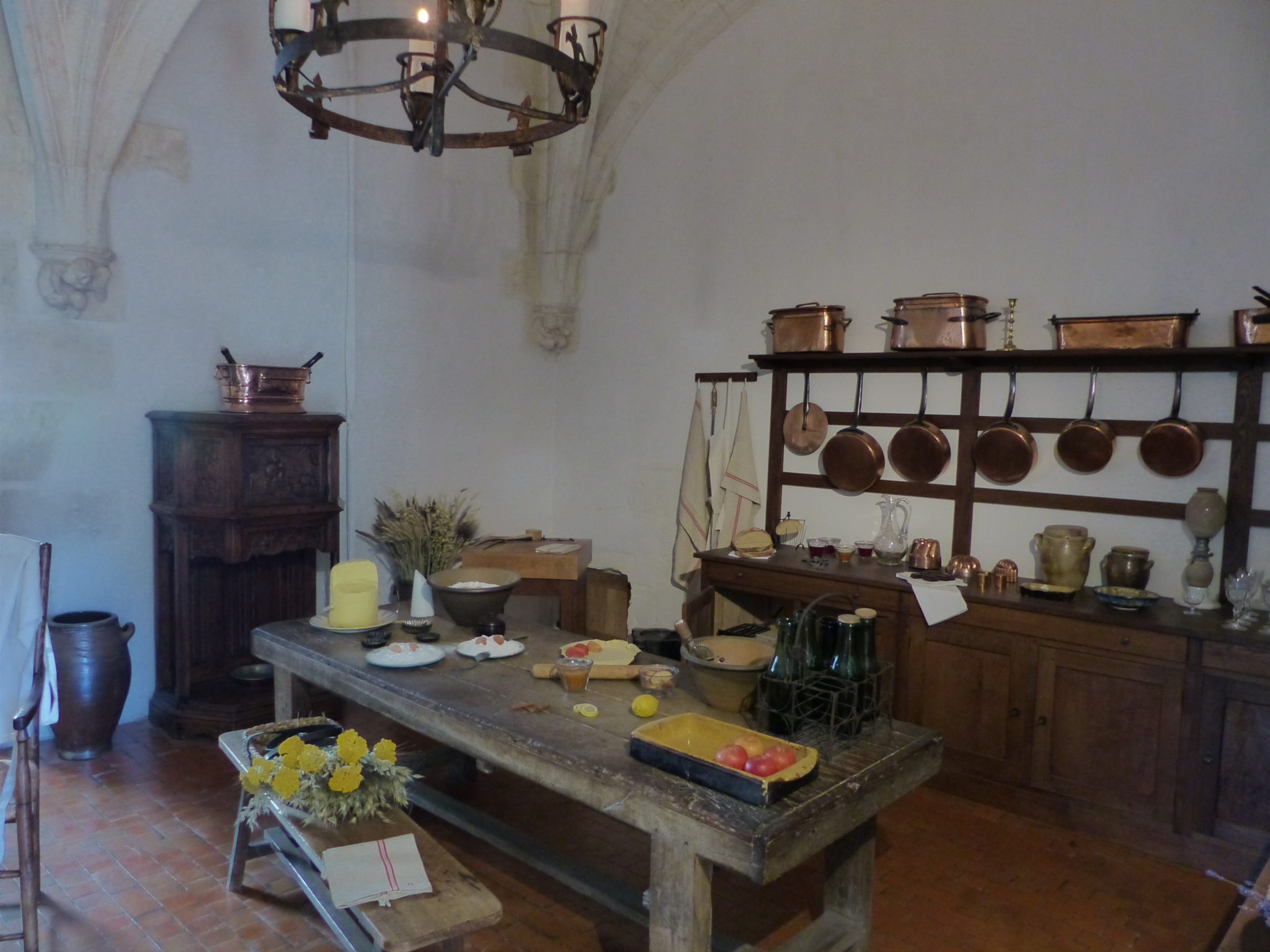
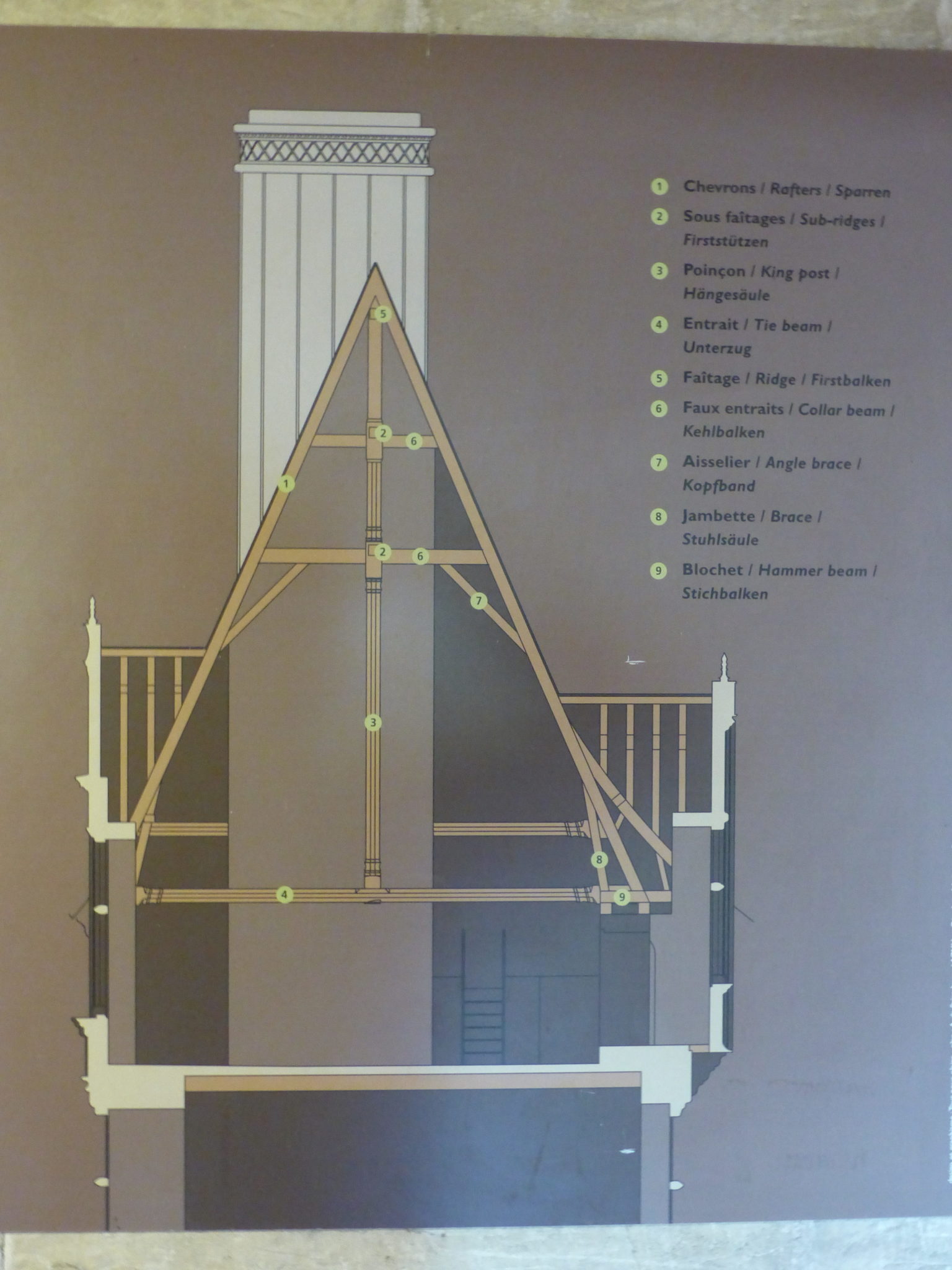
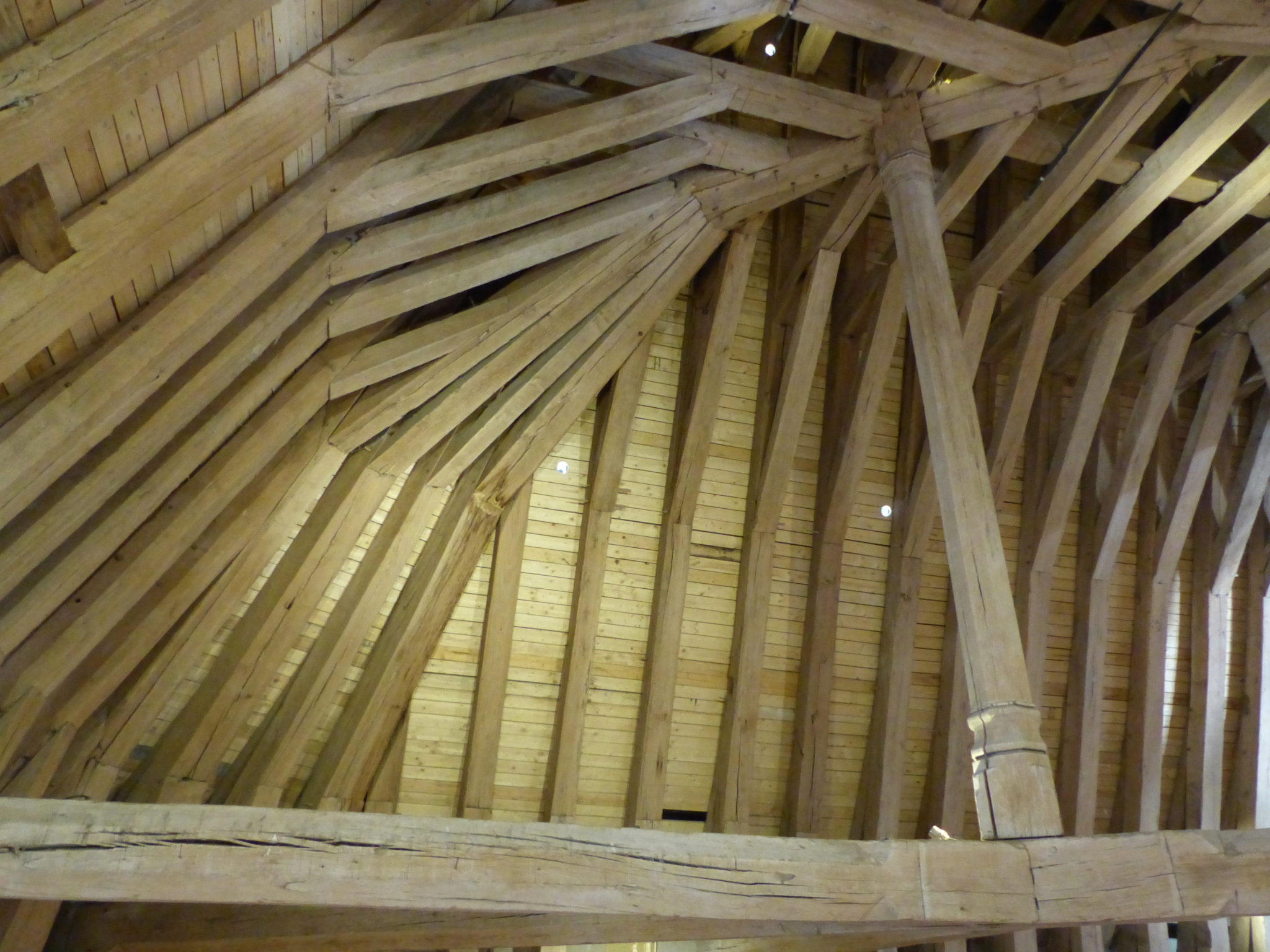
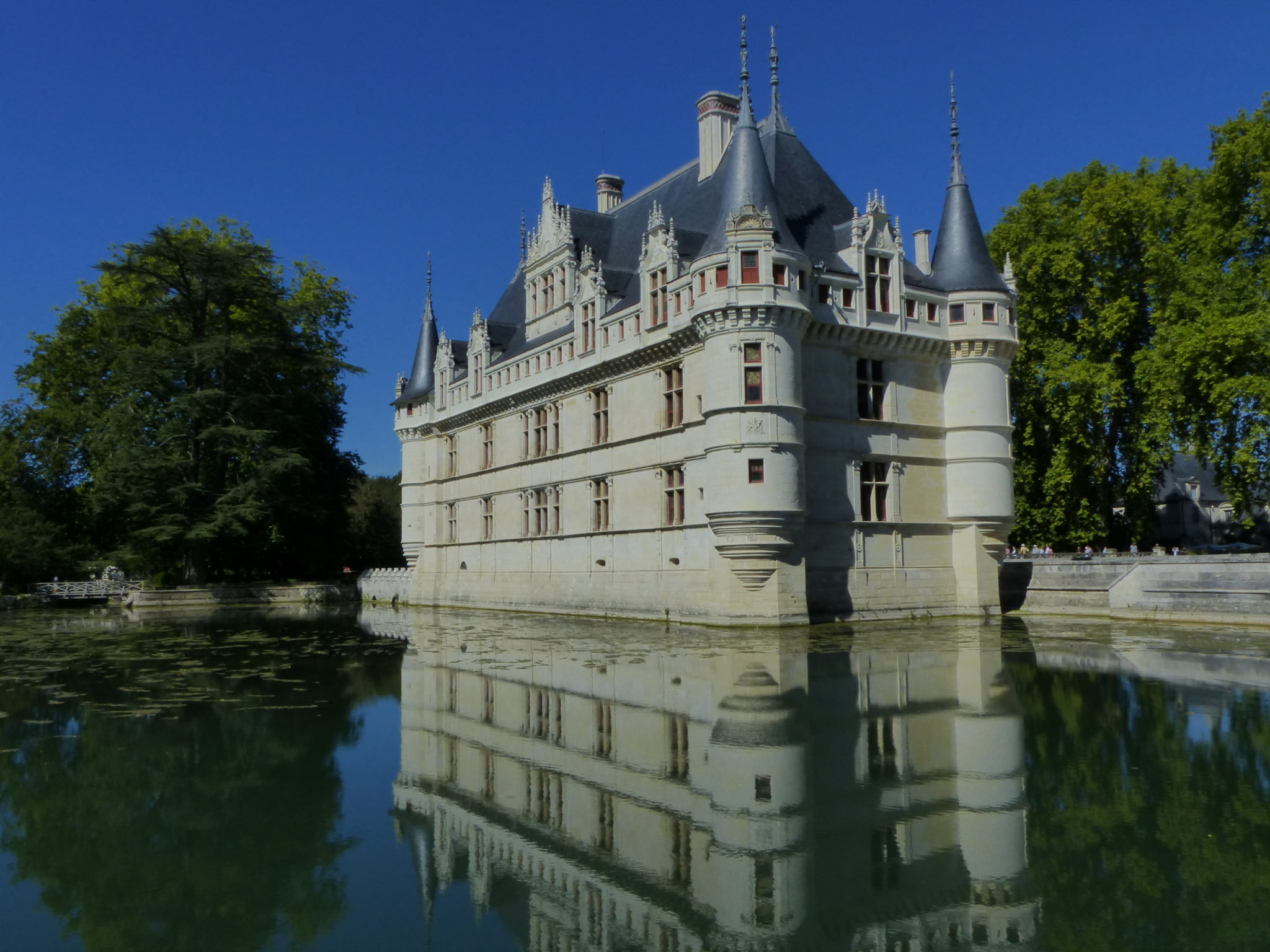
Many notable chateaux in the Loire Valley are actually located on the Indre, a tributary of the Loire. One of these, and a personal favorite, is the Chateau D’Azay-Le-Rideau. Sitting on a little island in the Indre River, I find it to be one of the most attractive and best presented of the many great chateaux in the area. While not huge, it feels more livable than many others. One unique feature is the central staircase that is open on the front side creating an open balcony effect at each intermediate level. Also, the tour of the chateau takes you through the attic, allowing you to view close up the impressive structure of the roof. It’s no wonder the art of French timber framing has been declared one of UNESCO’s cultural intangibles. Speaking of which, when built, the owner received permission from King Francois I to cut oak trees from the Royal Forest for construction. And what trees they must have been. I estimate some of the main supporting beams to be about 16in (40cm) square in cross section and 15-20 feet long. You couldn’t afford, let alone find, anything like that today. Equally impressive are the supporting beams laid across them for the floors. No short cuts taken here! One of the appealing aspects of the exterior is how they widened the river behind the chateau to create a ‘mirror lake’ providing some of the chateau’s most striking views.
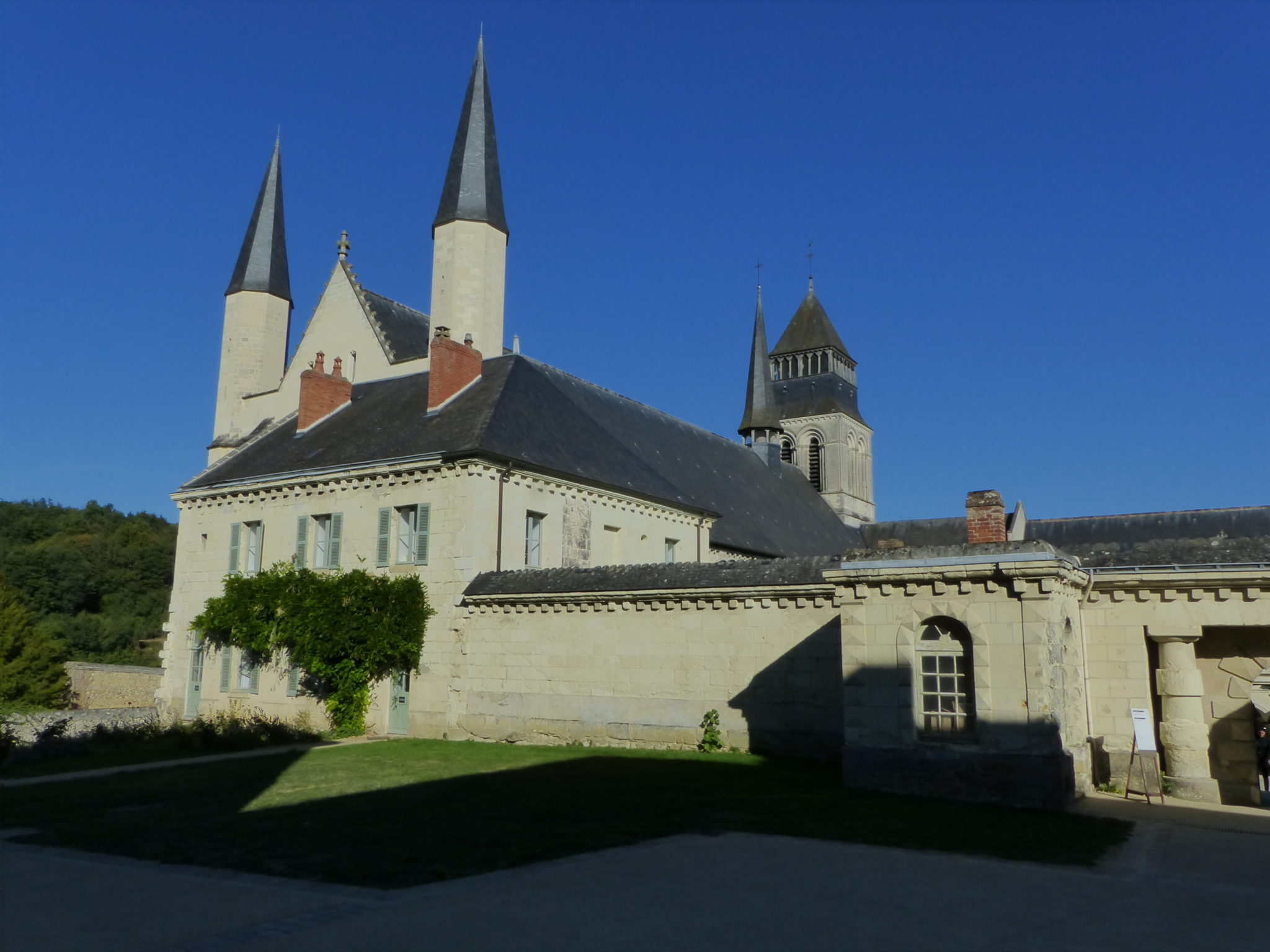
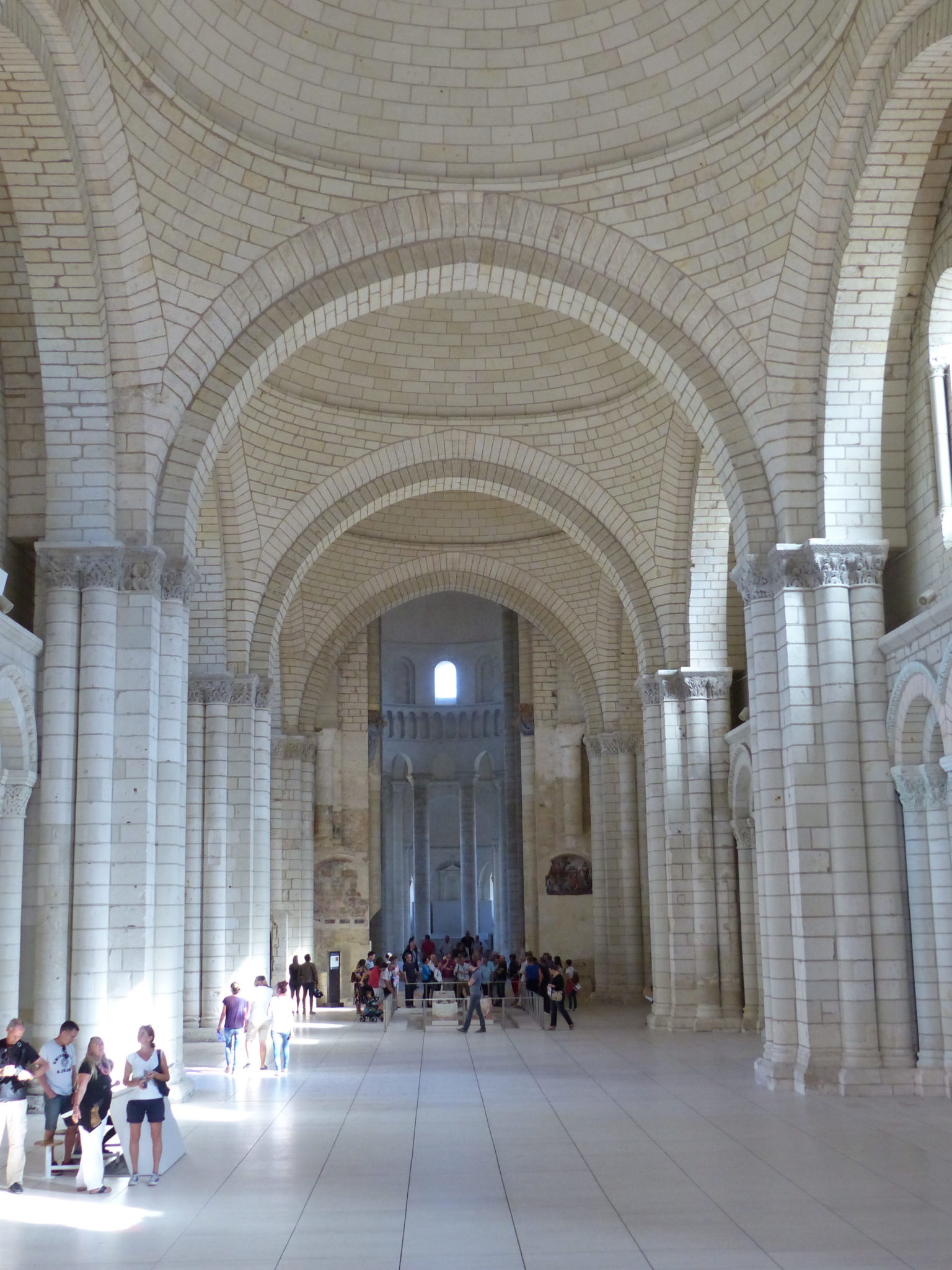
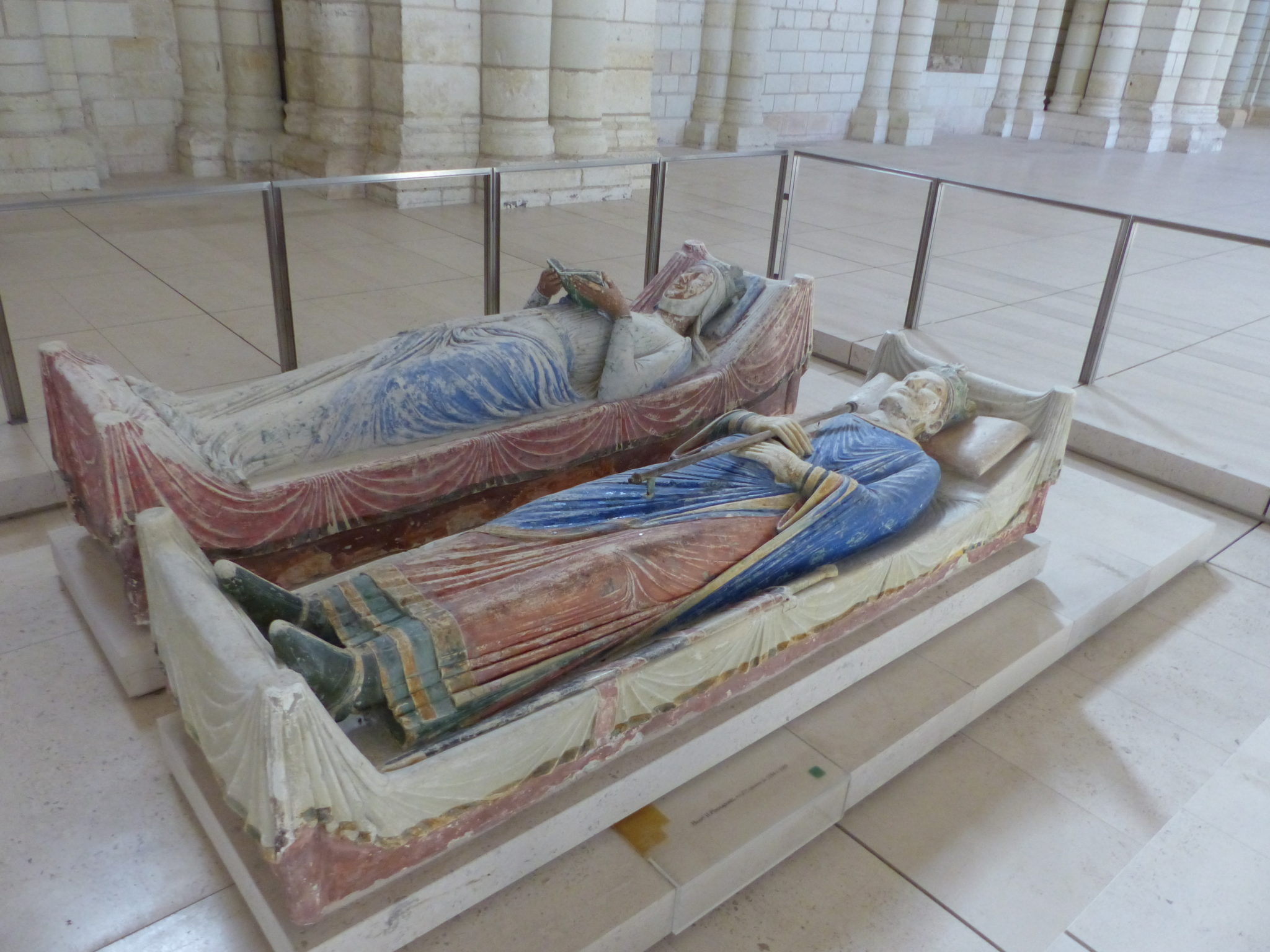
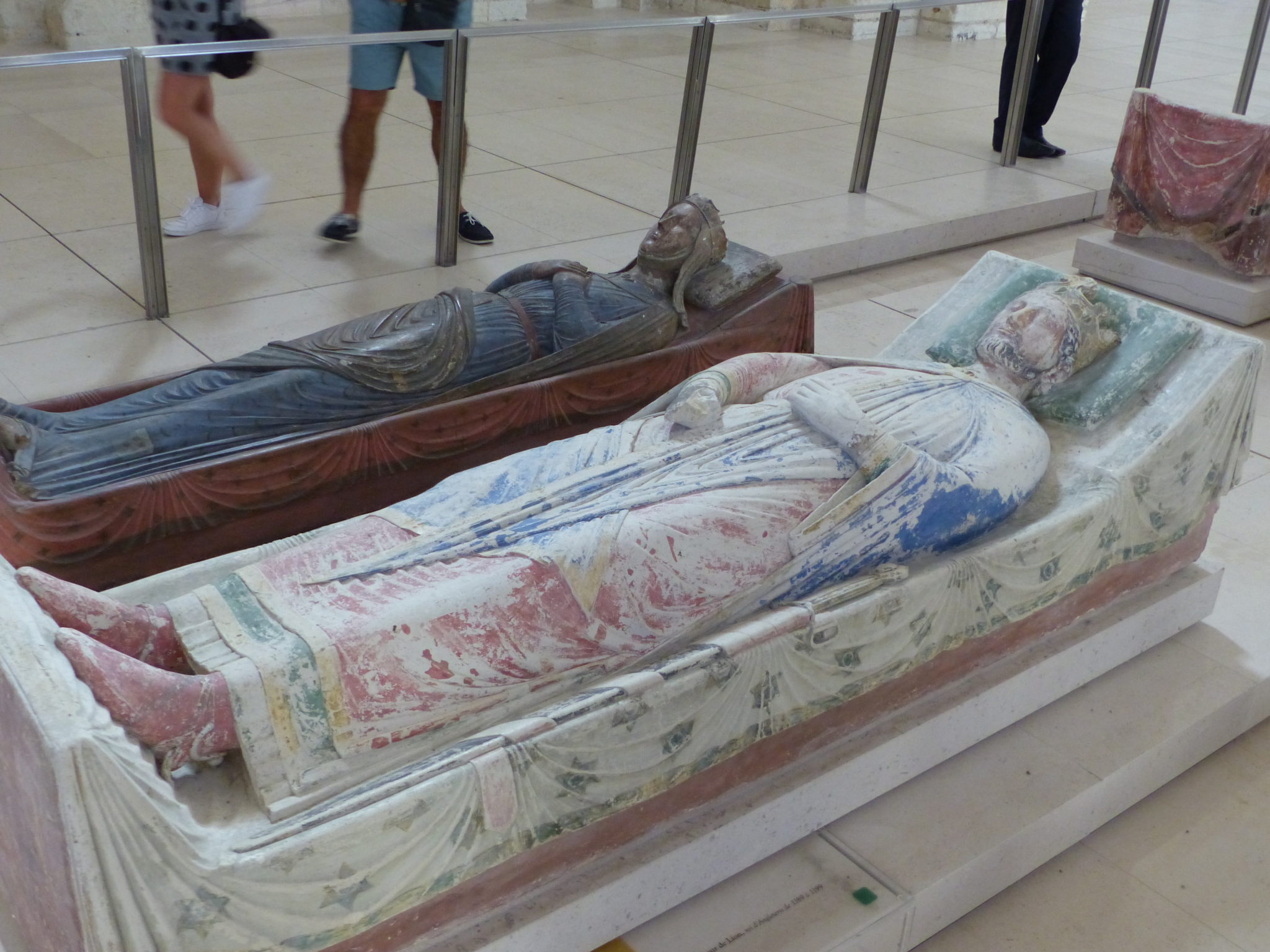
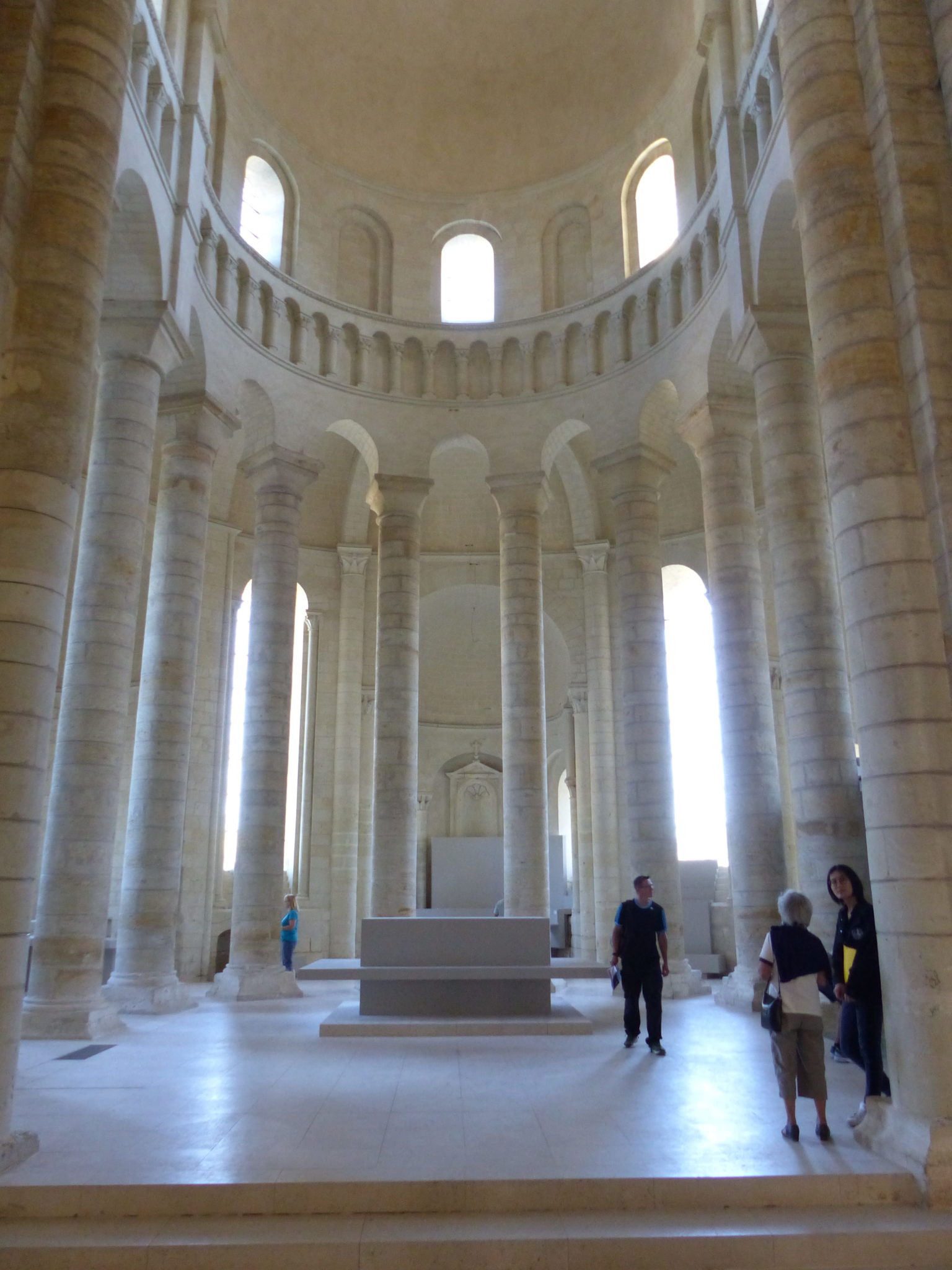
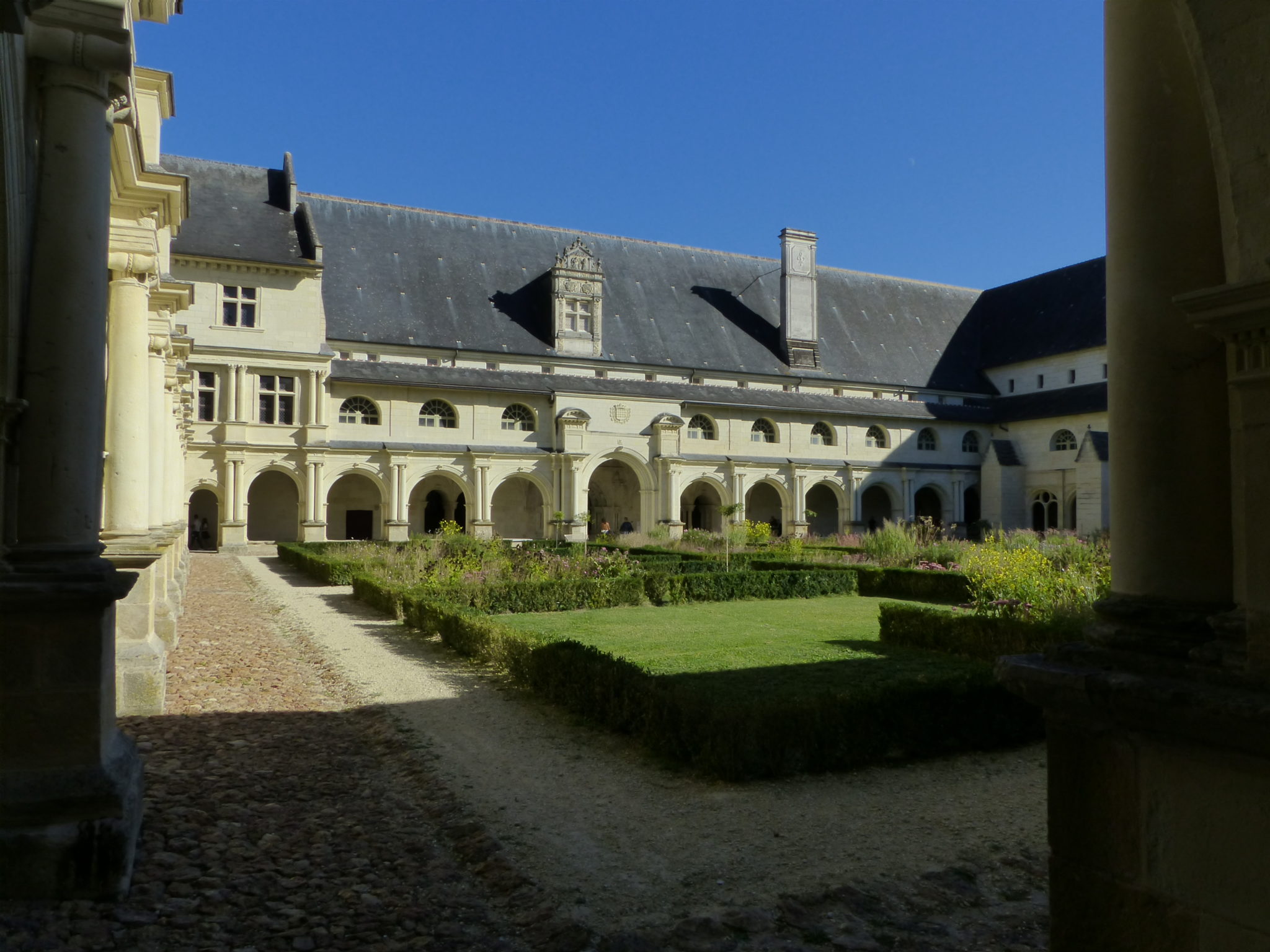
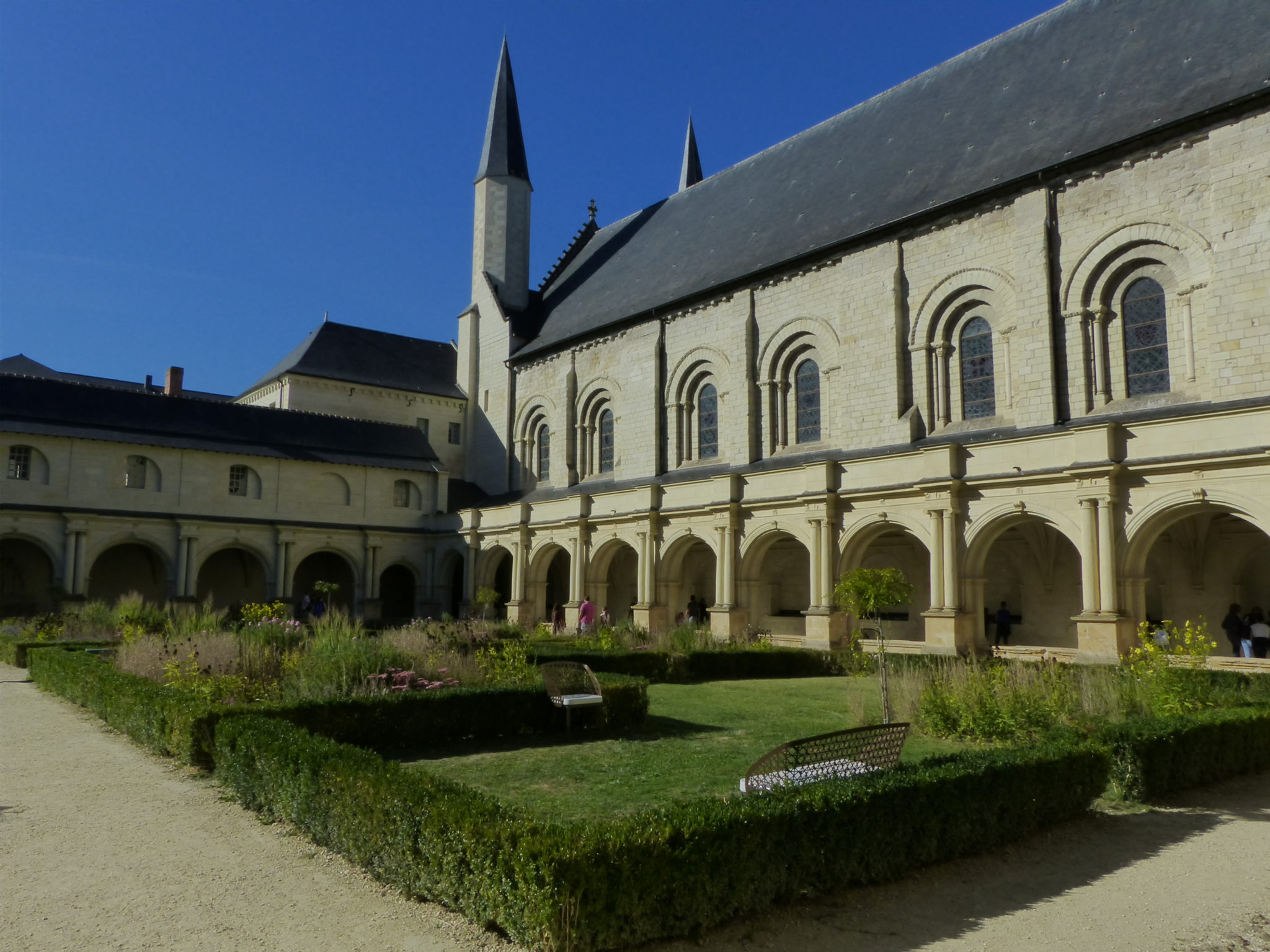
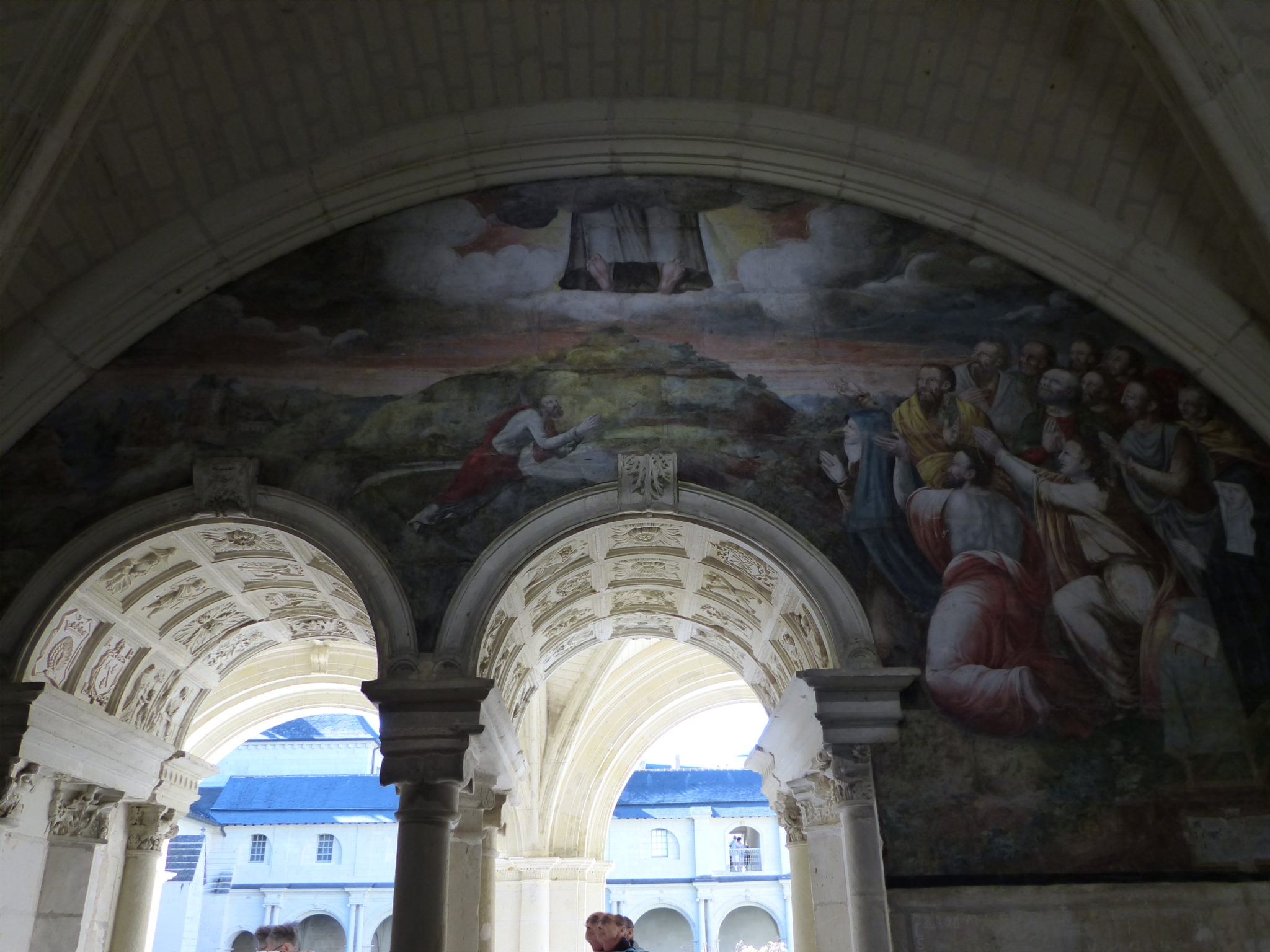
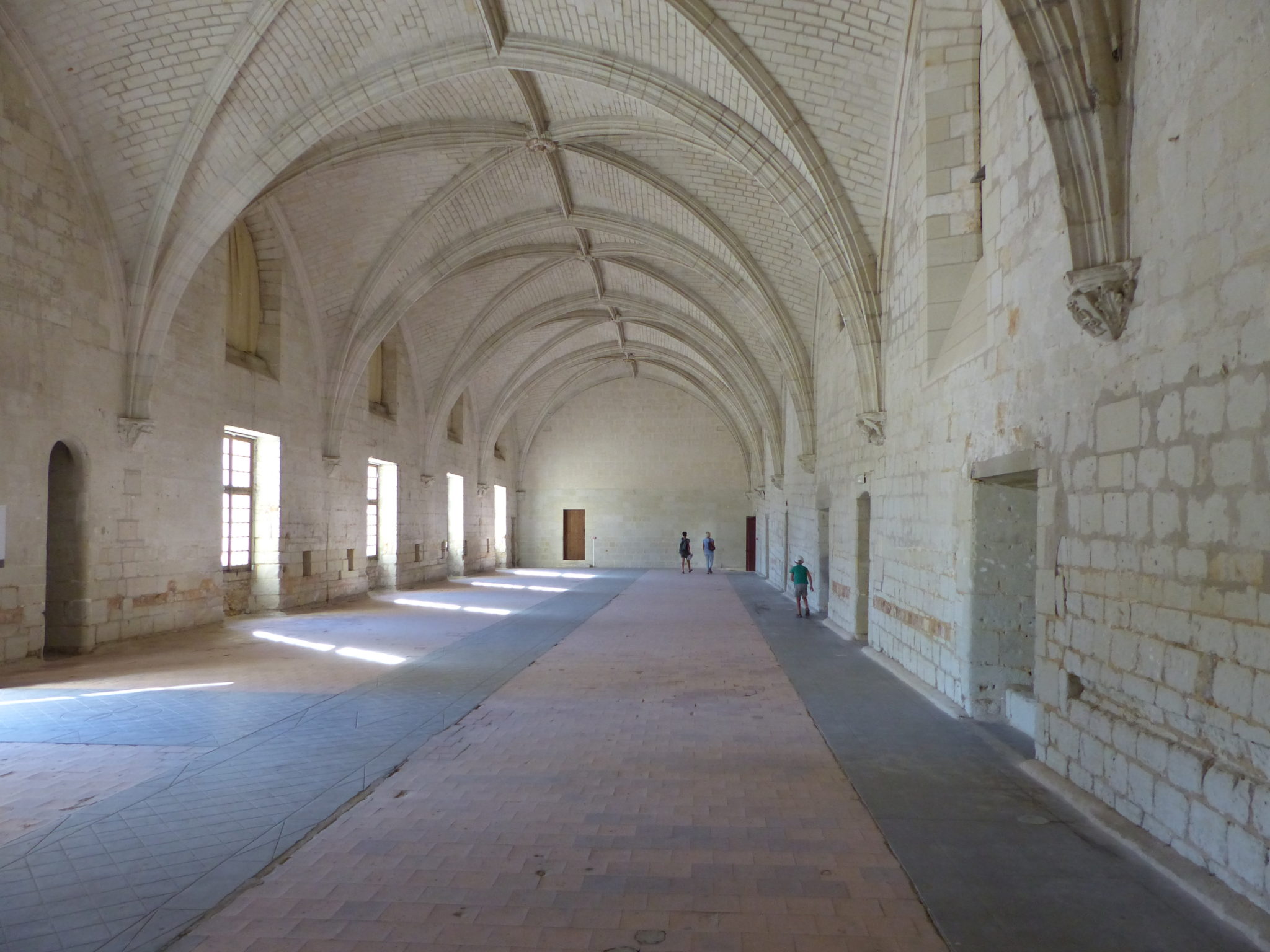
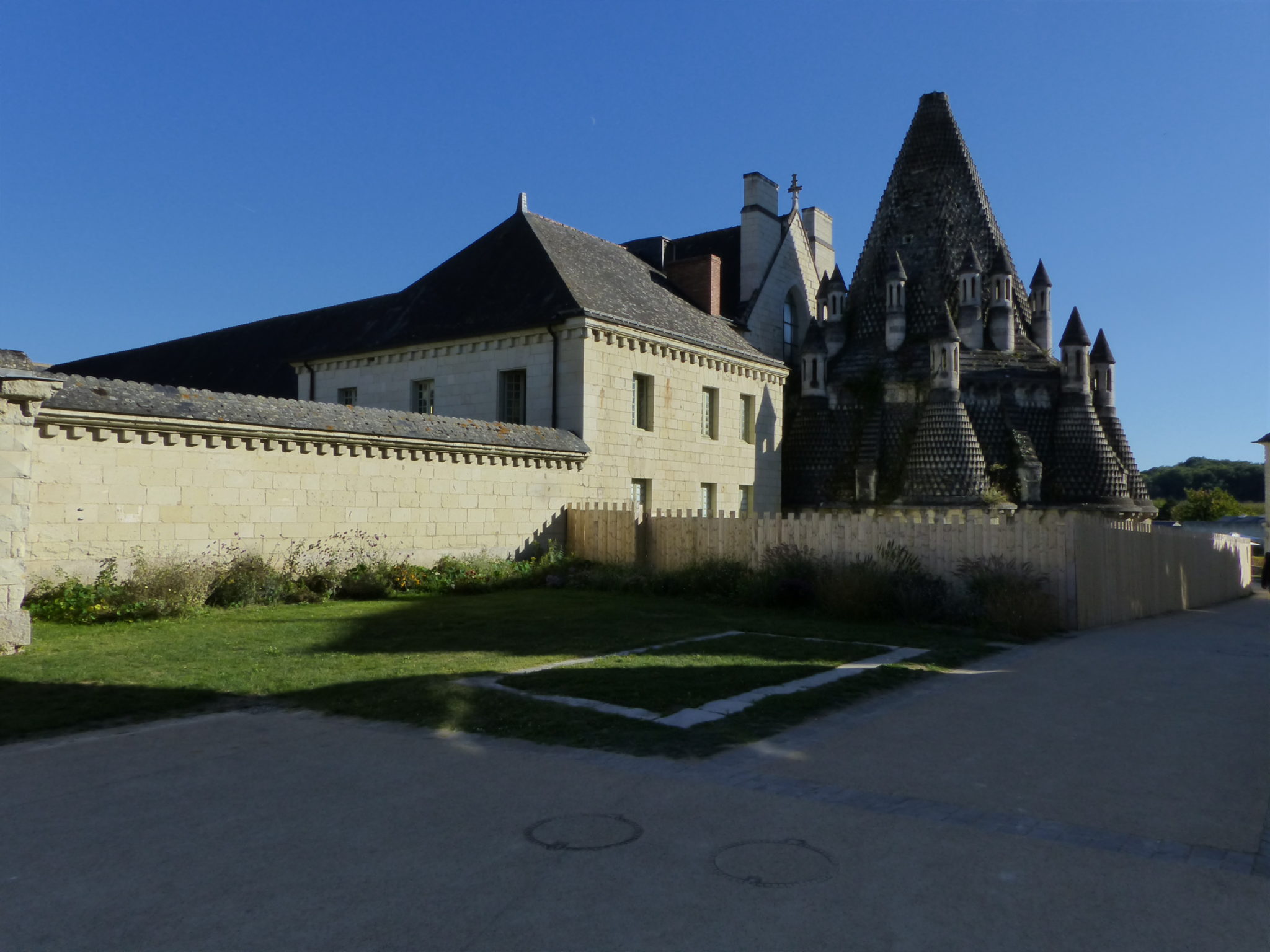
From Azay-Le-Rideau we drove past the Royal Fortress of Chinon which was a favorite of Henry II of England and where his son Richard I was born. It’s mostly ruins and I’d been there before so we continued on to Fontevraud Abbey where both are buried along with Henry’s wife, Eleanor of Aquitaine. I’ve always been struck by how much of France Henry controlled while King of England (more than the King of France). His holdings extended down to the Dordogne River in southern France and many of the medieval castles of the area have connections to him; Chinon being his main base of operations while in France. Eleanor had been a patron of the abbey, however, and lived out her life there, which is why two Kings of England are buried in an abbey in the Loire Valley. Of course, all the abbeys were closed and taken over by the government during the French Revolution and many, like Fontevraud, were used as prisons for many years. While no longer a ‘consecrated’ religious institution, Fontevraud is another of the numerous World Heritage Sites France is ‘blessed’ to have. My next post will have more with a Henry II connection.

Be First to Comment