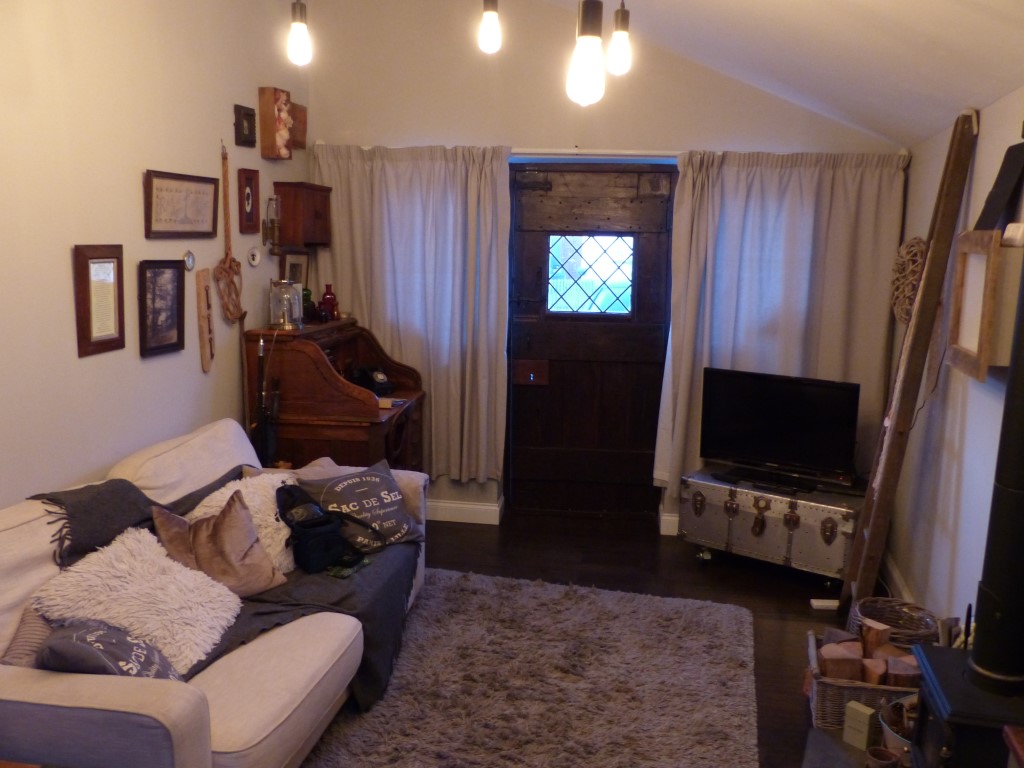
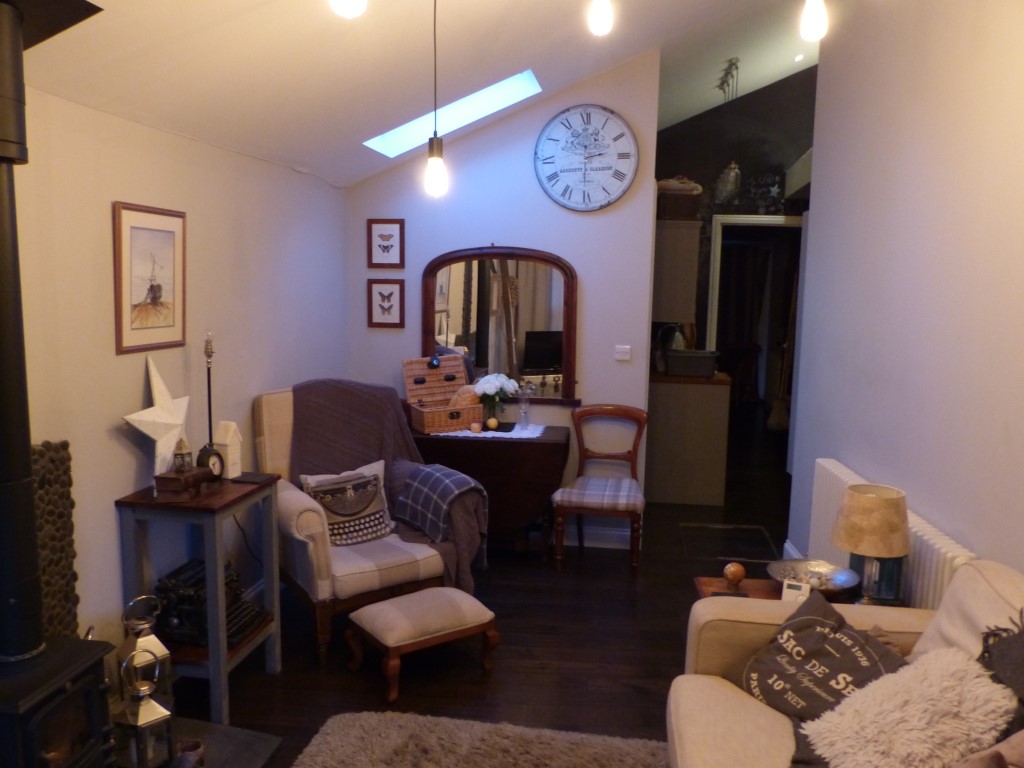
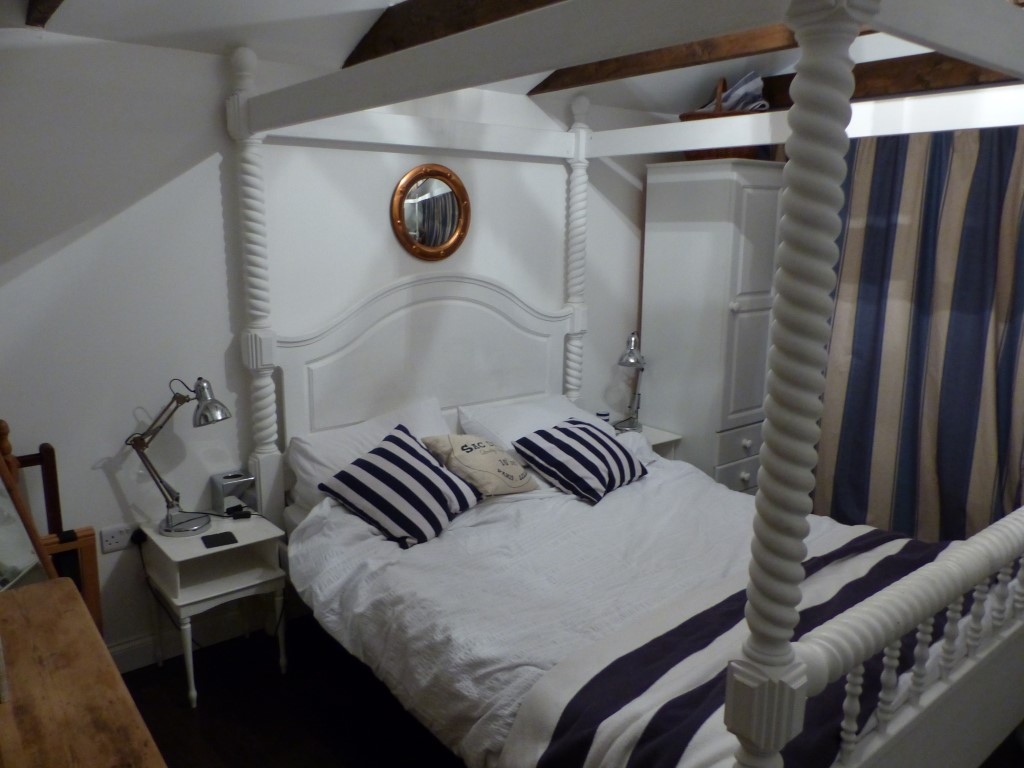
Time to wrap up our week in England before heading across the channel. Anne has already mentioned about striking out on seeing the Royal Pavilion in Brighton. Advertised as being “Open every day of the year except Christmas & New Years” (and the day you want to see it)! Oh well. We continued on to the village of Bexhill near Hastings where we spent the next four nights at ‘Dippy Cottage’ while exploring 1066 Country. Despite its name, it was quite comfortable and cozy if a bit eccentric. It had way too much in the way of decorative antiques meaning everything wasn’t quite as well dusted as it could have been!
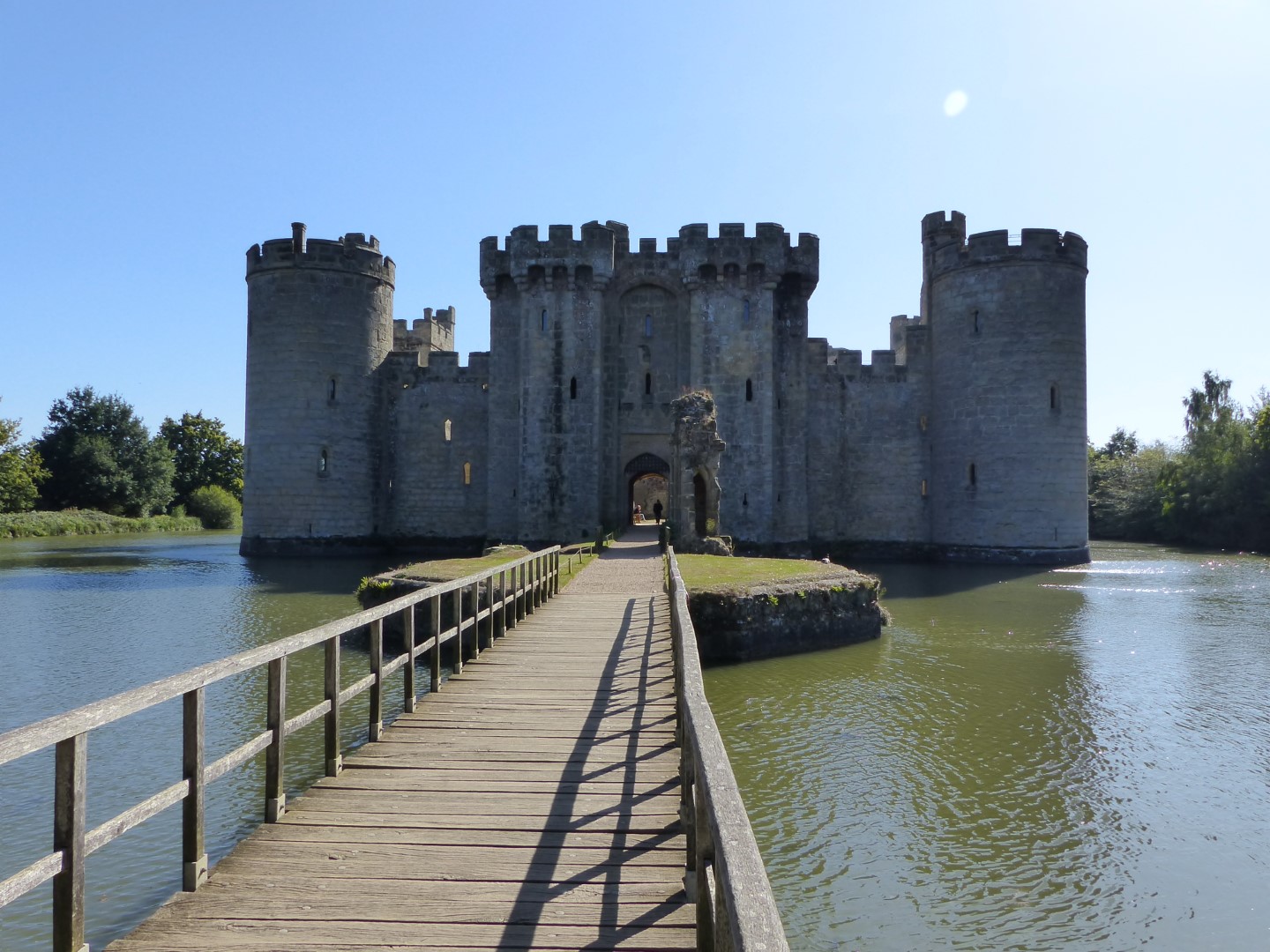
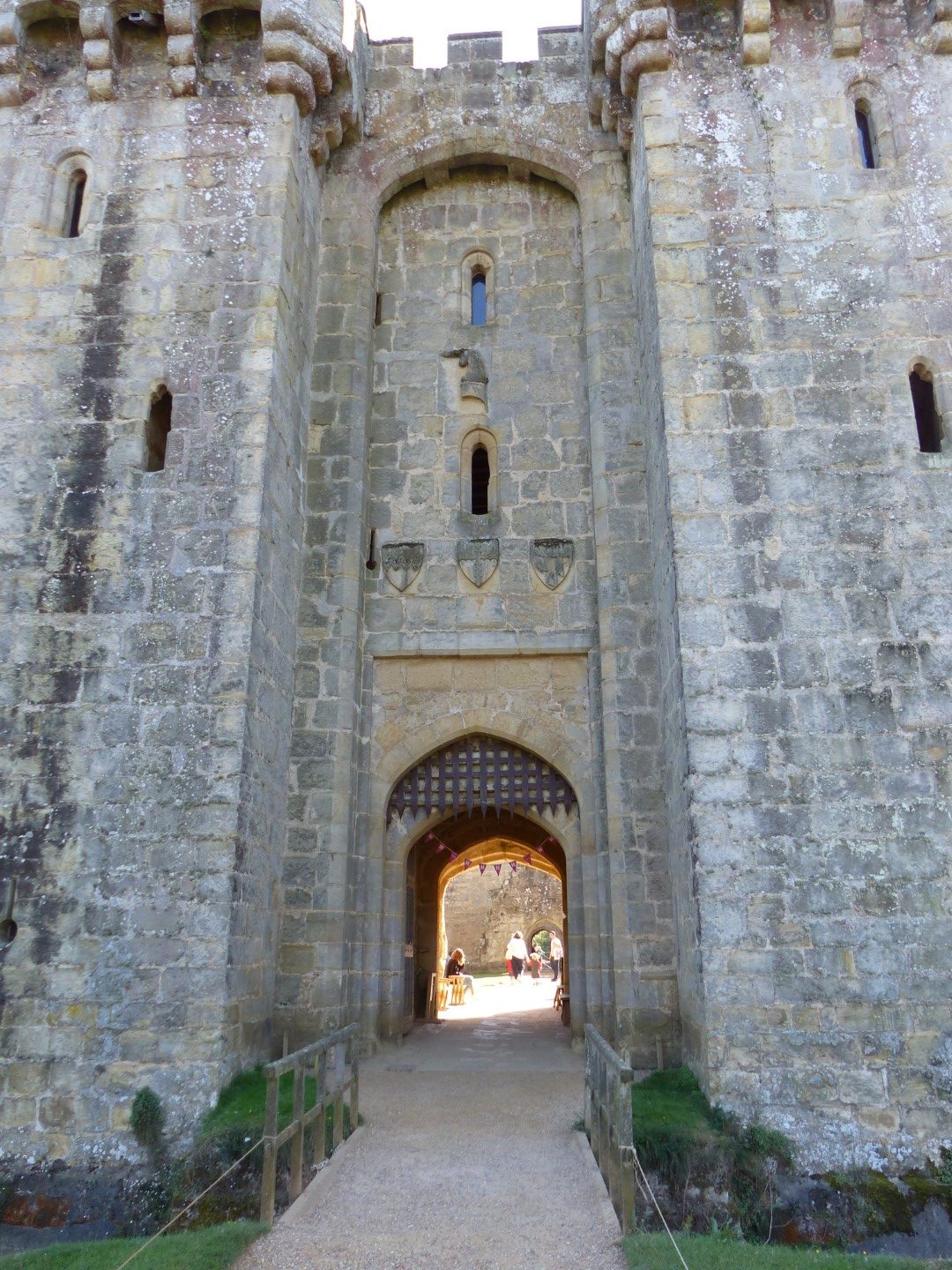
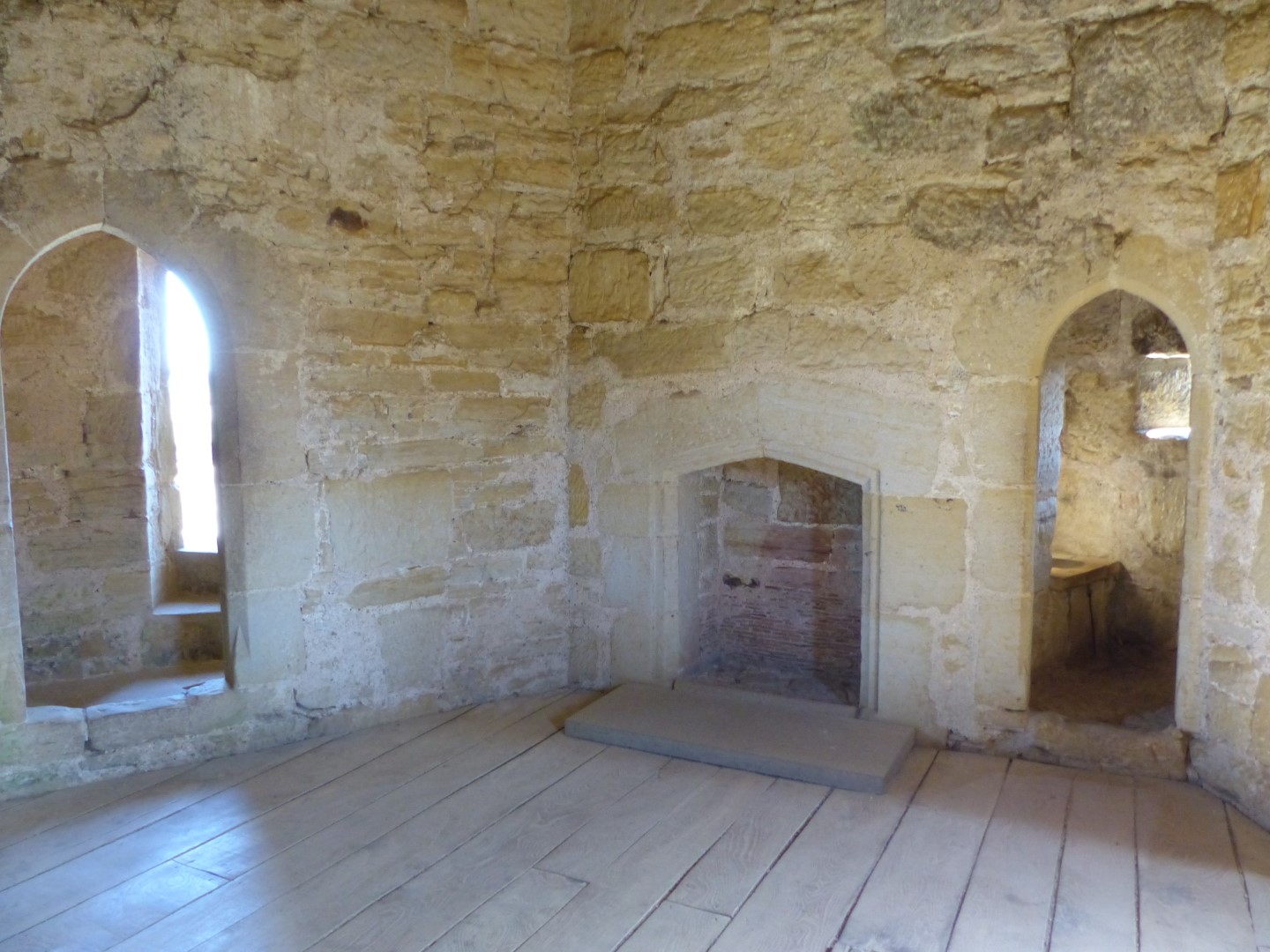
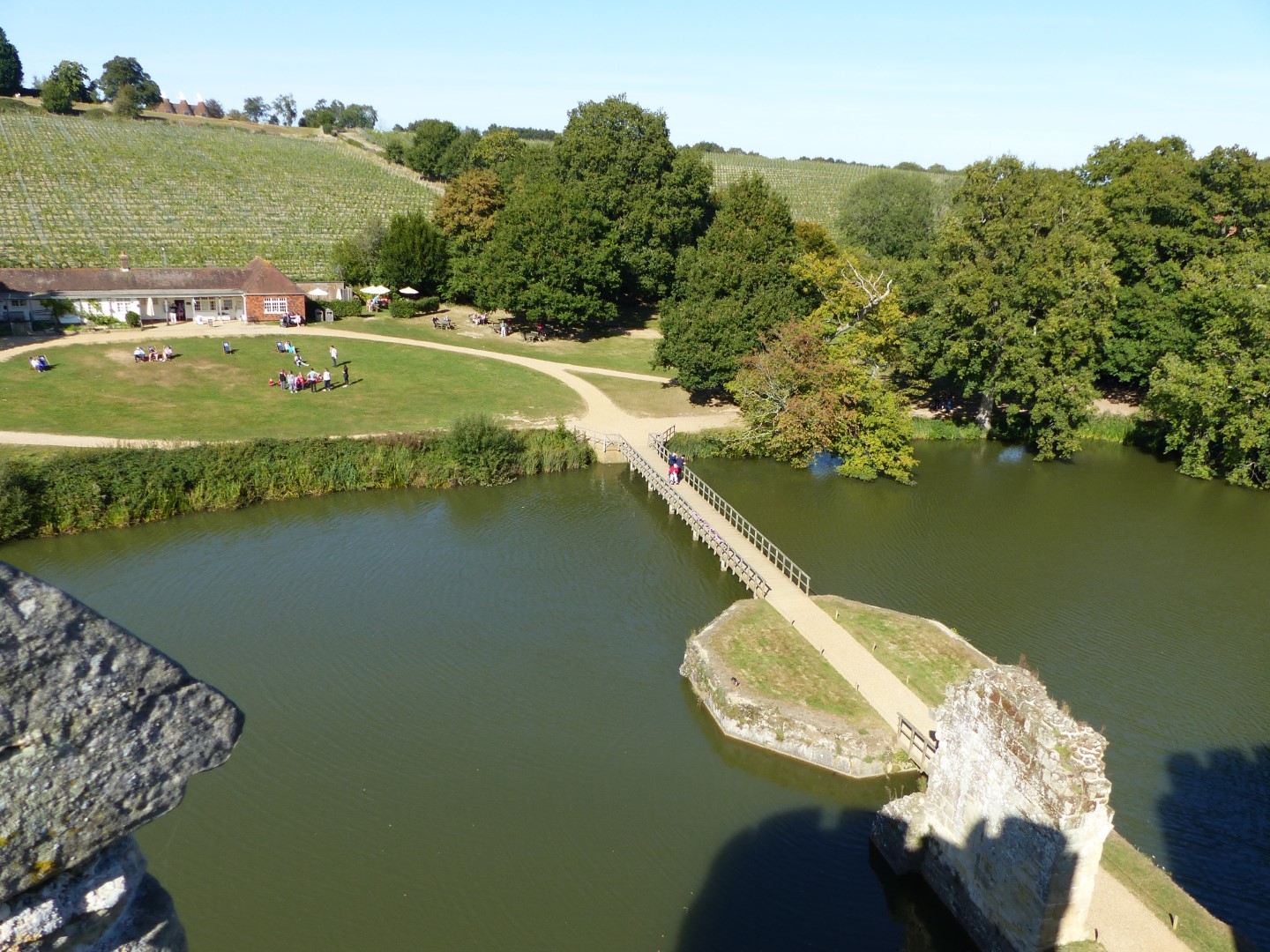
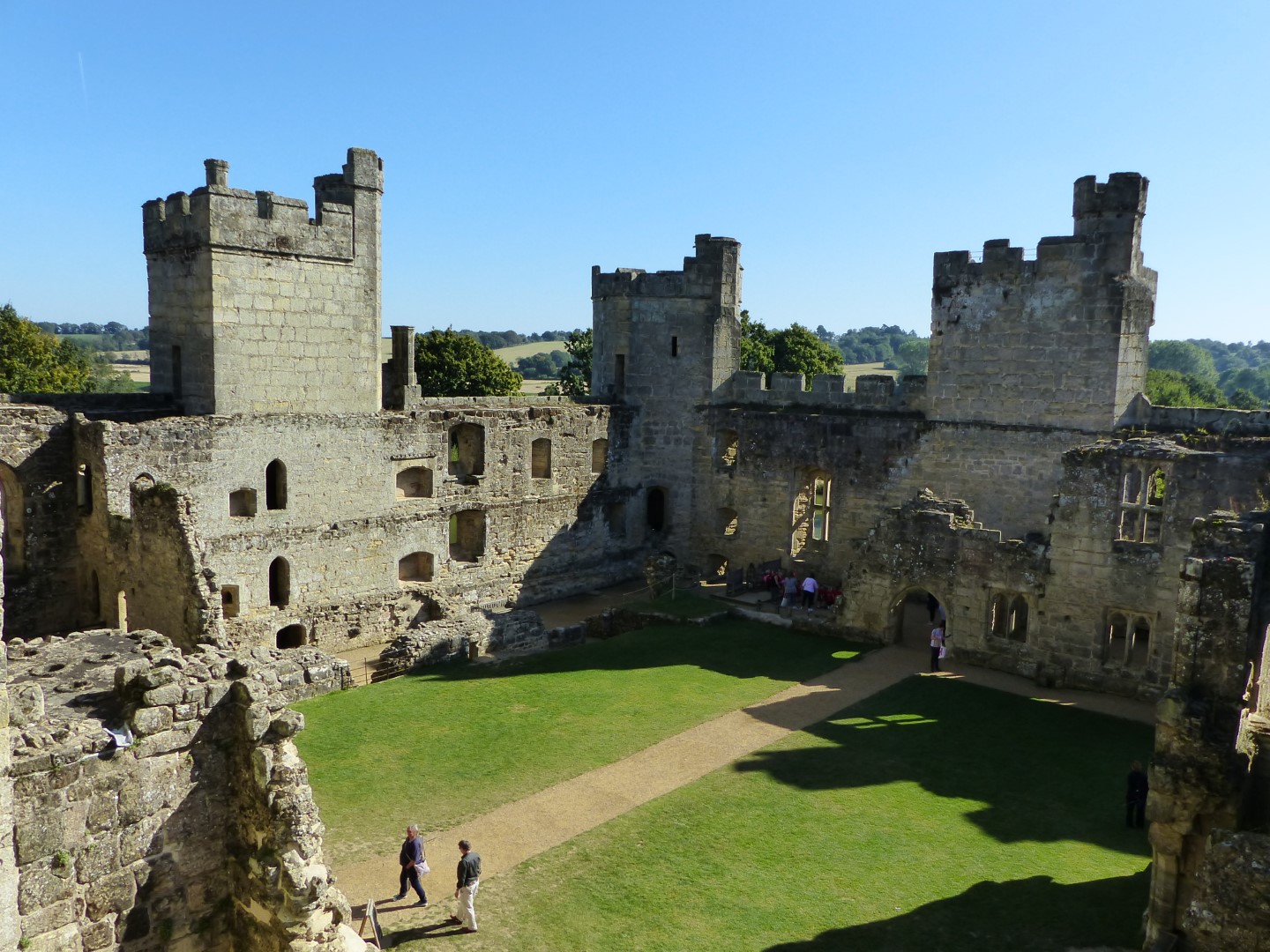
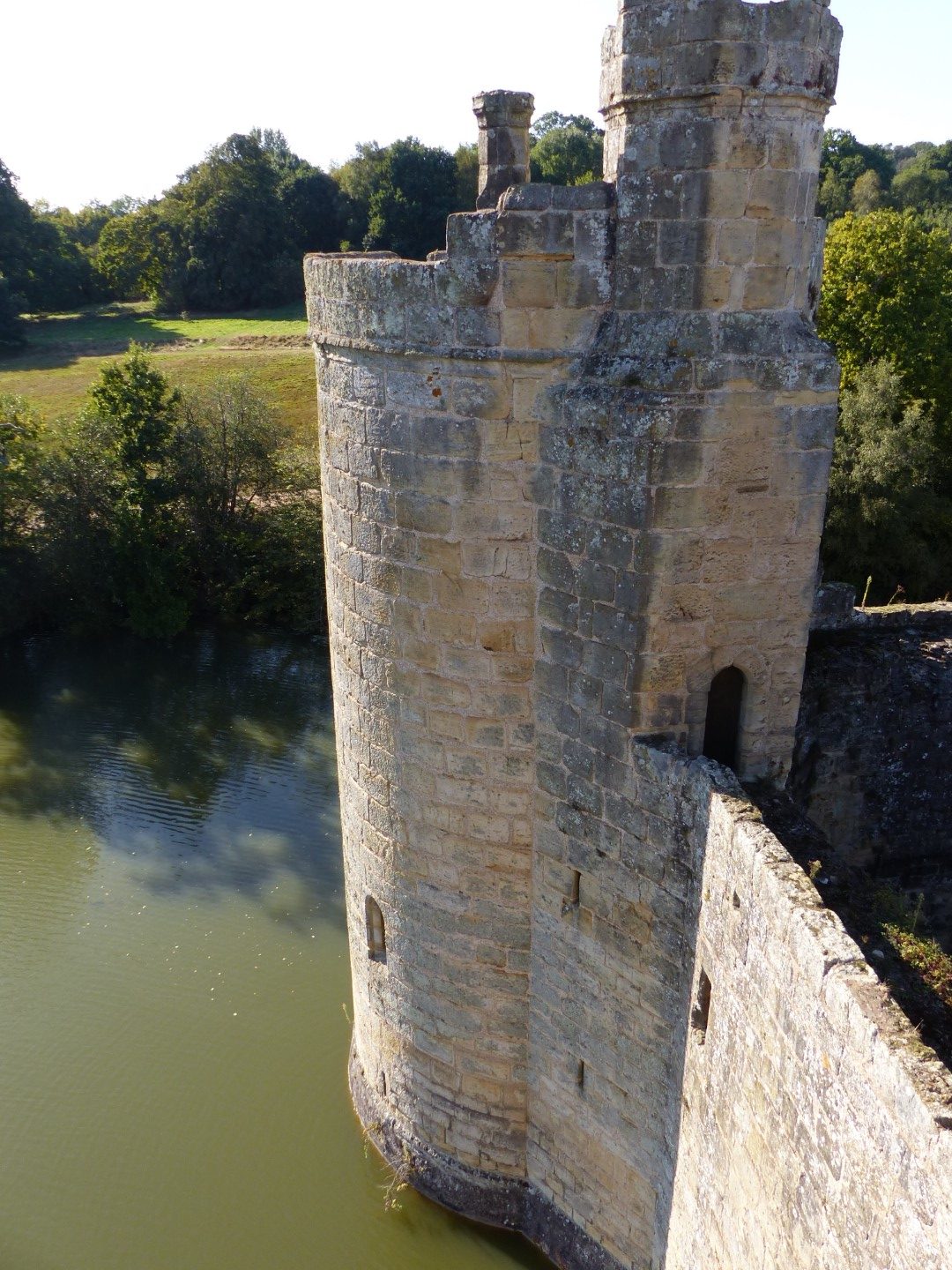
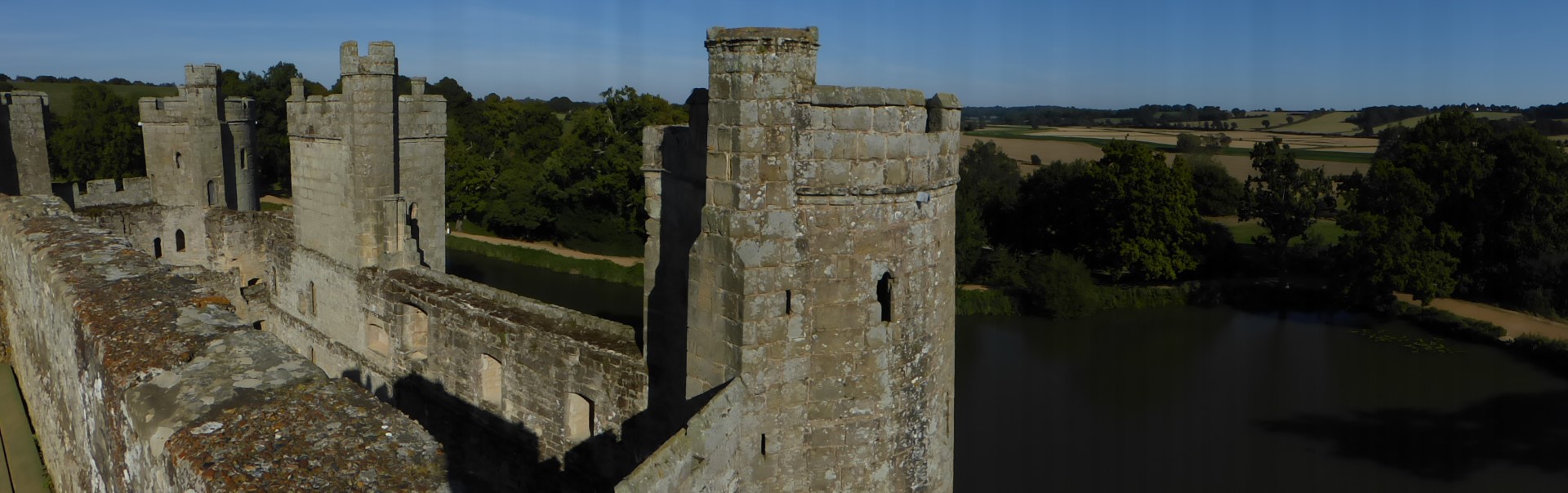
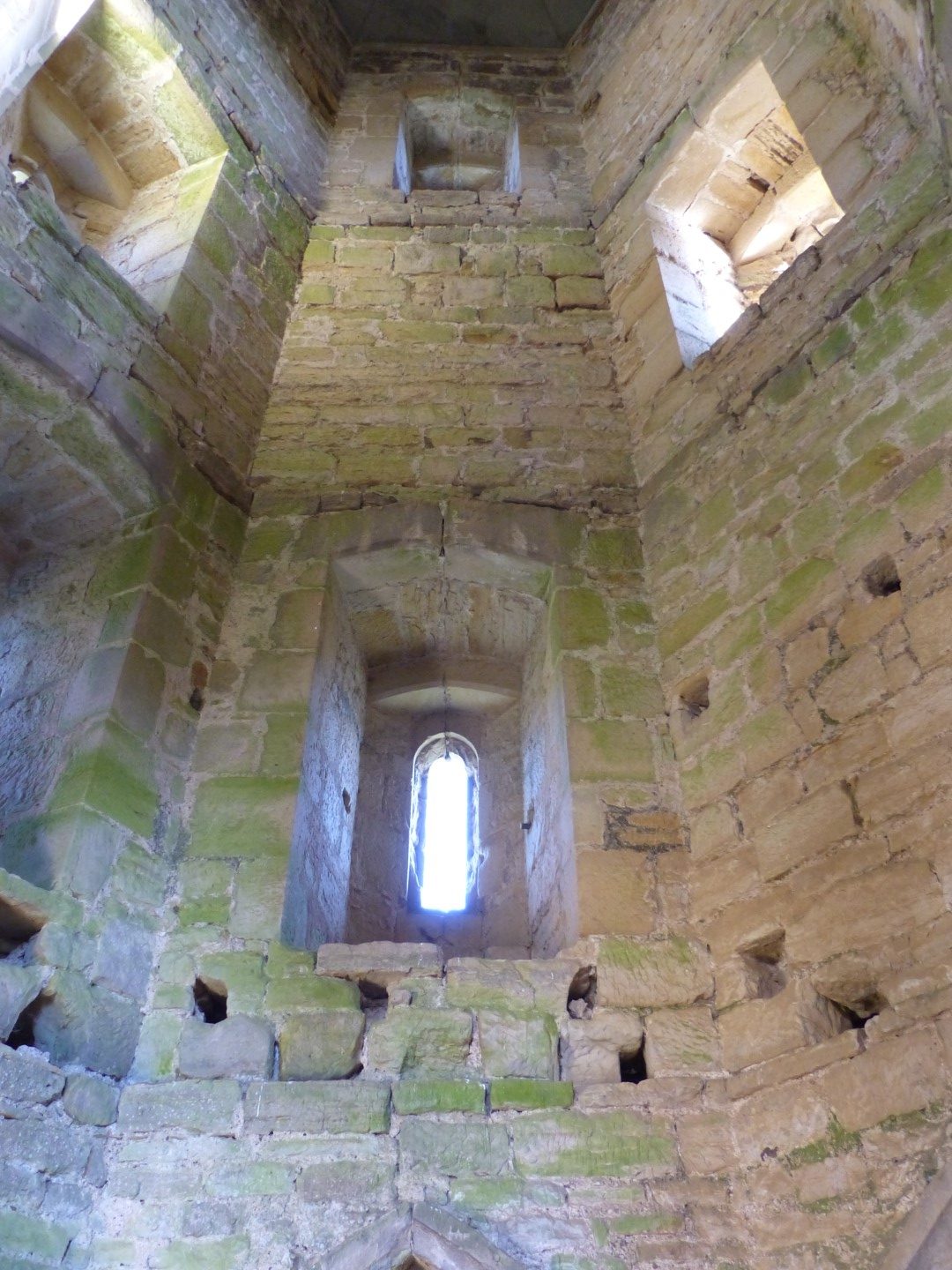
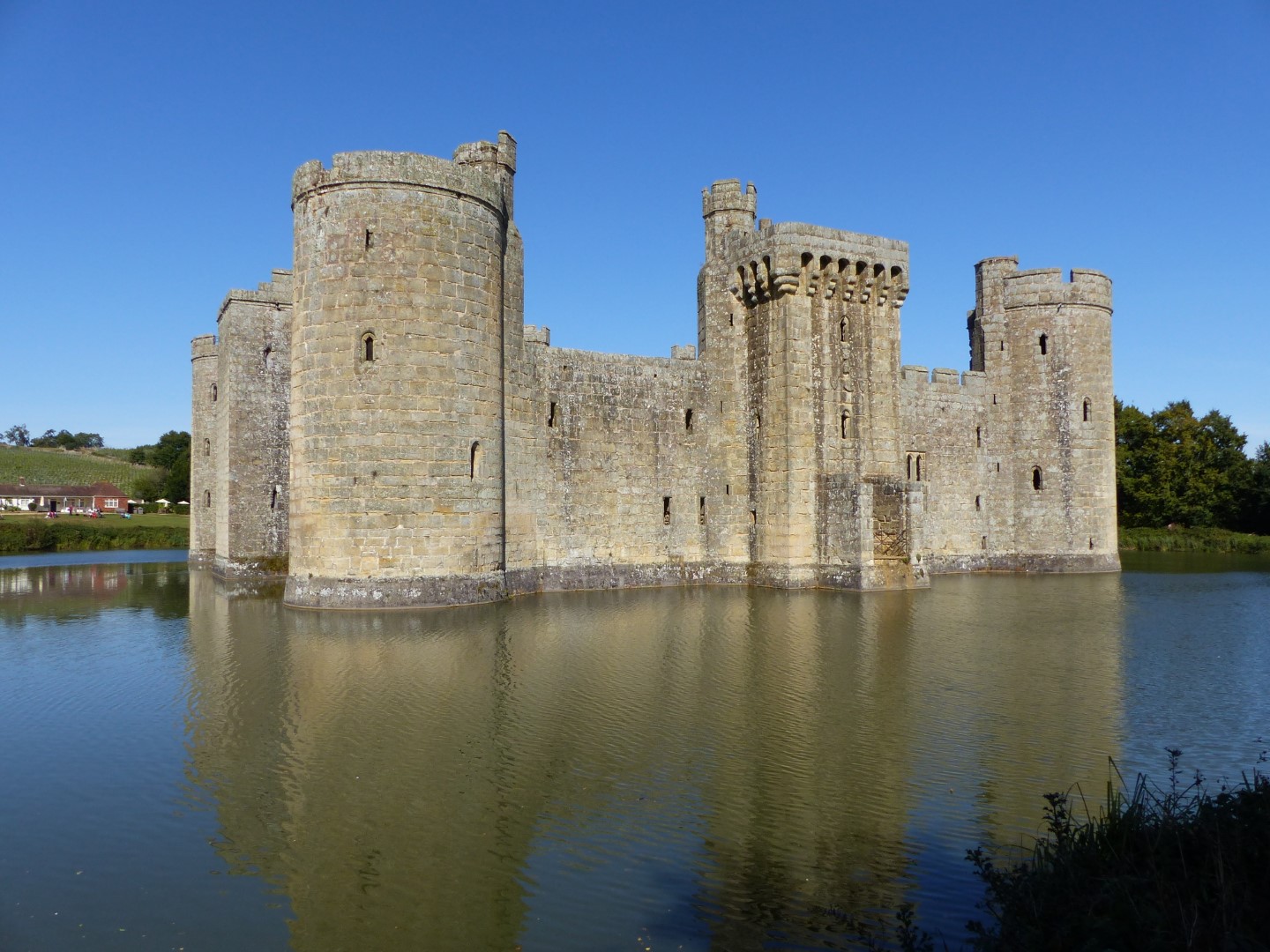
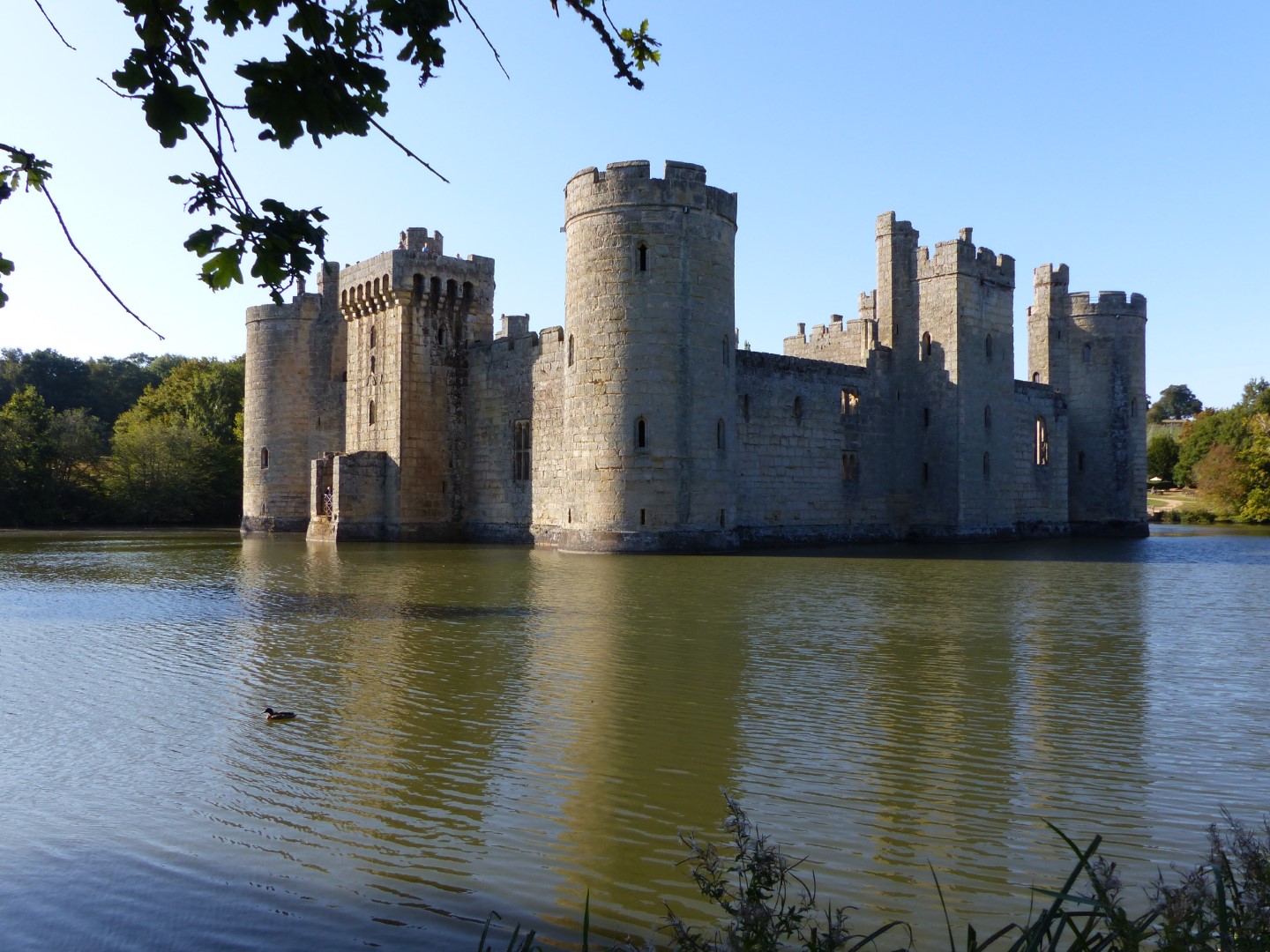
The first day Anne decided to take a ‘down day’ while I went off and explored Bodiam Castle northeast of Hastings. While smaller and less grand than Arundel, it’s still popular as it epitomizes most people’s image of a medieval castle with towers and a moat (actually it sits in the middle of a lake). It was built in the 15th century by a knight who made his money from plunder while fighting in France during the 100 Years War. When his wife inherited the land, they built their ‘dream’ home as we all aspire to do. Unfortunately, it was later ransacked during the English Civil War when a later owner chose the wrong side. While the exterior is pretty much intact, most interior walls are gone revealing many of the doors and fireplaces, giving a good idea of the layout. In fact, I don’t think I’ve ever seen so many ‘toilets’ in a medieval castle!
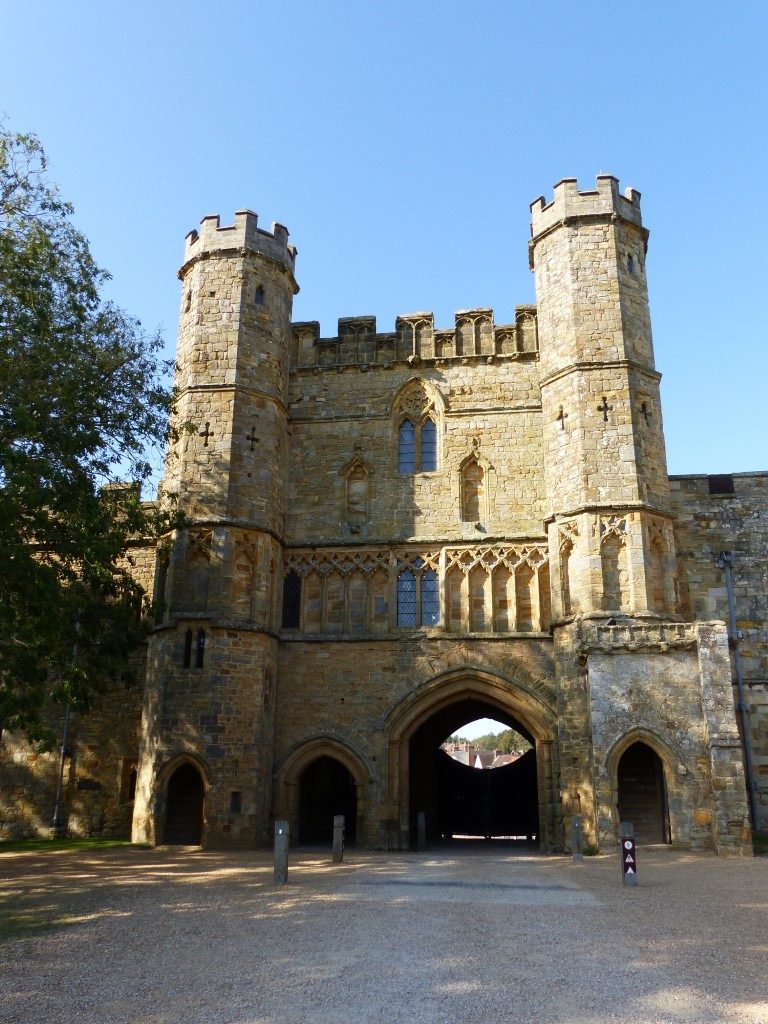
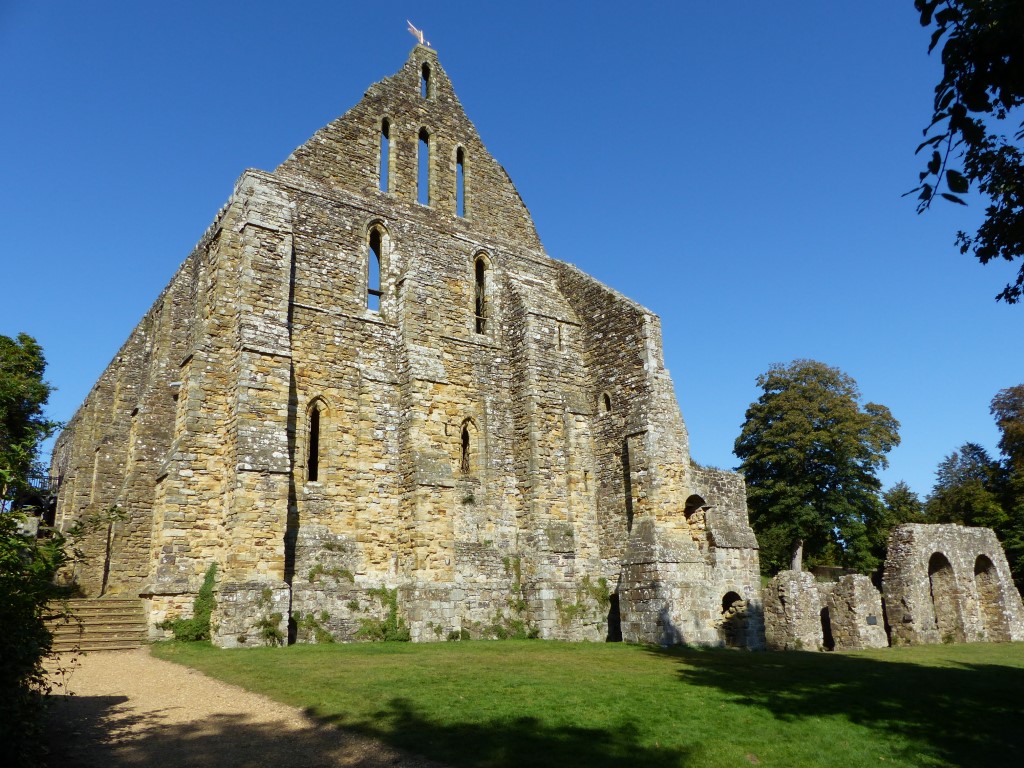
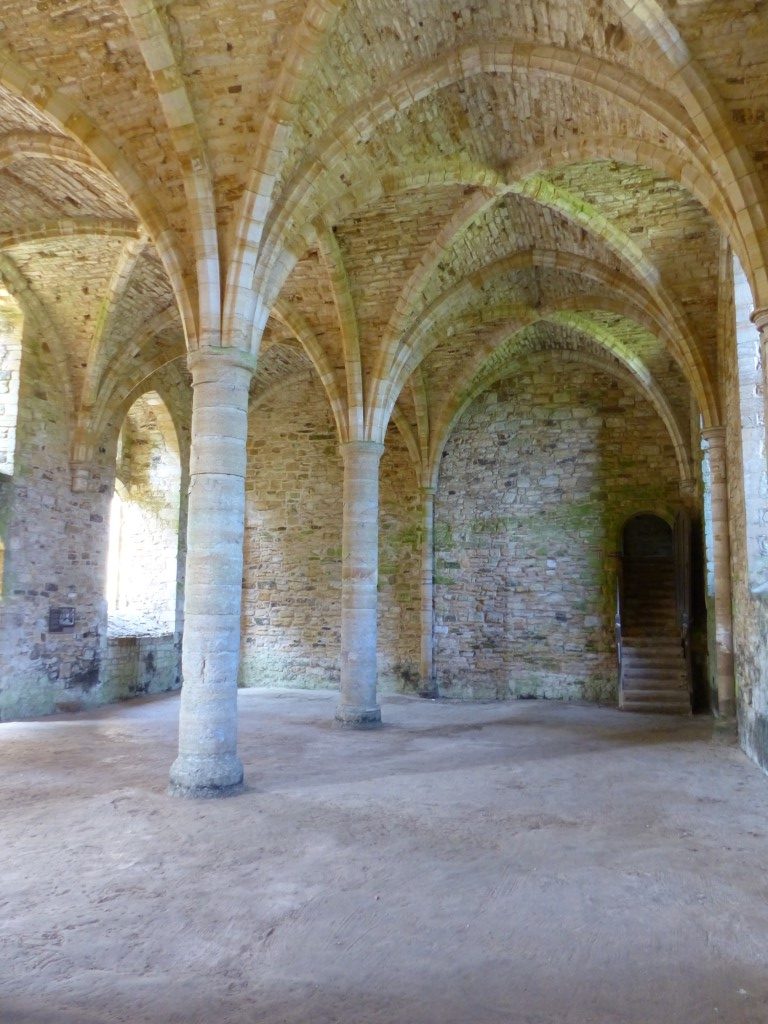
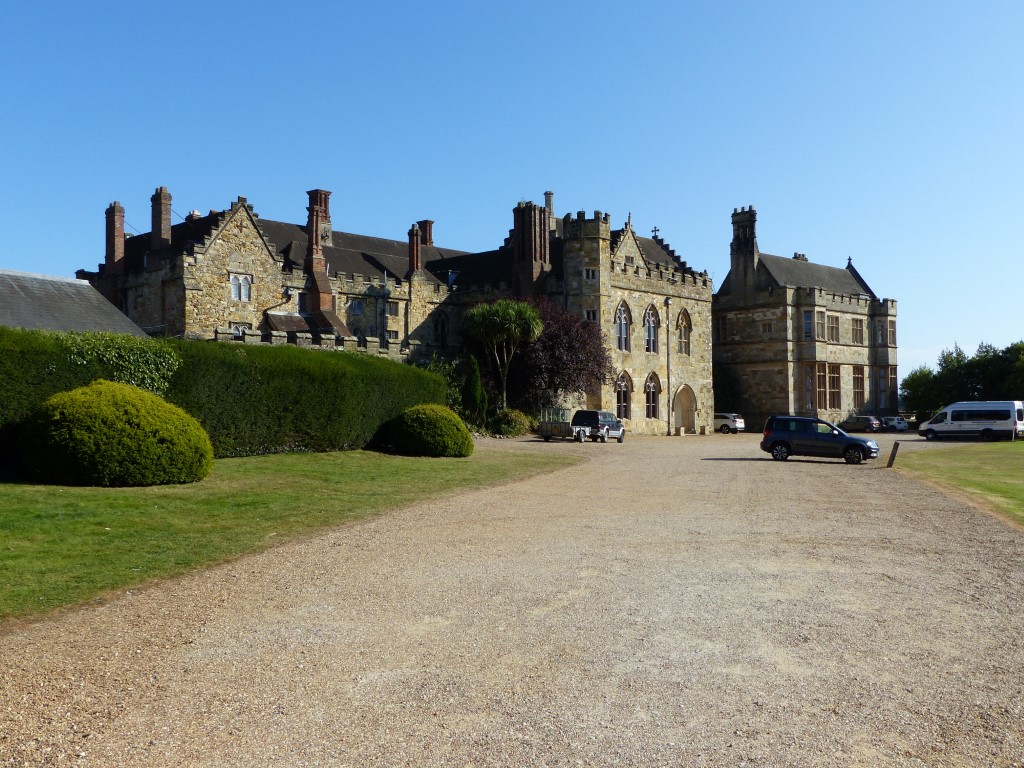
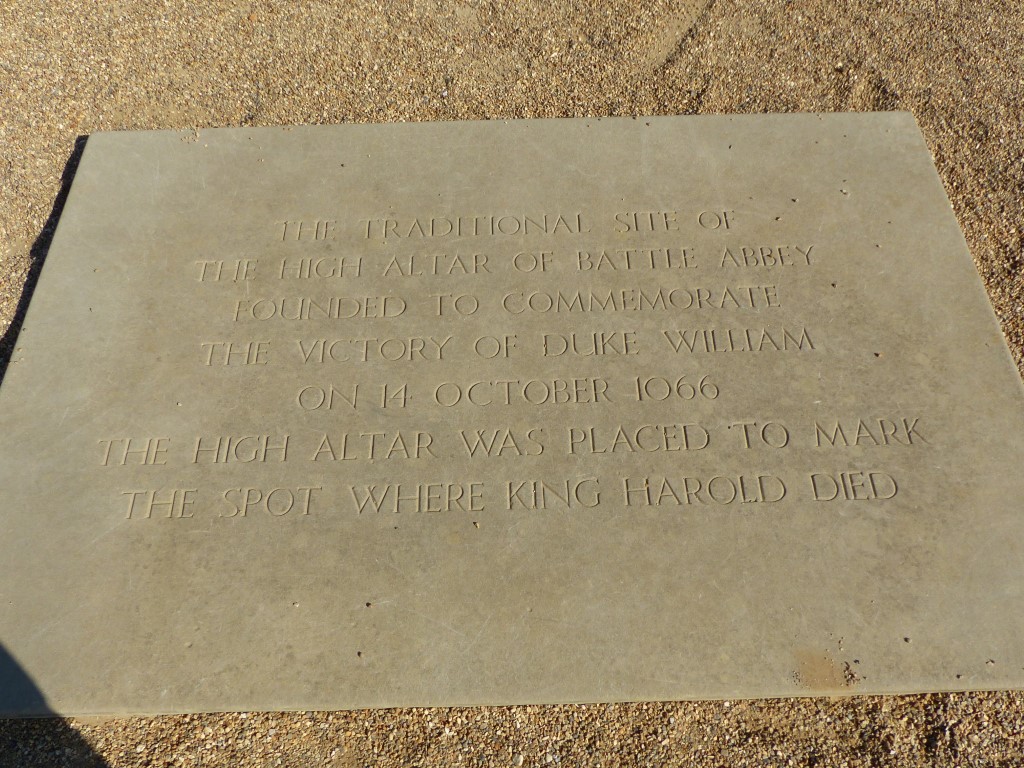
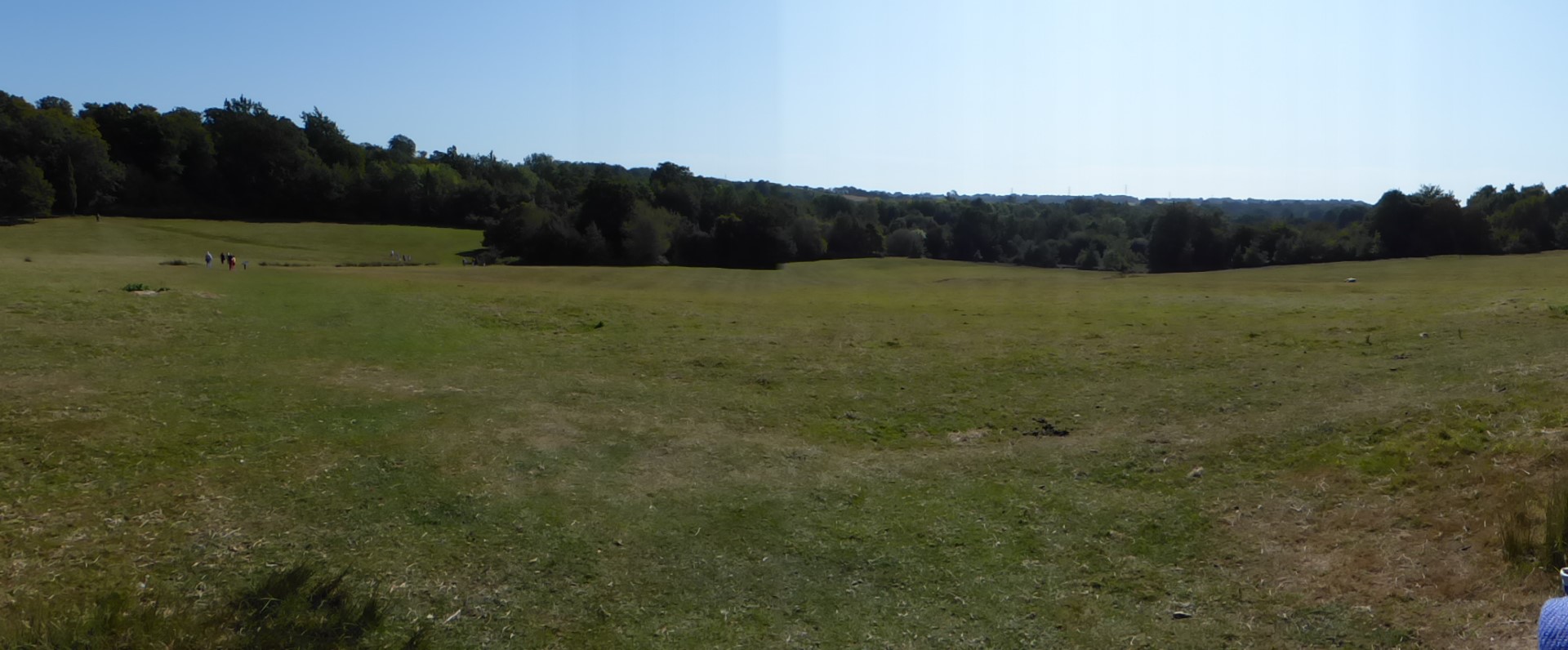
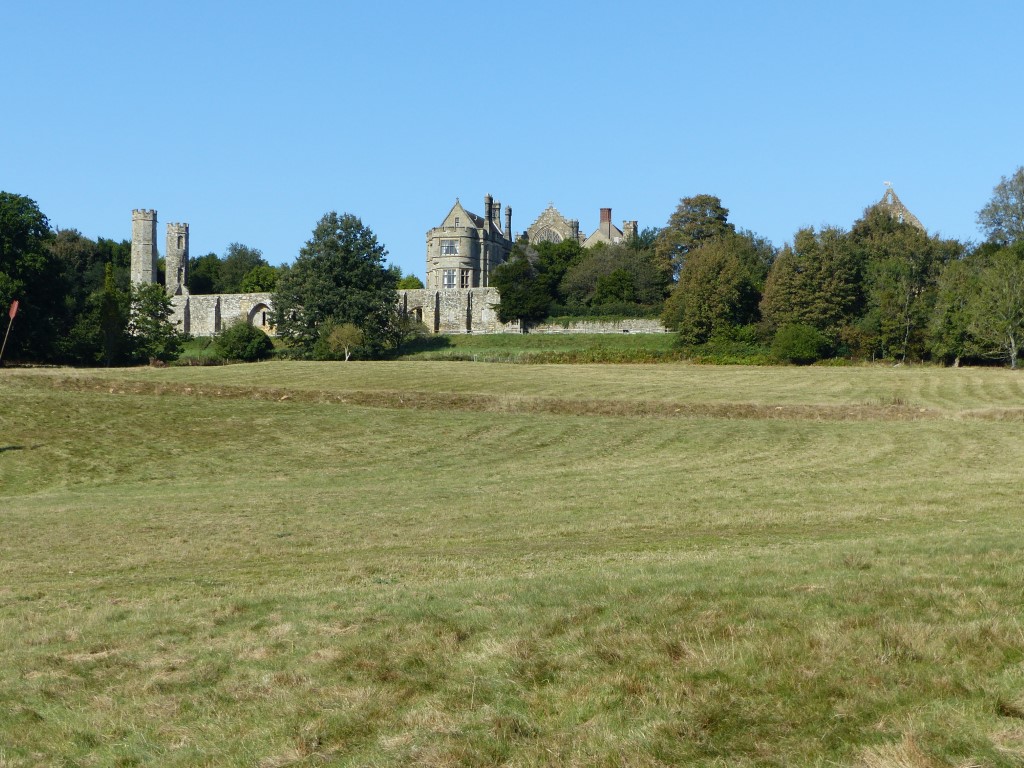
The next day saw us heading to the aptly named village of Battle where the Battle of Hasting in 1066 took place. The battlefield is still a farmer’s field with grazing sheep, but you can walk it with an audio guide and get a real sense of what was going on. William the Conqueror later built a Benedictine Abbey on the hilltop as penance for the slaughter that took place that day. The chapel alter was placed on the spot where King Harold was killed. Unfortunately, the chapel and part of the abbey were destroyed when Henry VIII disbanded the monasteries. Only the Abbot’s lodge survived, first as a later owner’s mansion and now as a private school.
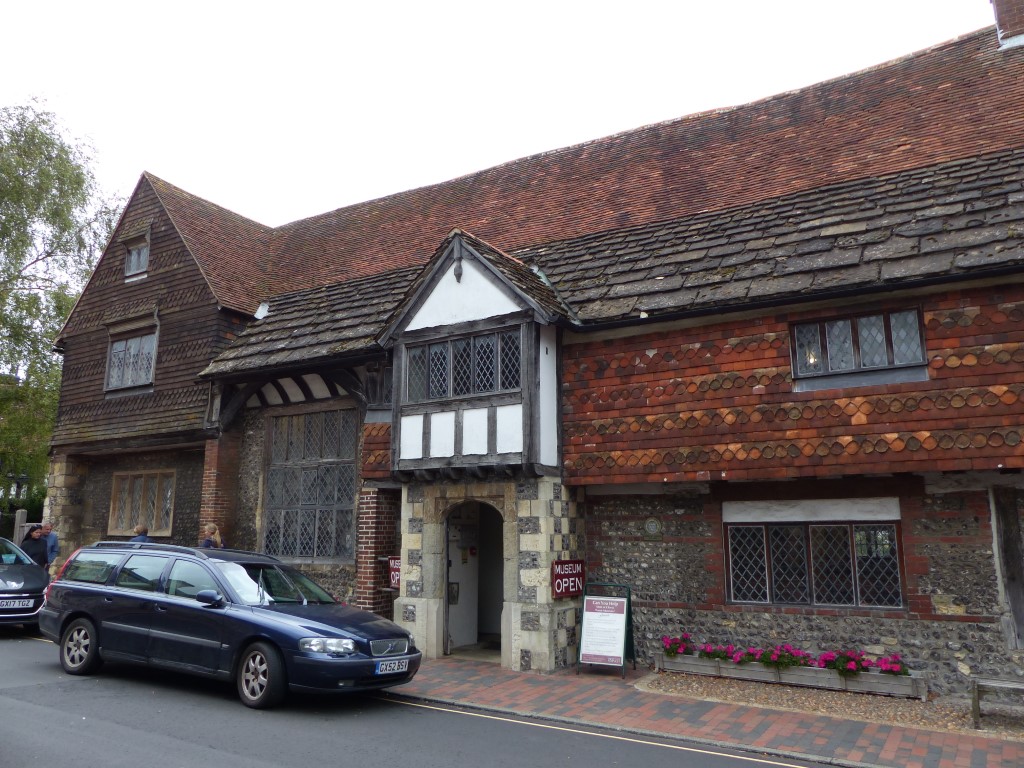
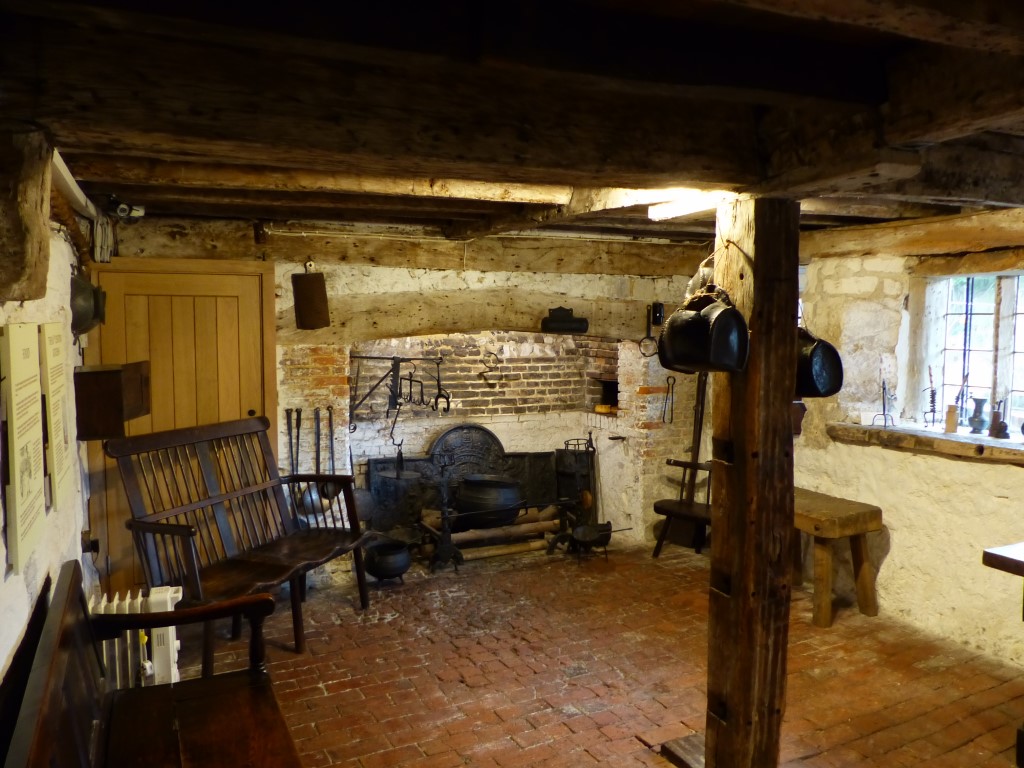
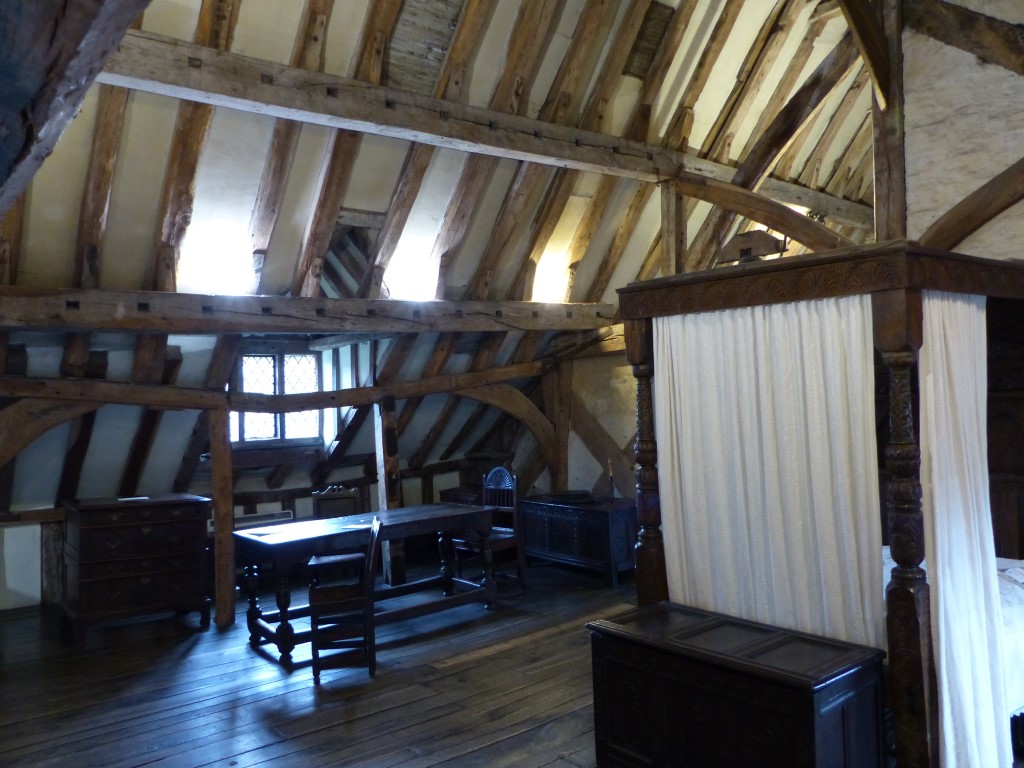
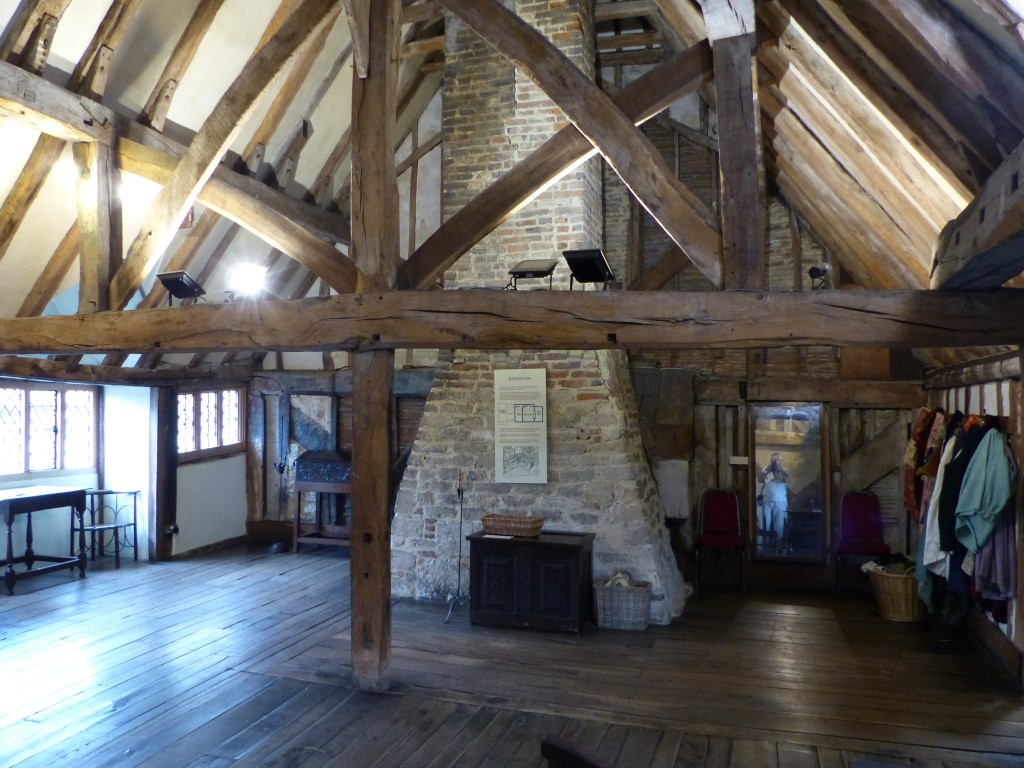
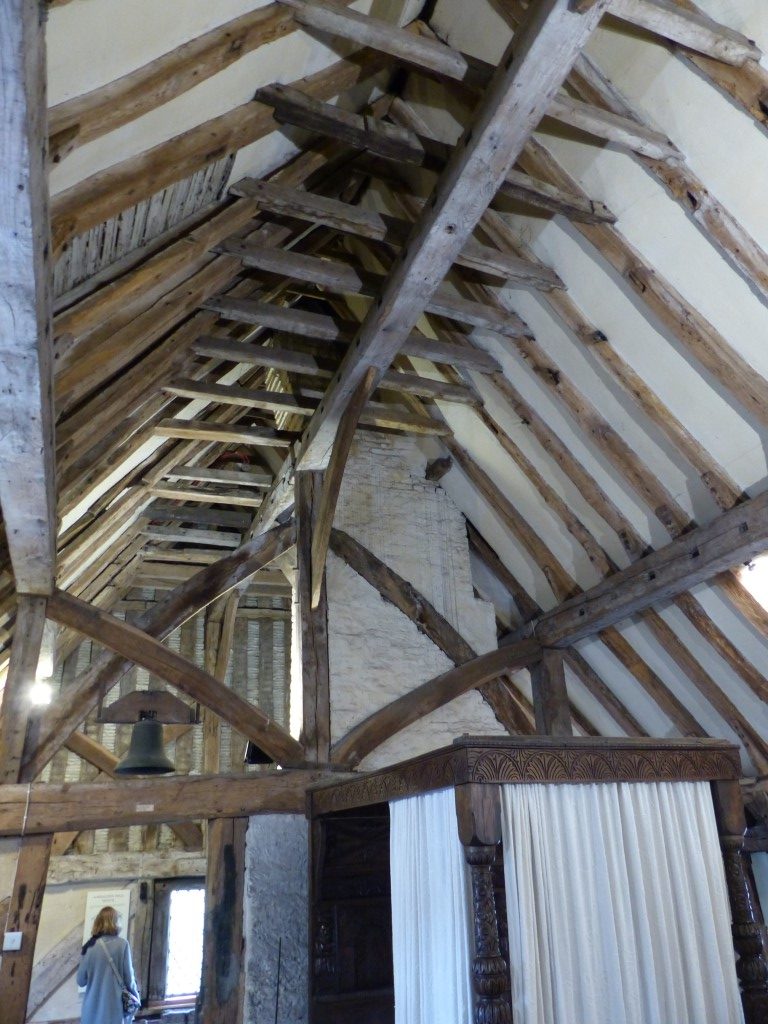
For our final day in England, we headed to the village of Lewes to visit Anne of Cleves house. She was the fourth wife of Henry VIII and probably the smartest of the lot! She was a German ‘princess’ and it was an arranged marriage for political reasons. When Henry first met her he didn’t like her and didn’t want to marry her, but the marriage went ahead anyway. After six unhappy months, she agreed to an annulment (probably saw the handwriting on the wall). However, she didn’t want to go back to Germany, so Henry rewarded her by giving her a palace, a castle or two and several income producing properties including this house. While the house was beneath her, it was considered an upper middle class home of the era and would have provided her with a nice rental income. Interestingly, after learning English and the court etiquette, she was welcome at court and she and Henry became close friends. She later became known as ‘Henry’s sister’! Like I said, smartest of the lot.
Next, off to France!

Great pictures! Love the bed in the dippy cottage.
Love the photos and the little bit of history behind the places! What a great adventure! Wish I was with you.