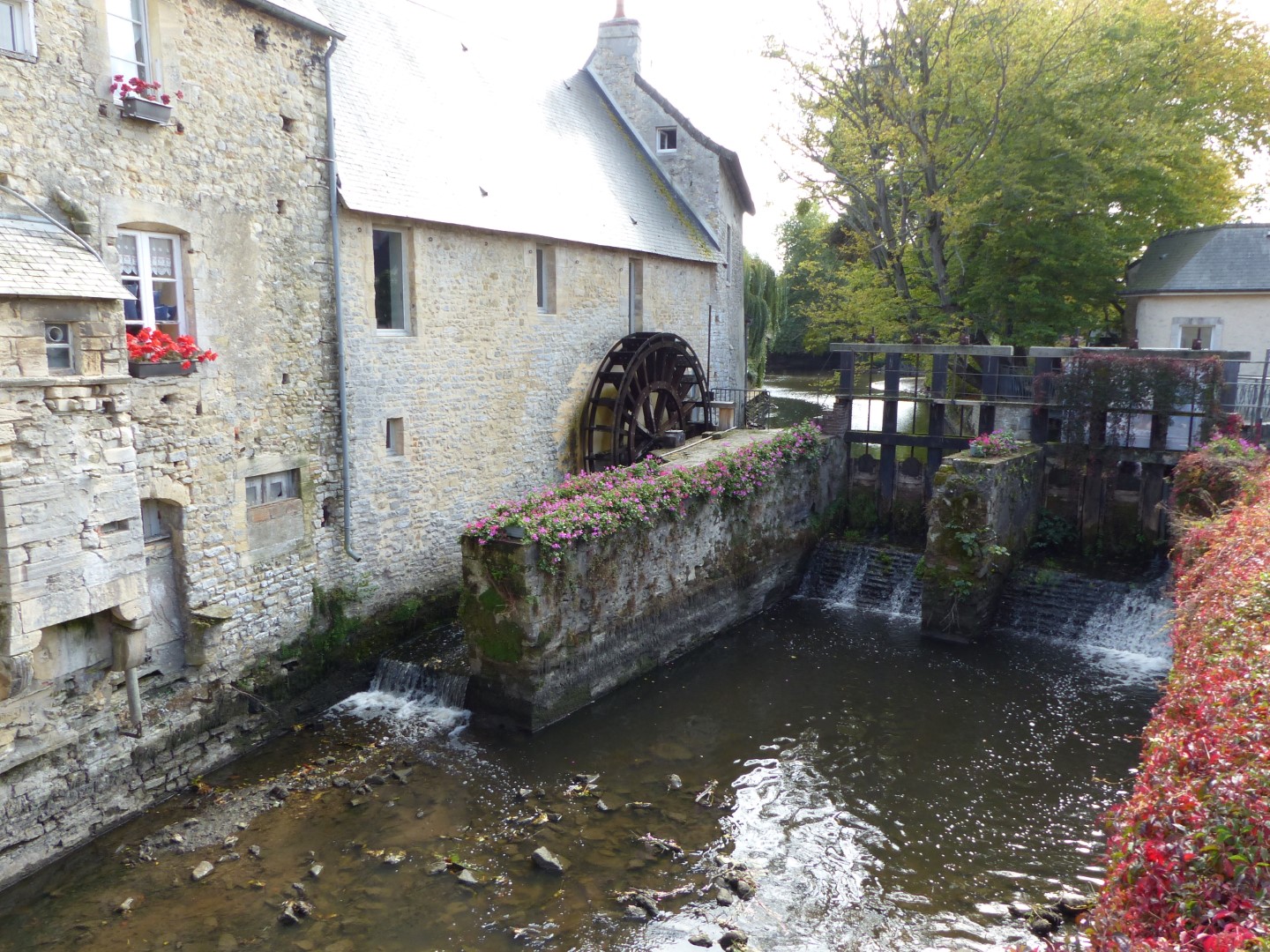
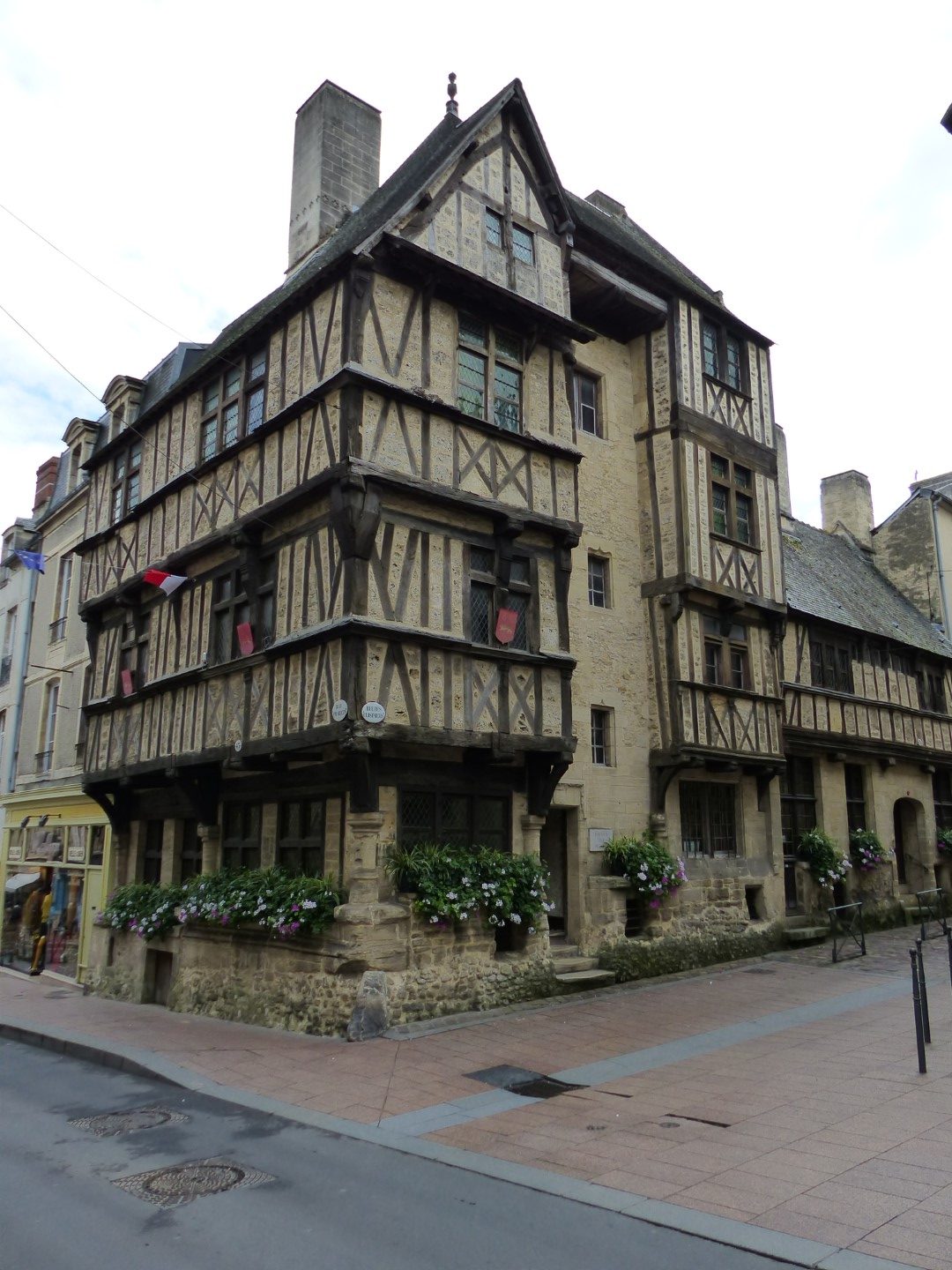
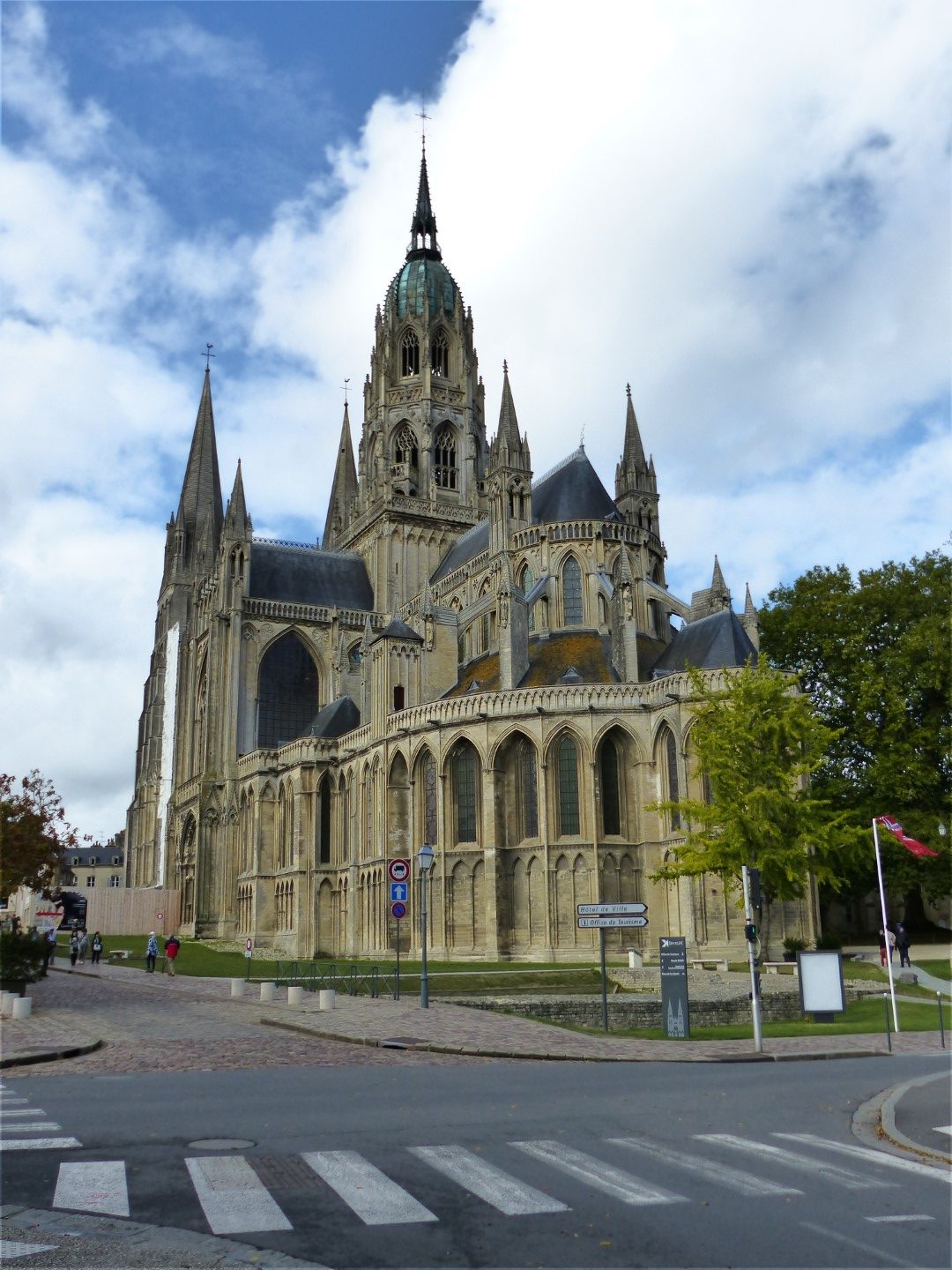
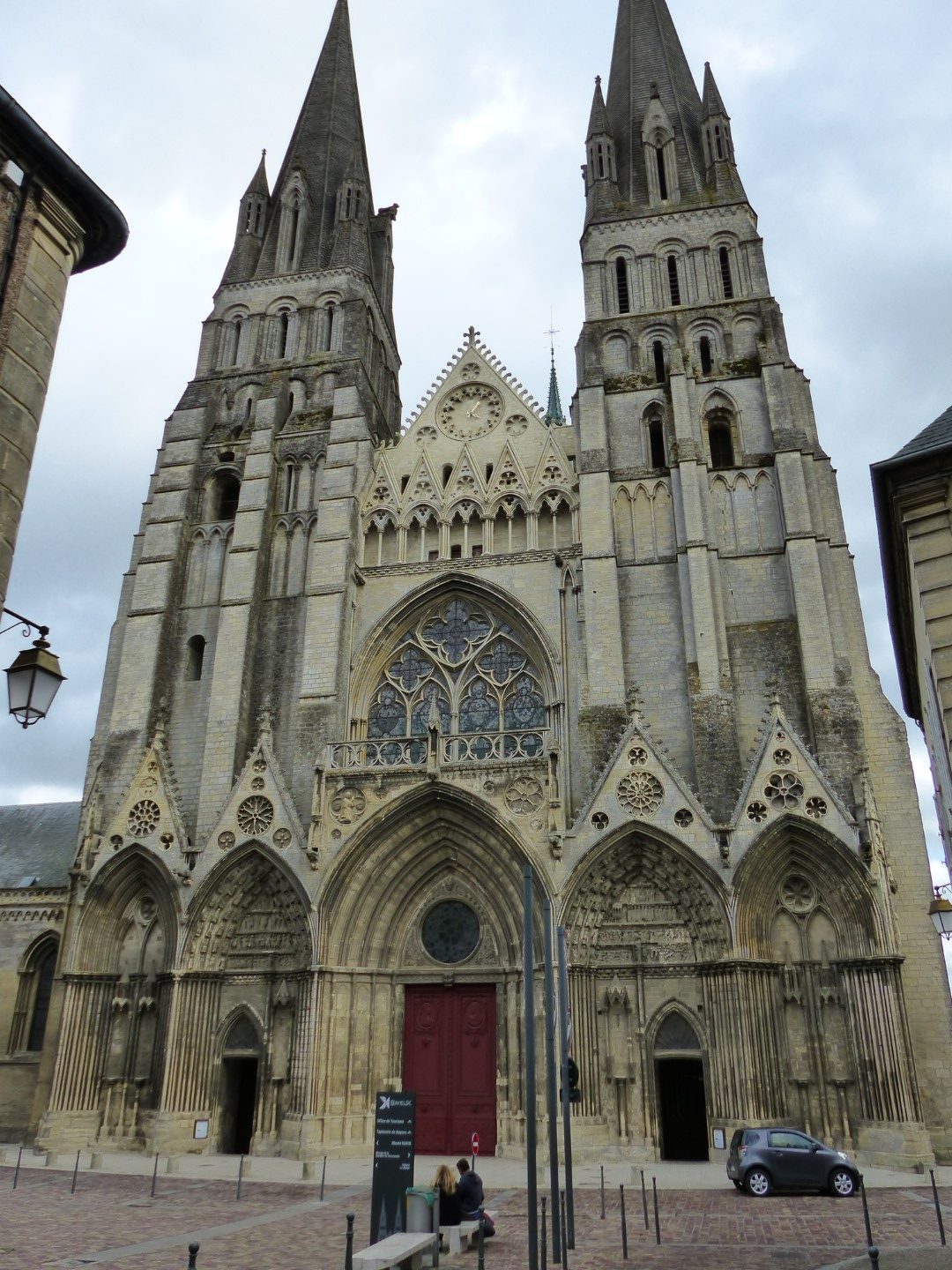
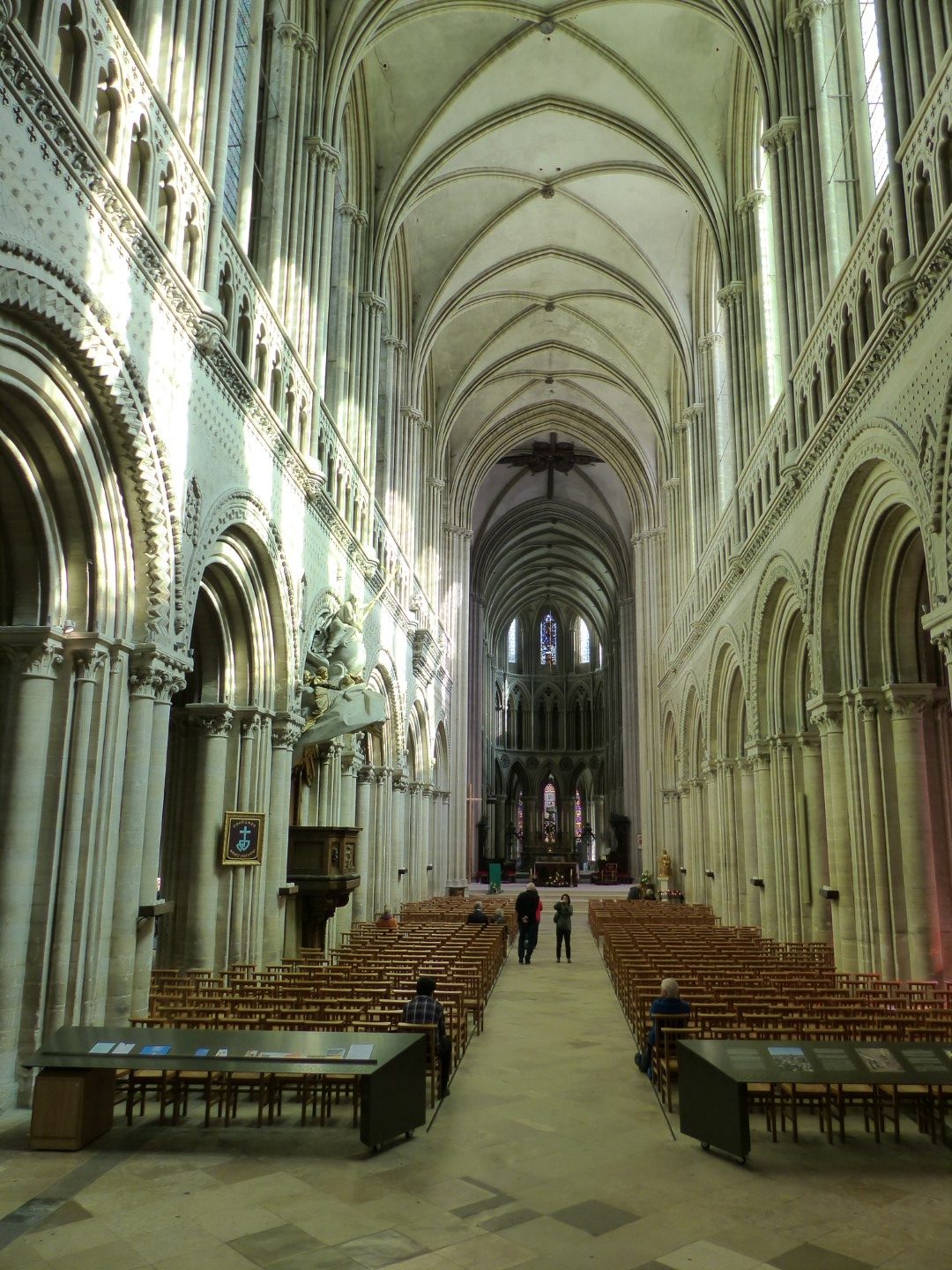
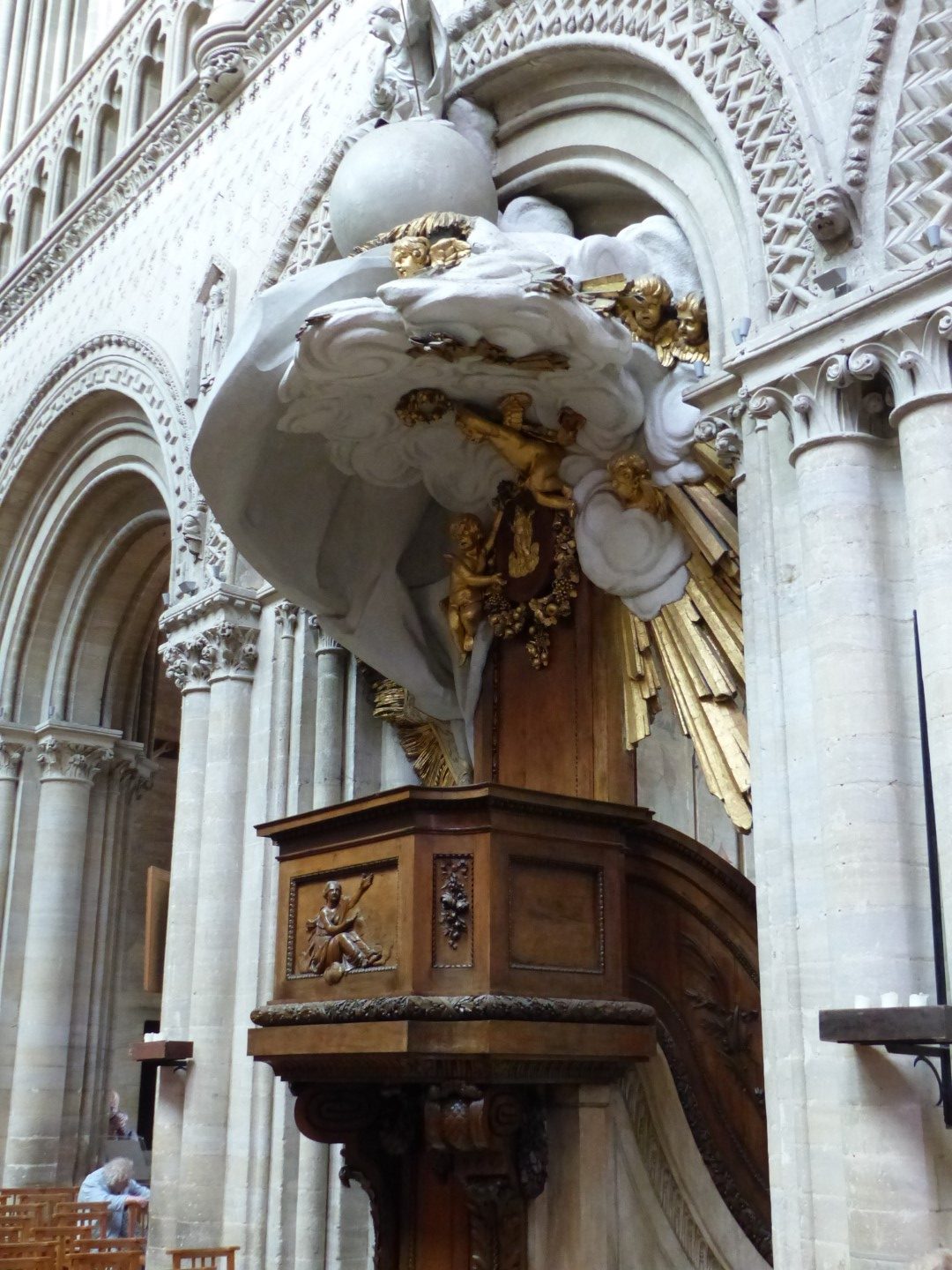
As mentioned in my last post, Normandy has seen history changing events prior to D-Day. The Norman conquest of England in 1066 was launched by William the Conqueror, then Duke of Normandy. The events of that conquest are recorded in the famous Bayeux Tapestry that Anne has referred to. It has its own interesting history and is a must see if near Bayeux. However, having viewed it twice myself, I elected to explore the old center of Bayeux while Anne made a return pilgrimage. Bayeux came through the war relatively unscathed and still has many original buildings including an impressive cathedral that’s not terribly well known. The Bayeux Tapestry hung there for many years before being moved to its current location. (note: That museum is due to be renovated & upgraded in 2020/22 and the tapestry will be on loan to the U.K. where the battle took place.)
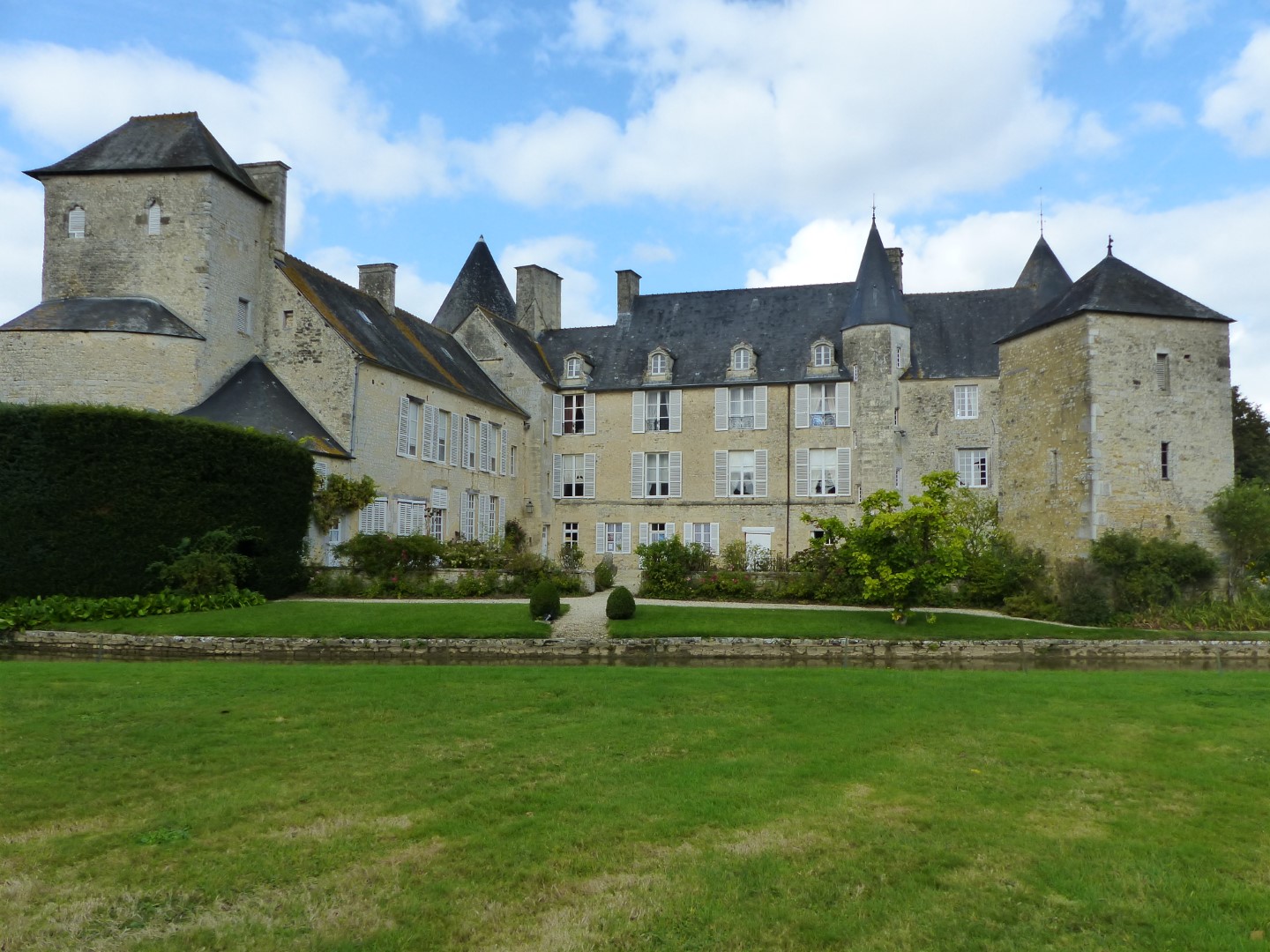
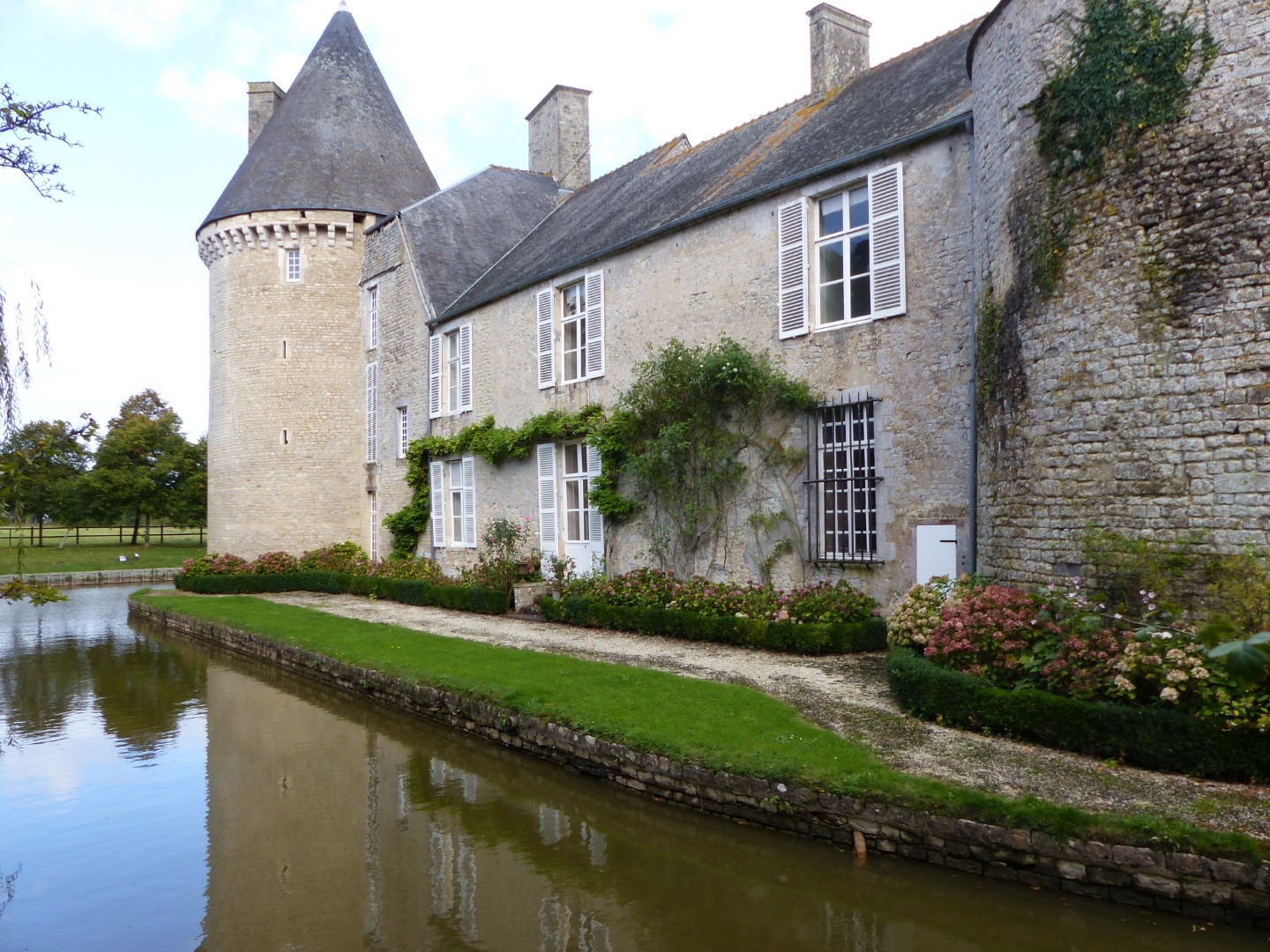
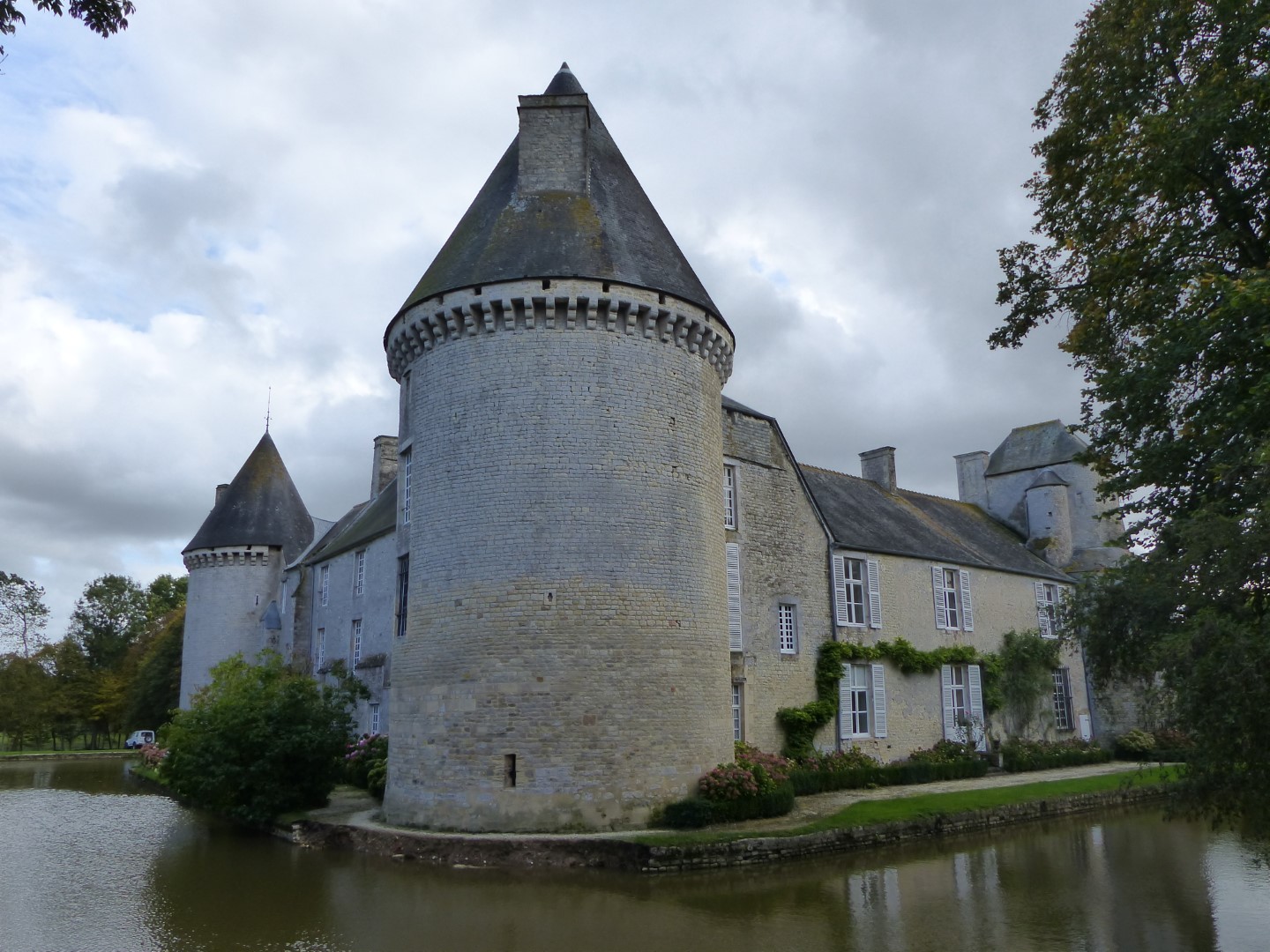
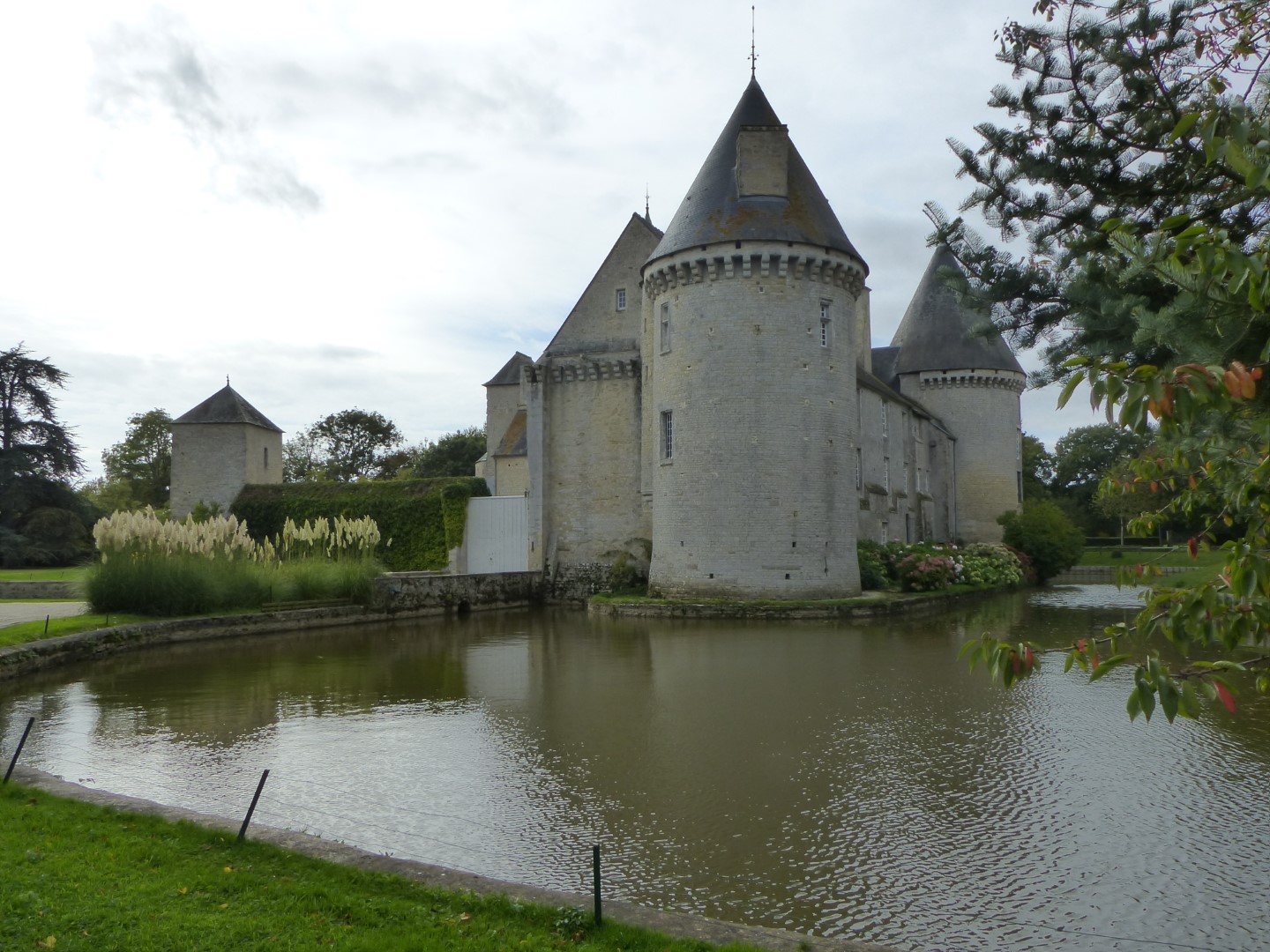
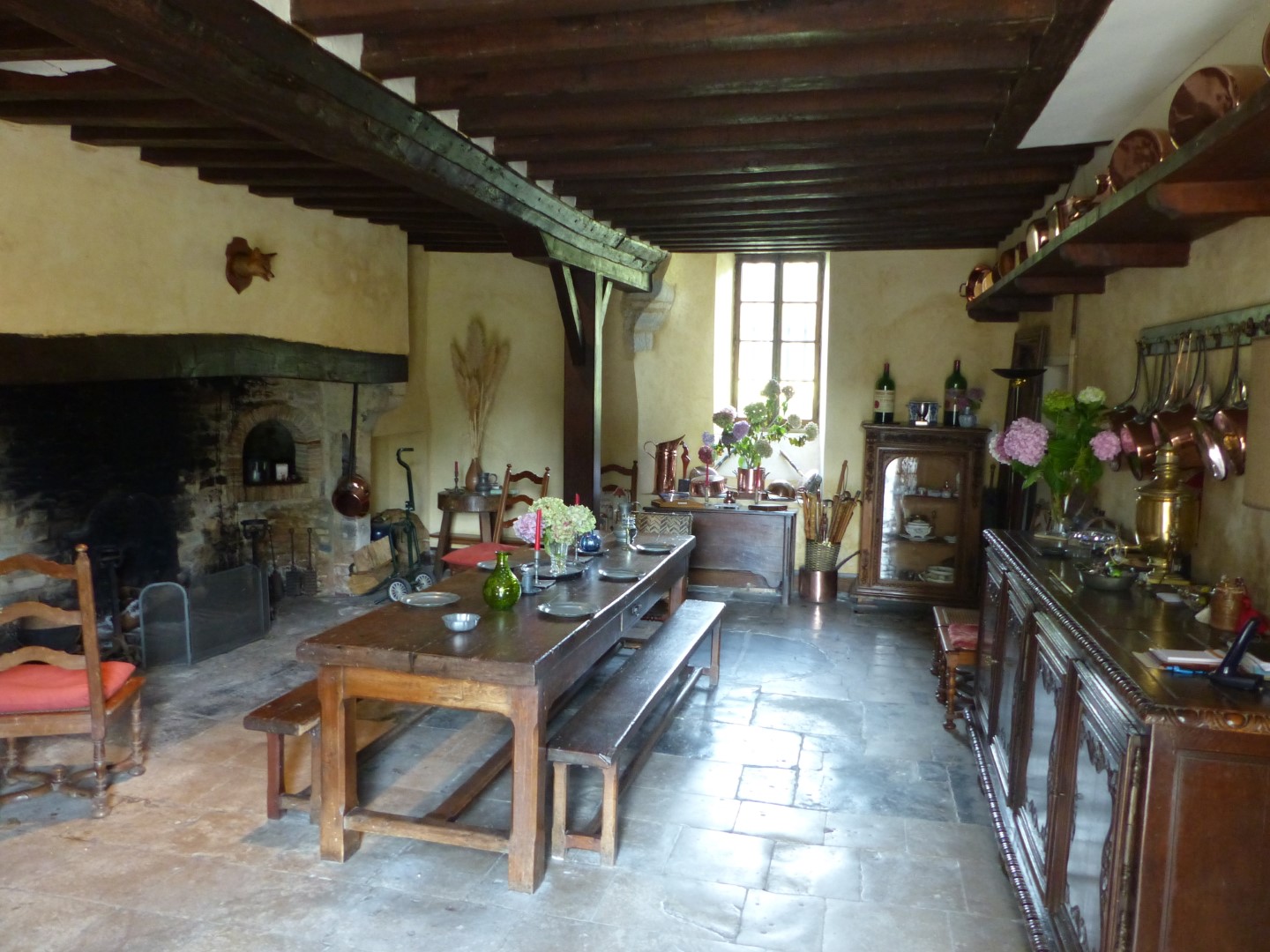
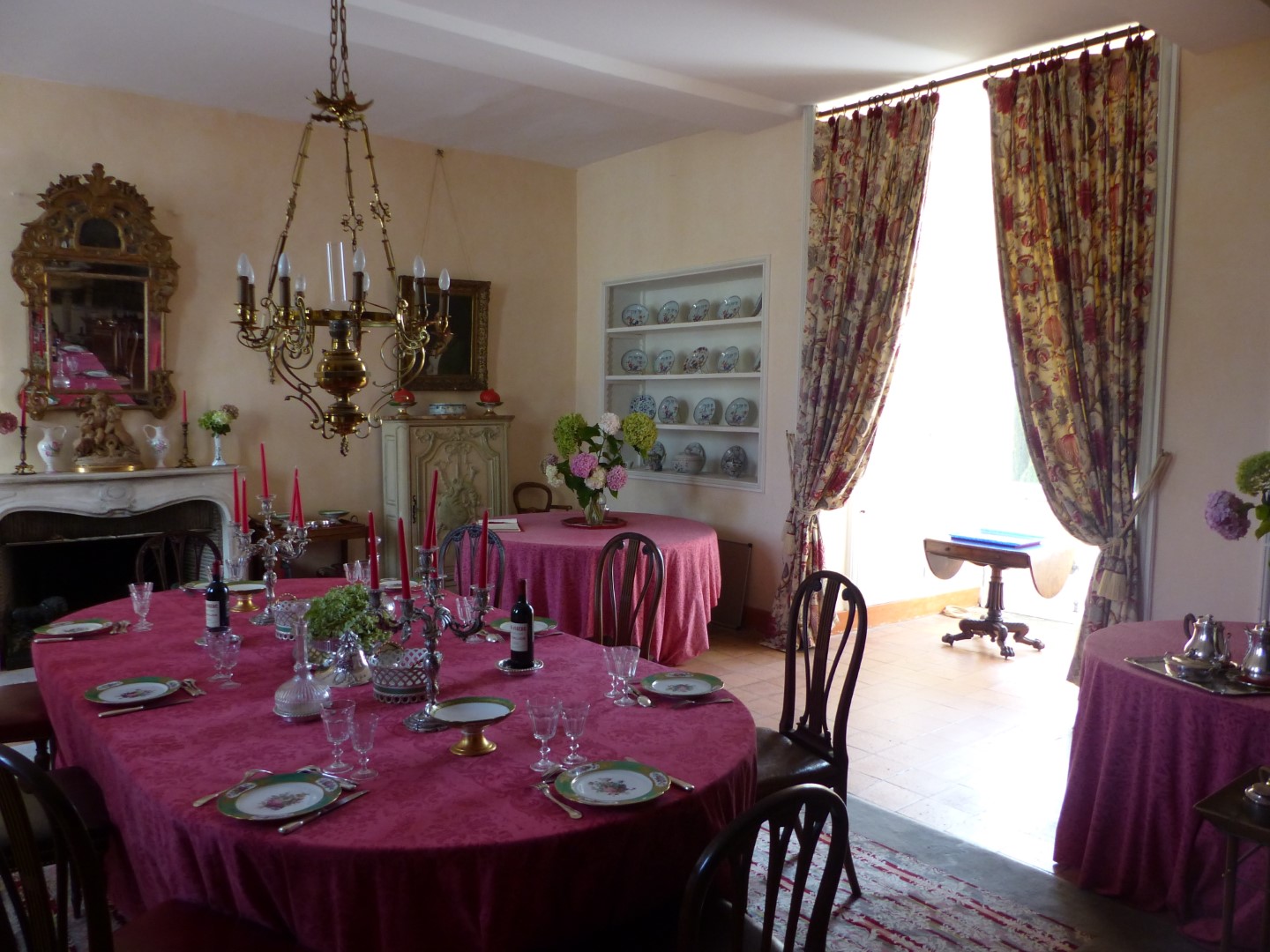
As an example that you don’t have to go far in Europe to find interesting historical places, we decided to go off the beaten path a bit. We heard about a chateau just 5 km from the village where we were staying and set off down some narrow country lanes to find a beautiful medieval chateau, still privately owned and in pristine original condition, in the middle of the countryside. The Chateau de Colombieres was built as a fortress castle as part of a line defending against English invasion during the Hundred Years War and during WWII was used by both the Germans and Allies as a headquarters for its location near the Normandy Beaches. Later removal of one of the walls to open up the courtyard and Renaissance modifications have softened it to the imposing private residence it is today.

Be First to Comment